Premium Professional Laser & IPL Systems
Engineered to clinical standards with active skin cooling and multi-wavelength output for optimized hair removal efficiency.
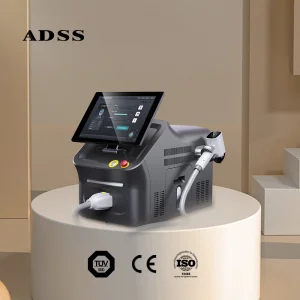
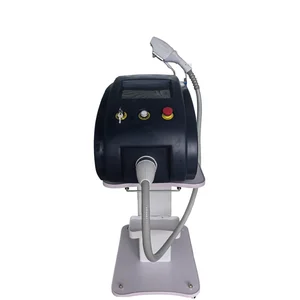
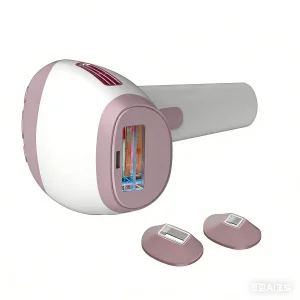
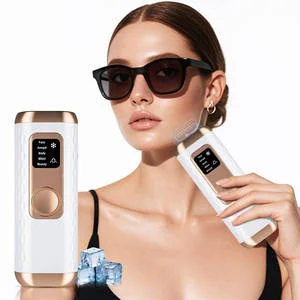
1. Global Salon Laser Market: Industry Scale & Commercial Trends
The global energy-based aesthetic device industry has experienced a paradigm shift over the past decade. No longer confined to high-end medical clinics, clinical hair removal and skin rejuvenation solutions have successfully penetrated standard beauty salons, day spas, and mobile aesthetic operations. Valuation of the global medical aesthetic laser market reached USD 3.2 billion in 2023 and is projected to expand at a compound annual growth rate (CAGR) of 14.5% through 2030.
This explosive growth is powered by two main drivers: the consumer demand for non-invasive, permanent, and pain-free hair reduction and the emergence of cost-effective, high-yield salon-grade technologies. Today's spa operators require equipment that offers both safety and high throughput. This is why CE certification is no longer an optional credential; it has become the standard for business viability and risk mitigation in the European Union, the Middle East, and beyond. As a result, B2B procurement professionals must scrutinize laser specifications, quality-control processes, and regulatory baselines to protect their capital investments.
2. The Regulatory Landscape: Deciphering CE MDD vs. MDR & E-E-A-T
Regulatory compliance is a key indicator of trust and authority (E-E-A-T) when evaluating laser manufacturers. Under European safety directives, aesthetic laser systems fall within strict categories. The transition from the Medical Device Directive (MDD 93/42/EEC) to the Medical Device Regulation (MDR 2017/745) has raised the bar for clinical data verification, trace-level safety reporting, and manufacturing audits.
Compliance with EN 60601-1 and EN 60601-2-22 standards ensures the machine prevents high-voltage incidents and uncontrolled optical emissions.
EN 60601-1-2 validation verifies that the laser device will not disrupt other medical or communication infrastructure inside the salon environment.
Requires manufacturer verification of actual skin-cooling safety and energy density consistency through rigorous human clinical studies.
Shenzhen Xtrim Beauty Co., Ltd. builds all professional systems with strict adherence to CE, FCC, and RoHS standards. This level of regulatory compliance ensures that salon owners are protected against insurance liability claims and local regulatory investigations, which are common when operating uncertified imported equipment.
3. Diode Laser, Alexandrite, Nd:YAG, and IPL: Technology Roadmap
To choose the right equipment, it helps to understand how light wavelengths interact with biological structures. Melanin in the hair follicle shaft absorbs optical energy, converting it to heat. This heat denatures the surrounding dermal papilla cells to stop future hair growth. Below is a comparative guide to the principal technological pathways:
| Technology Type | Dominant Wavelengths | Primary Target Chromophore | Best Fitzpatrick Skin Types | Key Commercial Advantage |
|---|---|---|---|---|
| Alexandrite Laser | 755nm | High Melanin Absorption | Fitzpatrick I - III (Fair Skin) | Highly effective for fine, lightly pigmented hair. Fast coverage. |
| Diode Laser | 808nm / 810nm | Moderate Melanin / Deep Dermal Penetration | Fitzpatrick I - VI (All Skin Types) | Golden standard for balanced safety, high speed, and comfort. |
| Nd:YAG Laser | 1064nm | Low Melanin / High Hemoglobin Absorption | Fitzpatrick V - VI (Deeply Pigmented Skin) | Safest option for dark skin. Minimizes epidermal burn risks. |
| IPL / DPL | 500nm - 1200nm (Broadband) | Melanin, Hemoglobin, and Water | Fitzpatrick I - IV | Versatile system that supports hair removal and skin rejuvenation. |
Many modern systems combine multiple wavelengths into a single handpiece (e.g., 755nm + 808nm + 1064nm). This configuration allows operators to treat different hair depths and skin phototypes simultaneously, maximizing target coverage in every session.
4. Localized Application Scenarios & Operational Math
Integrating salon-grade laser technology is an investment in revenue growth. To understand the financial impact, consider these operational application scenarios:
These operations require high-power diode platforms that can run continuously. Integrated sapphire contact cooling maintains tip temperatures below 4°C, permitting back-to-back client bookings without thermal shutdown.
Clinics benefit from combined IPL and RF systems. These versatile devices address multiple concerns—including active acne, spider veins, age spots, and hair removal—using a single platform.
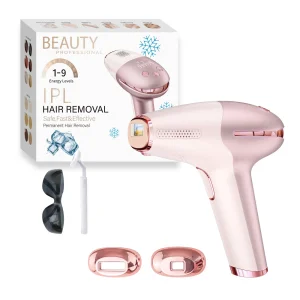
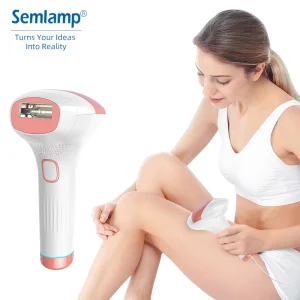
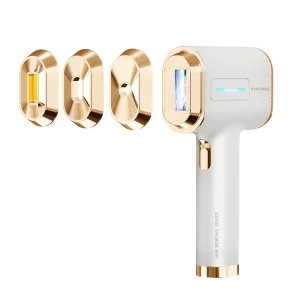
Compact, battery-powered, or wire-free IPL units extend the salon experience directly to the consumer. This design allows operators to offer premium retail options and remote post-treatment support.
The ROI Formula: A standard diode laser hair removal system can process up to 3 clients per hour for small zone treatments. At an average treatment cost of USD 80 per session, operating 6 hours daily can generate up to USD 1,440 in daily revenue. With a reliable, CE-certified machine designed for high pulse longevity (typically up to 20–40 million shots), equipment acquisition costs are amortized quickly, leading to net profitability within the first three to six months.
State-of-the-Art Manufacturing & Quality Control Facilities
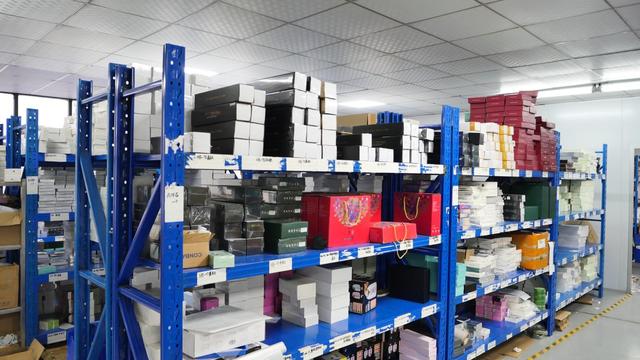
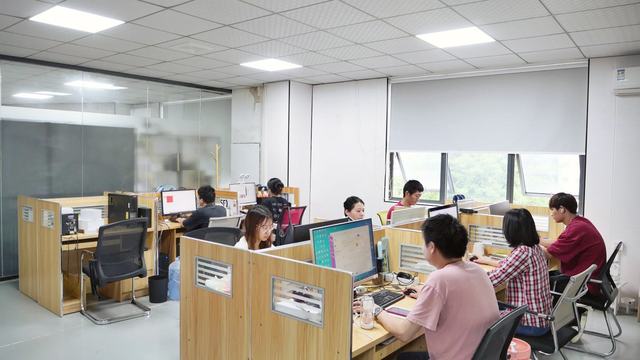
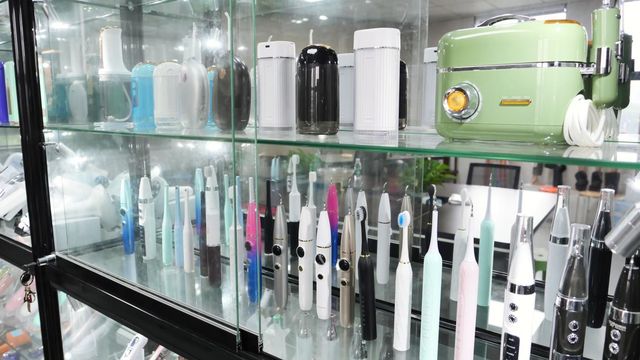
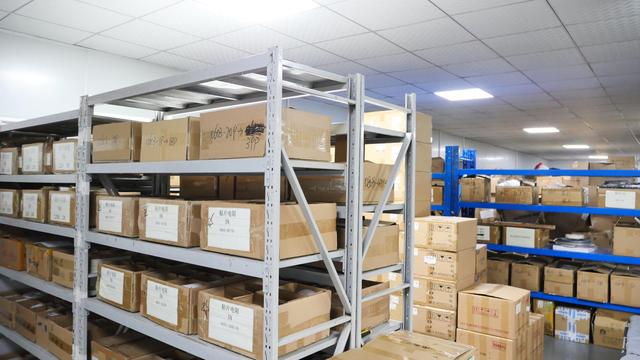
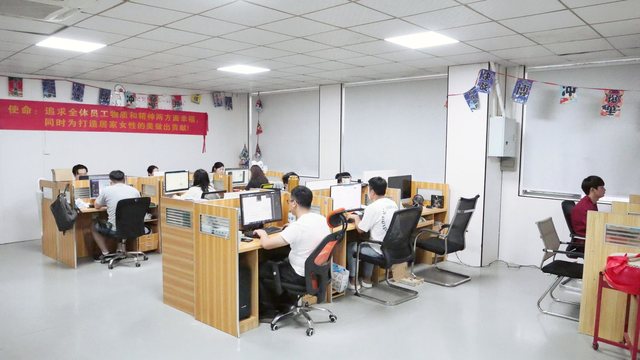
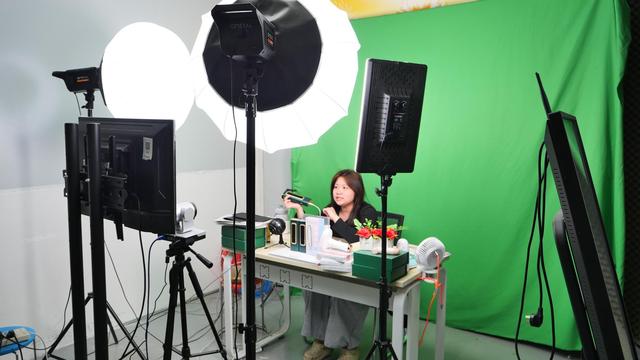
At Shenzhen Xtrim Beauty Co., Ltd., we combine technological innovation with strict quality management systems. Every beauty machine undergoes calibration and testing inside our modern assembly facilities, ensuring conformity to international safety and output standards.

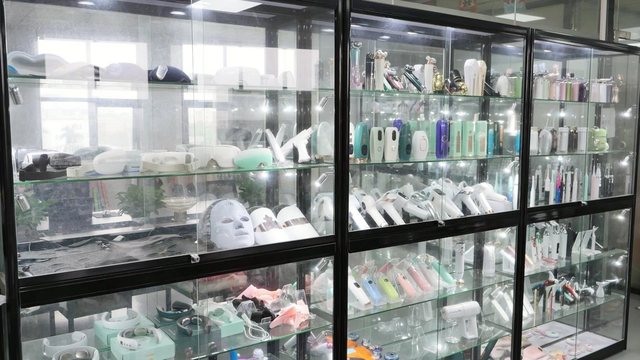
5. Manufacturing Rigor: How Shenzhen Xtrim Beauty Co., Ltd. Delivers E-E-A-T
Shenzhen Xtrim Beauty Co., Ltd. is a manufacturer specializing in IPL hair removal systems, laser devices, and advanced beauty solutions in China. Backed by solid R&D resources and extensive industry experience, we focus on safe, effective, and innovative hair removal systems for both home users and professional salons worldwide.
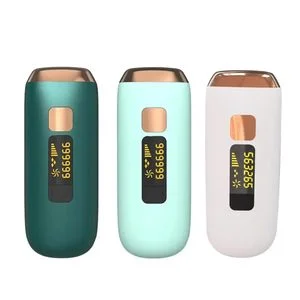
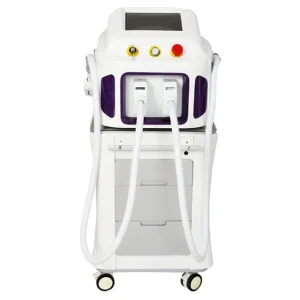
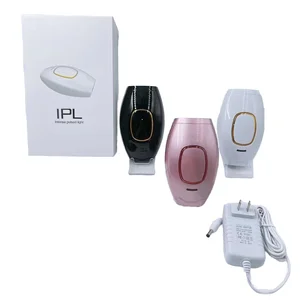
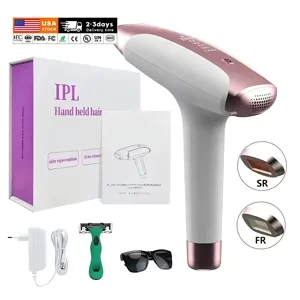
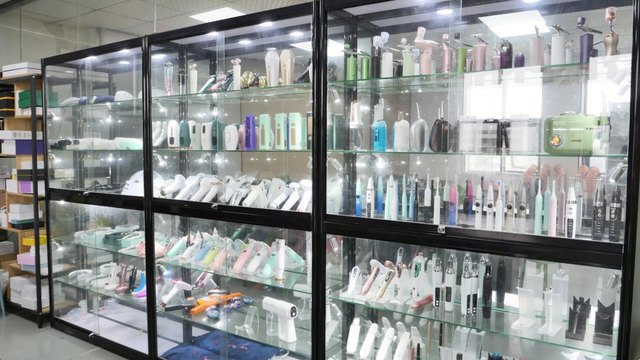
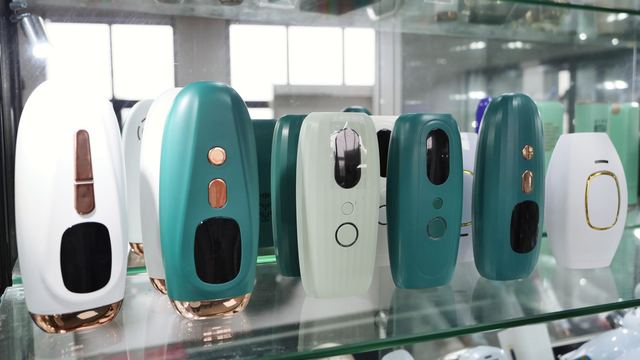
Our catalog includes at-home IPL hair removal devices, professional IPL machines, cordless IPL models, full-body hair removal systems, facial hair removal tools, bikini line treatment systems, skin tone sensing IPL systems, contact cooling hair removal devices, and salon-grade laser beauty equipment. Each model is engineered for long-term hair reduction with a focus on comfort and safety.
Operating modern production facilities equipped with advanced assembly lines and strict quality control processes, we subject every device to comprehensive testing. This includes energy output calibration, skin safety verification, durability testing, and performance validation to confirm alignment with international standards, including CE, FCC, and RoHS.
Our R&D team continuously refines optical pathways, cooling configurations, and ergonomics. We also offer full OEM and ODM services, including private label customization, product design, mold development, packaging design, and custom feature integration to help clients build competitive beauty brands globally.
Our products are widely exported to Europe, North America, South America, Southeast Asia, the Middle East, and beyond. They are trusted by beauty brands, e-commerce sellers, salons, and distributors for their reliable performance, clean designs, and cost-effective pricing. As an established manufacturer, Shenzhen Xtrim Beauty Co., Ltd. is dedicated to supporting global aesthetic businesses with reliable technology, flexible customization, rapid delivery, and professional technical support.
6. Technological Roadmap & Future Outlook
Aesthetic technology continues to evolve. The focus has shifted from raw power output to intelligent energy delivery, minimizing risks for different patient phototypes.
Integrating real-time skin pigment detection directly into the handpiece. This system automatically adjusts pulse width and fluence in real time, preventing thermal damage to dark skin types.
Upgrading cooling systems to maintain a constant 0°C to -9°C contact point. This advancement keeps treatments virtually painless, even at high-energy settings.
Connecting laser machines to cloud platforms for diagnostic tracking. This allows service teams to monitor shot counts, laser diode health, and system safety parameters remotely.
Combining 755nm, 808nm, and 1064nm wavelengths into a single handpiece. This simplifies inventory and ensures optimal results across all skin and hair types.
Advanced Clinical-Grade Solutions
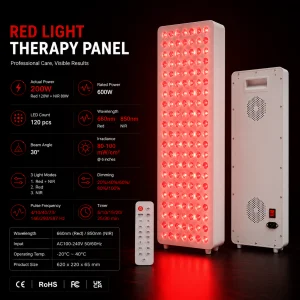
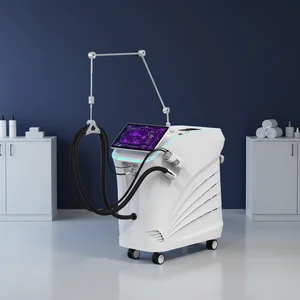
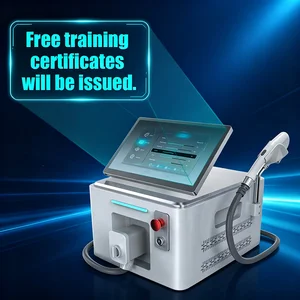
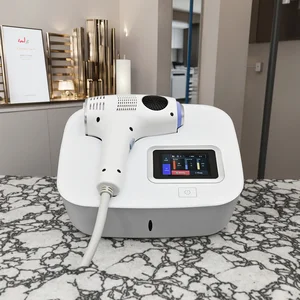
Explore our technical systems designed for commercial med-spas and distributed retail operations.
Clinical & Commercial FAQ: Professional Aesthetic Lasers
Review technical and regulatory questions relevant to aesthetic salon operations and distribution compliance.