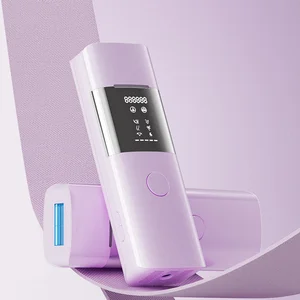
Featured Underarm IPL & Depilation Devices
Premium OEM/ODM home-use systems with sapphire cooling, high fluence, and advanced skin-sensing capabilities.
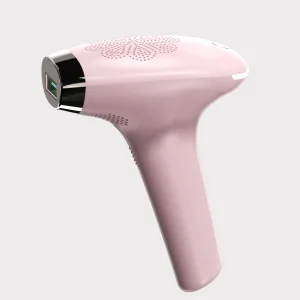
Painless Permanent Laser Epilator Women Armpit Depilation Mini Super Remover Home Use Body Ipl Light Hair Removal Device
View Specifications
Clear Skin Moisturizing Hair Removal Cream Gentle Body Hair Remover For Arms Legs Underarms Hands Hydrating Non-Irritating
View Specifications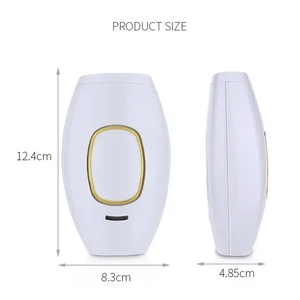
OEM Woman Hair Removal Appliances Epilator Machine Best Portable Epilation Ipl Hair Removal Epilator Painless
View Specifications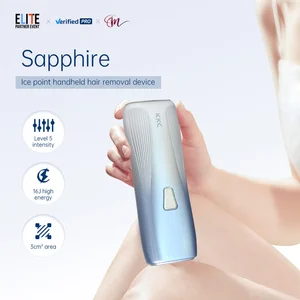
Women's IPL Laser Hair Removal Machine Fast Results Painless Ice Technology Handset for Armpit LED Indicator US/IT/ZA/ CN Plugs
View Specifications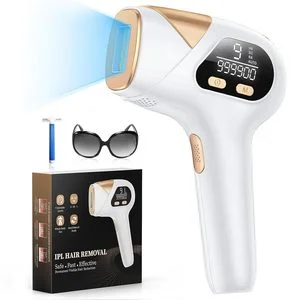
Household Handheld Hair Removal Device with Sunglasses Armpits Lips and Facial Laser Hair Removal Device Set
View Specifications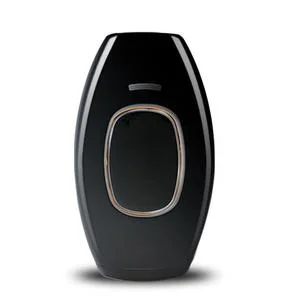
Luolandiman 712G Mini Home Electric IPL Laser Epilator for Hair Removal for Legs Underarms Bikini Area AC100-240V
View Specifications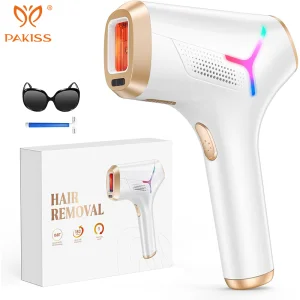
PAKISS At-Home IPL Hair Remover - HR+SR+RA for Underarm/Bikini Line/Leg Hair Removal
View Specifications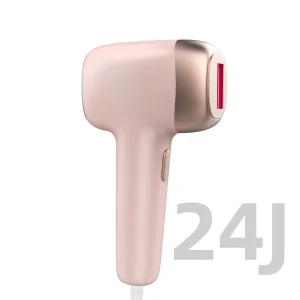
Mini Painless Ice Cooling IPL Hair Removal Max 24J High Energy Laser Hair Removal Machine for Face Bikini Line Armpit Leg Back
View SpecificationsGlobal Manufacturer Powerhouse
Shenzhen Xtrim Beauty Co., Ltd. drives the home-use clinical aesthetics market through rigorous engineering and scalable B2B operations.
Shenzhen Xtrim Beauty Co., Ltd. is a leading professional manufacturer specializing in IPL (Intense Pulsed Light) hair removal devices, home laser epilation systems, and professional-grade optical aesthetic equipment. With integrated R&D, structural design engineering, and medical-grade manufacturing processes, we provide high-performance solutions for home personal care and global aesthetic brands.
Our core mission is to bridge the gap between high-overhead clinical laser therapies and safe, convenient, and painless home-use treatments. By incorporating active sapphire contact cooling interfaces, smart Fitzpatrick skin-tone sensing algorithms, and highly durable Xenon lamps, we ensure our international distribution partners receive highly competitive, long-lasting hardware.
🔬 Underarm Depilation Physics: Why Specialized Optical Targets Matter
The underarm region represents one of the most demanding therapeutic targets for light-based epilation. Structurally, underarm follicles are characterized by a high density of coarse terminal hair, positioned relatively deep in the dermis (approximately 3.5mm to 4.5mm). Additionally, the underarm area is subject to constant friction, localized moisture, and higher baseline melanocyte activity, making it highly susceptible to post-inflammatory hyperpigmentation (PIH) if treated with sub-optimal optical energies or insufficient epidermal cooling.
Our proprietary IPL technology leverages the principle of Selective Photothermolysis. By emitting a spectrum between 510nm and 1200nm, the light energy is preferentially absorbed by the melanin chromophore within the hair shaft and root. This absorption generates a rapid thermal rise (exceeding 70°C), inducing thermal coagulation of the dermal papilla and stem cells responsible for follicular regeneration, without disrupting the surrounding epidermal layer.
To effectively target deep-rooted terminal underarm hair, devices require a high fluence threshold (typically 12J to 30J). However, high energy increases epidermal burn risk. Xtrim Beauty solves this by utilizing Multipulse Technology (splitting a single flash into rapid micro-pulses), allowing the hair follicle to accumulate thermal energy while letting the epidermis dissipate heat safely.
🏭 Xtrim Beauty Factory & Manufacturing Ecosystem
Take a virtual tour inside our advanced assembly lines, optical calibration darkrooms, and quality testing labs.
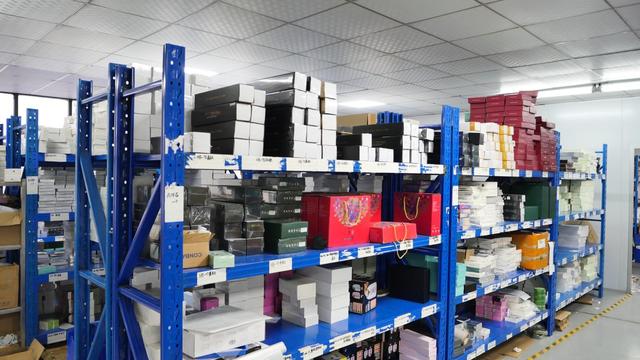

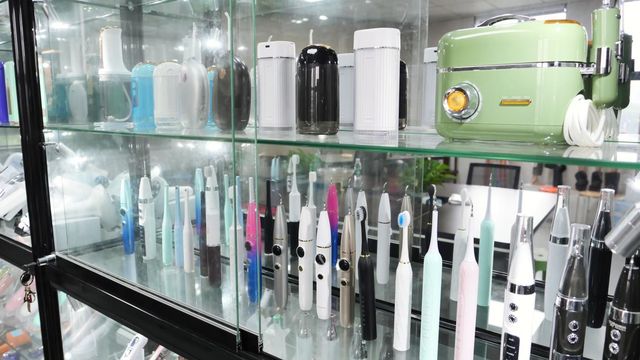

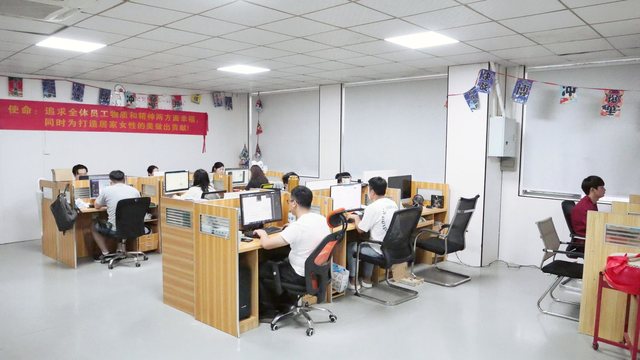
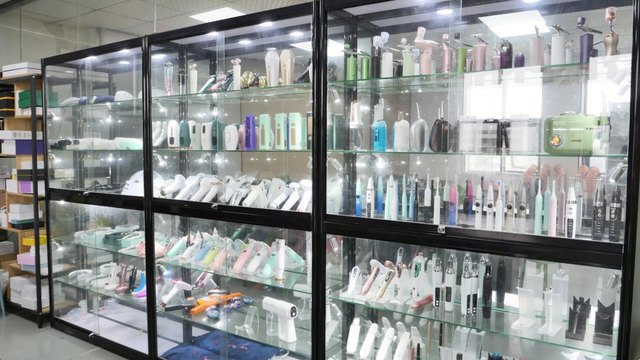


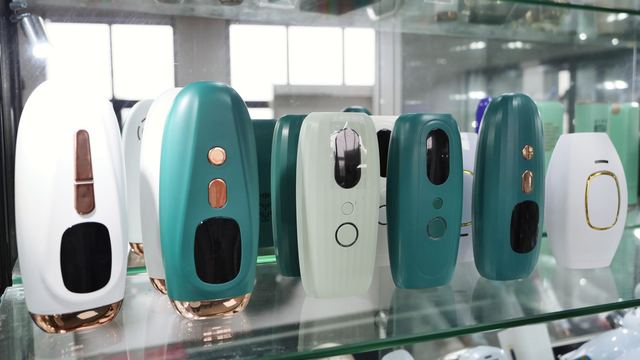
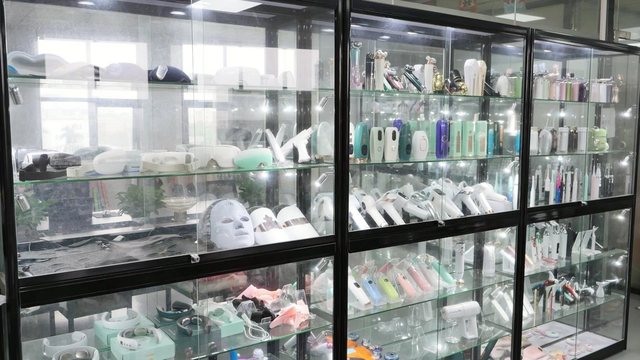
At Xtrim Beauty, our manufacturing center is certified under ISO 13485 (Medical Devices - Quality Management Systems). Every device undergoes a 5-step validation protocol before packaging: electrical leakage safety checks, NTC thermistor thermal feedback validation, spectral transmission test via integrating sphere, capacitor recharging duty cycle check, and 500-flash continuous burn-in testing.
💼 Sourcing Intelligence & B2B Solutions for E-Commerce & Distributors
Navigating the complexity of medical-grade home beauty imports, brand positioning, and supply chain logistics.
Full OEM/ODM Versatility
From industrial CAD designs and customized ABS injection molds to customized PCBs, firmware localized UI, and bespoke packaging configurations.
Regulatory & Certifications
We supply products compliant with international distribution standards. We provide complete technical files for CE, FCC, RoHS, and assistance with FDA submissions.
Optimized Unit Economics
Direct-from-factory pricing with scalable MOQ tiers allows premium direct-to-consumer (DTC) brands and salon distributors to achieve robust retail margins.
Why B2B Sourcing Demands Verified Optical Output Calibration
Many consumer-grade hair removal devices sold online fail to sustain their declared energy levels due to sub-standard capacitors or weak xenon tubes. When sourcing for import distribution, validating the energy retention curve is paramount. A low-cost capacitor will degrade within 5,000 flashes, resulting in a drop in energy density from 15J to 5J, which fails to induce permanent hair reduction. Xtrim Beauty works exclusively with high-durability capacitors and premium quartz xenon lamps rated for up to 990,000 flashes, preserving stable wavelength discharge over the lifetime of the device.
🚀 Technological Roadmap: The Future of Home-Use Epilation
Home aesthetics is moving beyond simple intense pulsed light. As professional medical spa treatments become more accessible, consumers demand the same rapid results at home, forcing manufacturers to innovate.
| Technology Paradigm | Key Features | Therapeutic Efficacy | Skin Safety Margin |
|---|---|---|---|
| Standard Home IPL | Broadband spectrum (500-1200nm), basic thermal cooling | Moderate (12-16 treatments for permanent clearance) | Medium (Relies on user manual skin type checks) |
| Sapphire Ice-Cooling IPL | Sapphire crystal contact cooling window (maintained at 5-10°C) | High (Allows higher fluence without skin burns) | Excellent (Protects the epidermis dynamically) |
| DPL (Dye Pulsed Light) | Narrow spectrum (500-600nm / 550-650nm) simulating laser pulses | Superior (Targets pigment molecules with laser-like precision) | High (Minimal energy waste on non-target tissue) |
| AI Smart Sensing Devices | Integrated photodiode sensors reading Fitzpatrick skin types in real-time | Optimal (Auto-modulates energy to maximum safe level) | Absolute (Prevents flashes if incorrect skin tone detected) |
Emerging Hardware Standards: Solid-State and Diode Integration
Xtrim Beauty's active engineering pipelines are shifting toward hybrid home diode lasers and DPL modules. Sapphire crystal cooling remains our benchmark, preventing thermal trauma during high-fluence underarm treatments. By coupling active Peltier refrigeration chips directly to the optical sapphire window, we reduce the contact temperature of the skin to below 8°C. This counteracts the photothermal heat spike in the epidermal layer, making 30J deep follicular treatments virtually painless for the end user.
🛡️ Global Compliance, Supply Chain Security & Quality Risk Mitigation
Selling electronic skin-contact beauty appliances globally exposes brands to stringent regulatory frameworks. In the United States, IPL hair removal devices are classified as FDA Class II medical devices requiring 510(k) clearance or specific OTC listings. In Europe, the transition to the Medical Device Regulation (MDR 2017/745) has significantly increased compliance requirements for light-emitting beauty devices.
Xtrim Beauty works proactively with world-leading testing labs (SGS, TUV, Intertek) to ensure all optical wavebands are strictly calibrated to filter out harmful UV-A and UV-B rays (wavelengths below 500nm). This protects the consumer from skin cell DNA damage and premature aging. Additionally, our factories ensure strict compliance with the Hazardous Substances Directive (RoHS) and Electromagnetic Compatibility (EMC) regulations, mitigating downstream legal liabilities for our import partners.
When auditing an IPL manufacturing partner, ensure they provide: 1) Integrating sphere test reports for wavelength stability; 2) High-voltage insulation testing certificates; 3) Mechanical drop durability data; and 4) Thermal camera logs showing cooling performance during continuous use cycles.
💡 Industrial Q&A: In-Depth Technical & Procurement Answers
Addressing core mechanical, biological, and logistic inquiries from global B2B buyers and brand managers.
⚡ What is the optimum energy density (J/cm²) for permanent underarm hair removal?
For dense, terminal underarm hair, a minimum fluence of 5J/cm² is required to induce follicular regression. Premium devices provide adjustable ranges from 3J/cm² for sensitive facial zones up to 6.5J/cm² (or aggregate outputs up to 24J-30J) for underarm and pubic regions. Active cooling is mandatory at fluences above 4.5J/cm² to prevent thermal injury to the epidermis.
🛡️ How does Xtrim Beauty ensure Fitzpatrick skin type safety?
Our premium models incorporate skin-tone sensor arrays using reflection photodiode technology. The system measures light absorption to determine melanin levels. If the sensor identifies Fitzpatrick Type VI skin (dark brown to black), the firmware automatically locks the xenon tube from firing, preventing epidermal burns.
⚙️ What is the difference between home-use IPL and professional clinic diode lasers?
Professional clinic diode lasers emit a single, highly coherent wavelength (typically 808nm) that targets deeper follicles directly. Home IPL uses a broader, non-coherent spectrum (510nm-1200nm) that spreads light energy across a larger area. While IPL takes more sessions to achieve comparable results, it is far safer for self-administration, cost-effective, and highly versatile when configured with modern wavelength filters.
📦 What are the standard lead times and MOQs for OEM/ODM orders?
For custom private labels using our existing enclosures, the minimum order quantity (MOQ) is generally 1,000 units, with a production lead time of 25 to 35 days. For complete ODM projects requiring custom structural design, injection molds, and custom PCB engineering, design validation takes 60 to 90 days, followed by standard production runs.
🔬 Why are quartz lamps superior to glass lamps in cheap IPL devices?
Quartz glass can withstand significantly higher thermal stress and has superior transmission characteristics in the target therapeutic wavelengths. Standard glass tubes deteriorate rapidly under the intense heat of flash discharges, cracking or shifting spectral outputs toward dangerous lower ultraviolet wavelengths. Xtrim Beauty uses high-purity quartz lamps to ensure safe and consistent wavebands throughout the product lifecycle.
✈️ How are lithium-ion cordless IPL devices handled for international shipping?
Cordless models require UN38.3 test certification for battery safety. We assist our logistics partners by providing complete MSDS documentation and utilizing certified sea/air freight forwarders specializing in battery-containing devices to ensure seamless customs clearance in North America, Europe, and Asia.
Explore Our Complete Depilation & Beauty Equipment Range
Direct factory sourcing, comprehensive warranty coverage, and scalable custom packaging services.
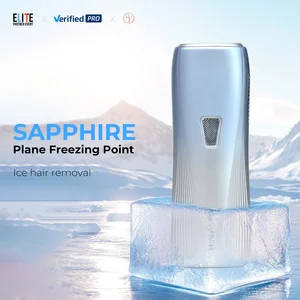
Premium High Energy IPL Hair Removal Device Efficient Hair Removal for Home & Salon Use Targeted on Armpit & Hands CN Plug
View Specifications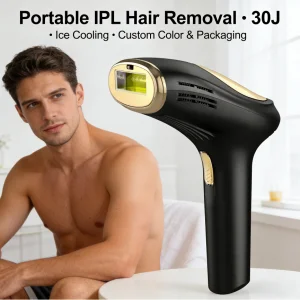
High Energy 30J Painless Facial Legs Armpits IPL Epilator for Women & Men Ice Cooling Laser Hair Removal Device Household
View Specifications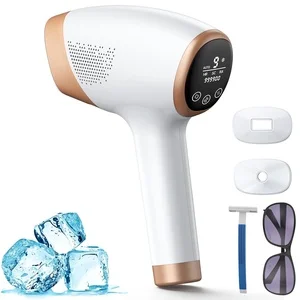
Manufacturer Direct Sapphire IPL Instrument for Painless Full Body Hair Removal English for Armpit Leg Beard Care Household
View Specifications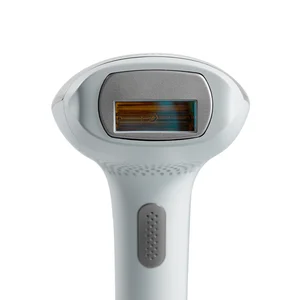
Painless Permanent Laser Diode Epilator Women Armpit Depilation Mini Super Remover Home Use Body Ipl Light Hair Removal Device
View Specifications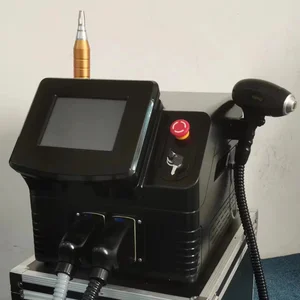
Warranty Underarm Hair Removal Quickly Hair Remover Picosecond Tattoo Removal Machine Aesthetics Training
View Specifications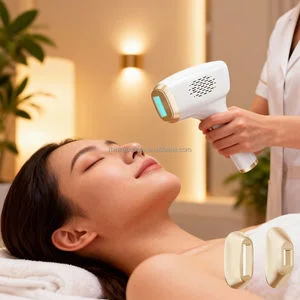
Portable Home IPL Laser Hair Removal Device Ice Cooling Fast Flash Painless Permanent Machine for Body Armpit and Face
View Specifications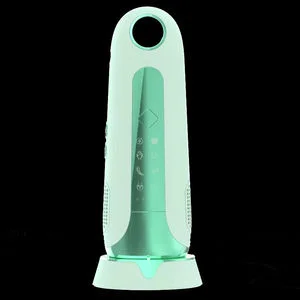
Epilator IPL Laser Hair Removal Machine Cooling Hair Laser Removal for Face ARMPIT Bikini Legs Arms Hair Removal Device
View Specifications