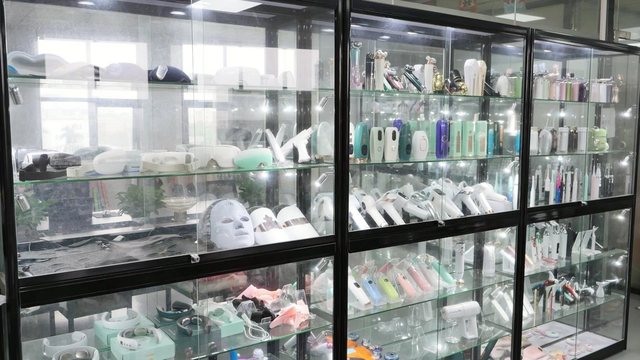
Premium Phototherapy & Personal Care Products
Explore our top-tier devices incorporating advanced optical science, custom wavelengths, and medical-grade manufacturing certifications.
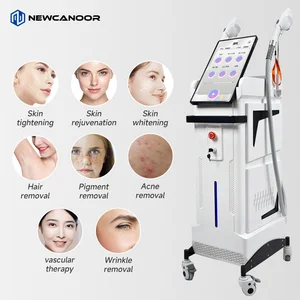
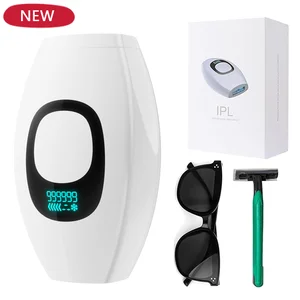
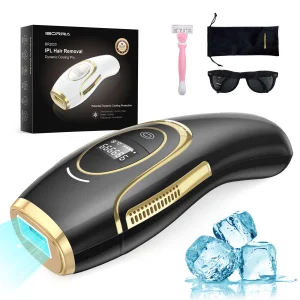
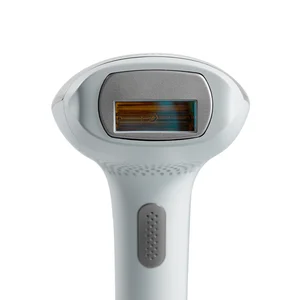
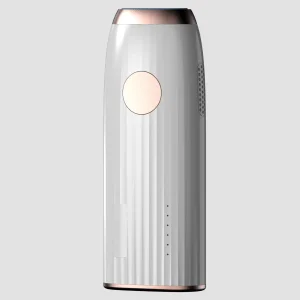
The Evolution of Phototherapy: LED Facial Mask Global Market Analysis
The global beauty and wellness market has experienced a significant paradigm shift, transitioning from localized spa treatments to highly technical, clinical-grade at-home skincare devices. Foremost in this category is the LED Facial Mask. Using Low-Level Light Therapy (LLLT) or Photobiomodulation (PBM), these masks deploy specific, calibrated wavelengths of light to penetrate different layers of the dermis, accelerating collagen production, mitigating inflammation, and eliminating acne-inducing bacteria. The global market size is projected to reach several billion USD over the next five years, fueled by a demographic that values efficiency, clinical efficacy, and continuous treatment consistency.
Currently, the market demands high-quality LED masks designed with flexible, medical-grade silicone that contours snugly to the facial structure. This ensures even optical dispersion and uniform irradiance ($mW/cm^2$) across all areas of the skin, maximizing biological absorption without exposing users to thermal risks. As brands compete globally, partnering with the right manufacturing ecosystem becomes a critical driver of market survival and dominance.
Why Shenzhen, China Dominates the Optical Beauty Device Supply Chain
Shenzhen represents the epicenter of optoelectronic innovation and medical-grade manufacturing. China-based manufacturers benefit from an unparalleled, vertically integrated supply chain. From micro-LED die packaging and custom PCB layout design to advanced SMT (Surface Mount Technology) assembly and dust-free cleanrooms, the entire production lifecycle is optimized for speed and regulatory compliance. Shenzhen Xtrim Beauty Co., Ltd. leverages this ecosystem to offer state-of-the-art beauty equipment, ensuring short lead times, highly competitive price-to-performance ratios, and robust engineering support.
Furthermore, Chinese factory efficiency translates to reliable rapid prototyping. Within days, developers can iterate on shell designs, modify LED optical lenses, and implement custom firmware. In contrast, manufacturers outside this hub face fragmented parts sourcing, resulting in extended launch timelines and high capital expenditures. For global beauty brands, sourcing directly from Shenzhen is not merely about cost reduction—it is a strategic requirement for scaling high-tech product lines rapidly.
Core Engineering & Manufacturing Excellence
Shenzhen Xtrim Beauty Co., Ltd. delivers customized ODM/OEM solutions with strict alignment to international medical and safety standards.
Strict Quality & Verification
Operating advanced production facilities, we subject every LED mask and IPL system to rigorous quality checks: energy output calibration, wavelength verification, skin safety assessments, and IPX7 waterproof testing.
Custom OEM/ODM Integration
We offer end-to-end private label integration, housing a highly specialized R&D team proficient in optical engineering, industrial design, custom mold development, silicone formulation, and application-specific firmware.
Uncompromising Certifications
All products are built to pass strict international regulatory frameworks, featuring CE, FCC, RoHS, FDA compliance documentation, and manufactured inside ISO 13485 certified facilities.
Target Market Integration & Localized Use Cases
Understanding user intent and buyer context is essential when sourcing LED masks. The requirements vary drastically based on the end-use environment. By tailoring product profiles to distinct market segments, B2B buyers can maximize product-market fit and ensure consistent sales velocities:
- At-Home Skincare Consumers: Focus on ergonomics, lightweight materials, intuitive control pads, wireless capabilities, and rechargeable batteries. Buyers targeting e-commerce platforms like Amazon or Shopify require beautiful retail packaging and FDA/CE compliance to build organic trust.
- Professional Spas & Med-Clinics: Focus on high durability, easy sanitization (medical-grade silicone is non-porous and highly resistant to chemical wipes), high irradiance levels for rapid treatment, and long power cords for continuous back-to-back operations.
- Travel & On-the-Go Wellness: Requires ultra-flexible, rollable silicone designs that pack flat, companion mobile apps for personalized routines, and multi-voltage compatibility for global travel configurations.
The Science of Light Wavelengths & Skin Interaction
Skincare phototherapy functions on the principle that cells respond uniquely to specific wavelengths. Unlike UV radiation, which causes DNA damage and skin degradation, the visible and near-infrared light spectrum provides therapeutic energy. High-quality LED facial masks coordinate these precise wavelengths to execute controlled biological cascades:
Red Light (630nm - 660nm): Specifically absorbed by cytochrome c oxidase within the mitochondria. This absorption accelerates adenosine triphosphate (ATP) production, fueling cellular division, accelerating wound healing, and stimulating fibroblasts to synthesize new collagen and elastin fibers. This is the cornerstone of anti-aging therapy.
Near-Infrared Light (830nm - 850nm): Possesses the deepest penetration capability among home-use skin wavelengths. It extends deep into the subcutaneous layers, triggering microcirculation, enhancing lymphatic drainage, reducing persistent inflammation, and alleviating deep tissue puffiness.
Blue Light (415nm): Targets the epidermis, where it interacts with coproporphyrin III molecules within Propionibacterium acnes. This reaction produces singlet oxygen, which selectively destroys the bacteria responsible for acne flare-ups without damaging adjacent healthy skin tissue.
Yellow/Amber Light (590nm): Promotes microvascular health, reduces redness and erythema post-laser treatments, and calms irritated skin. It is frequently requested by dermatological clinics for post-procedure soothing.
Global Procurement Blueprint for Beauty Importers
For procurement officers sourcing LED facial masks or IPL hair removal devices from China, avoiding common supply pitfalls is critical. A robust evaluation framework guarantees high performance, safety, and brand protection:
1. Optical Diagnostics: Request a complete spectrometer test report outlining the spectral distribution. Ensure peak emission spikes exactly at the specified wavelengths (e.g., 630nm for red) and does not drift into ineffective bands. Cheap LEDs often drift, rendering the mask ineffective.
2. Irradiance Testing: Ask for target testing distances. High-quality masks are measured at 0mm (contact surface) to confirm energy density ranges between $30mW/cm^2$ to $50mW/cm^2$. Lower energy density results in long, impractical treatment times.
3. Biocompatibility of Materials: Ensure the medical-grade silicone passes cytotoxicity, sensitization, and skin irritation tests (ISO 10993 standards). This prevents post-use allergic contact dermatitis, protecting your brand from costly liability claims.
Frequently Asked Questions
Get authoritative answers regarding engineering, sourcing, compliance, and customization of Chinese LED Facial Masks.
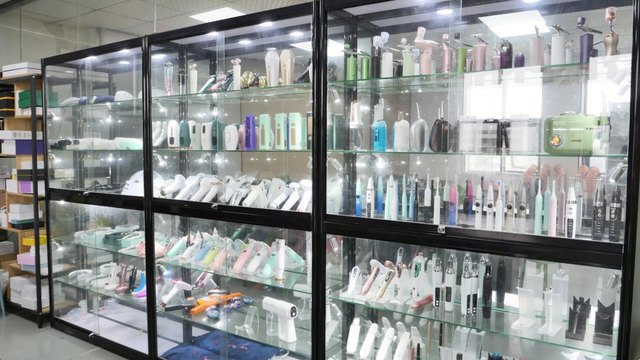
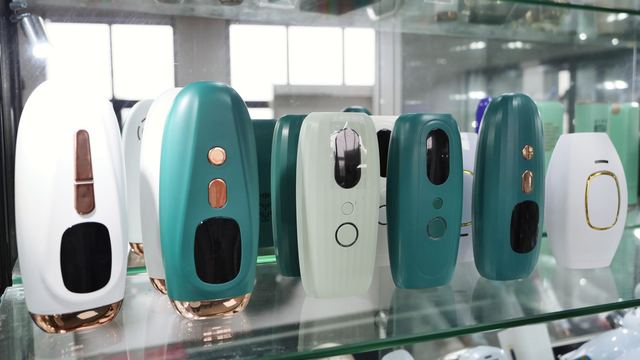
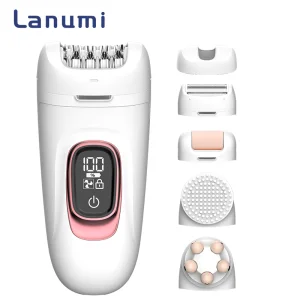
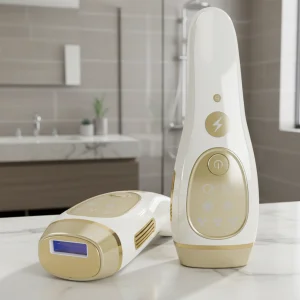
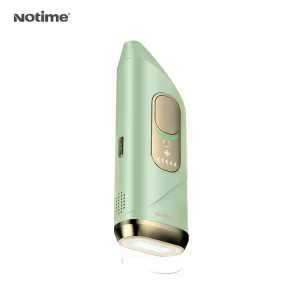
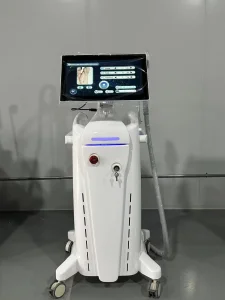
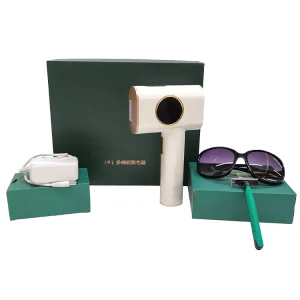
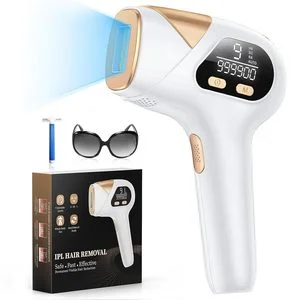
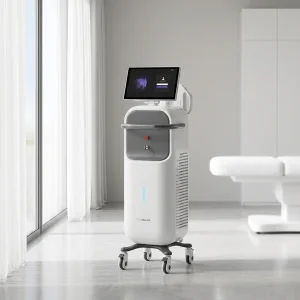
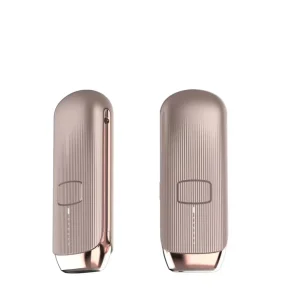
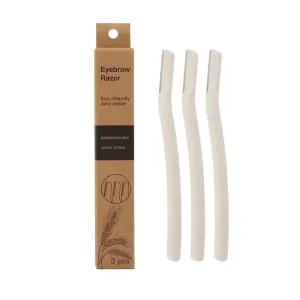
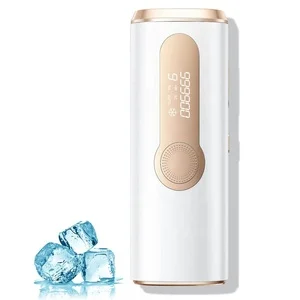
Explore Our Advanced Hair Removal & Skincare Systems
Professional-grade beauty devices designed for clinical and home care use cases worldwide.
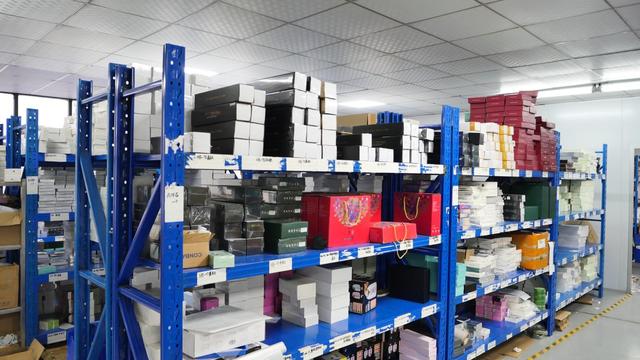
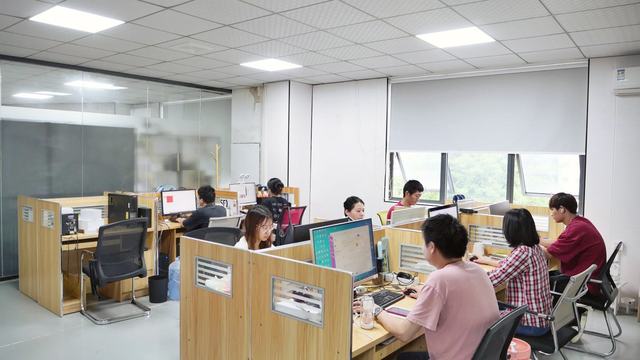
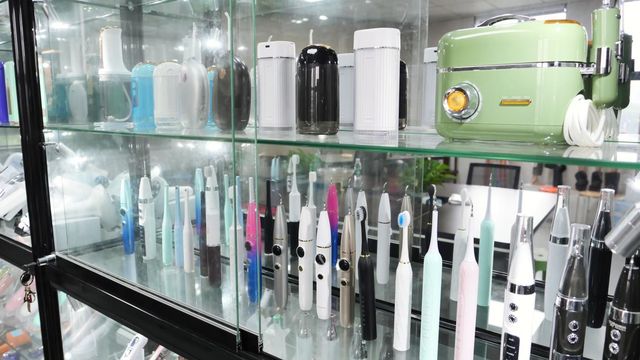
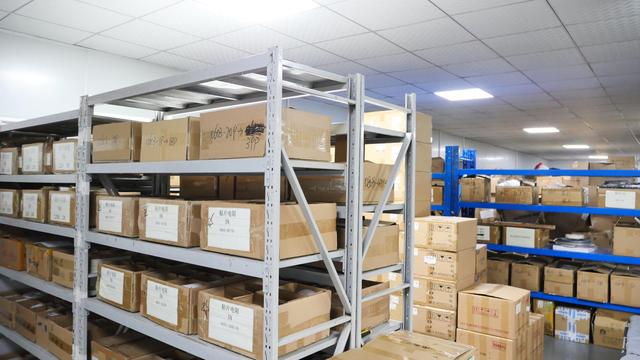
Manufacturing Infrastructure & Quality Control
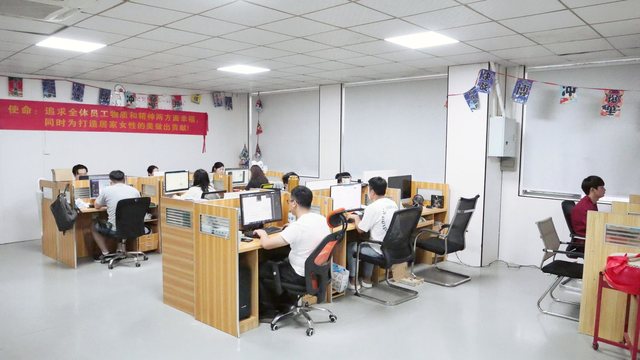
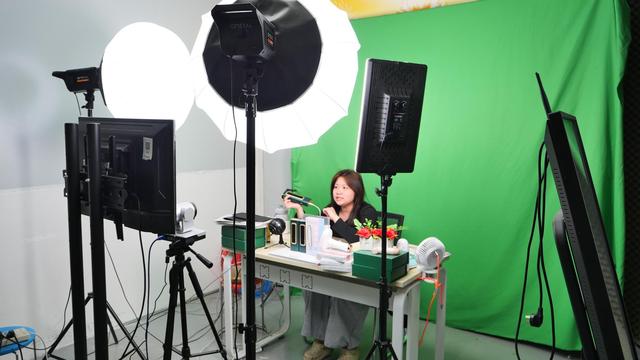
A visual inspection of our modern manufacturing plants, production assemblies, cleanrooms, and testing facilities in Shenzhen, China.