Featured Professional Aesthetic Systems (Part I)
Precision-engineered optical platforms engineered for clinical hair reduction, sapphire-coupled contact cooling, and multi-wavelength output.
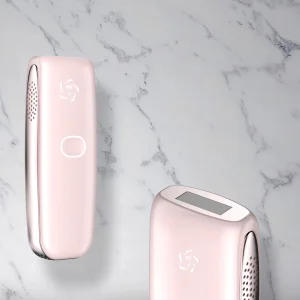
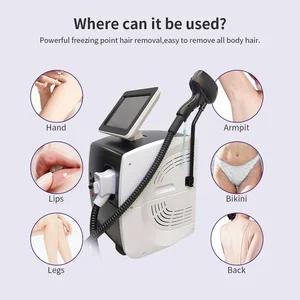
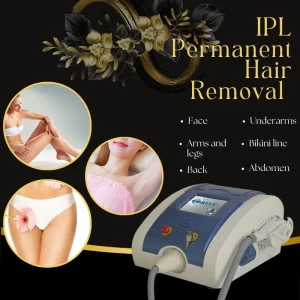

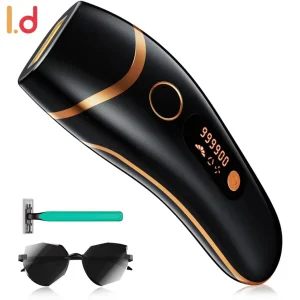
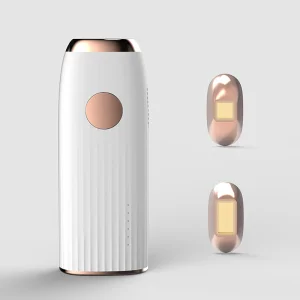
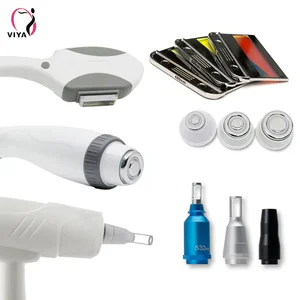
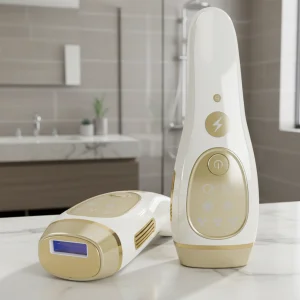
Global Landscape of Professional Laser Hair Removal Systems
The clinical demand for light-based dermatological procedures has transitioned from luxury treatments to standard personal grooming regimens. Today, the global aesthetic laser market is driven by rigorous technological evolution and the demands of modern clinical practitioners.
Clinical & Commercial Evolution
Medical-grade systems utilizing 808nm/810nm diode stacks, 755nm Alexandrite crystals, and 1064nm Nd:YAG resonators represent the industry standard. Clinicians rely on high peak power, thermal relaxation control, and advanced skin-tip cooling interfaces to optimize treatment times, ensure safety across all Fitzpatrick skin types, and improve client compliance.
The Rise of Premium Home-Use & Hybrid Devices
Technological miniaturization has closed the gap between high-energy clinical systems and consumer electronics. Advanced Intense Pulsed Light (IPL) units now integrate active sapphire window cooling and smart skin-tone sensors. This technology brings salon-grade efficacy into compact, ergonomic, handheld form factors designed for the global direct-to-consumer and retail professional market.
Global Standard Compliance
Top-tier manufacturers prioritize global medical compliance, including FDA clearances, CE certifications, and EU MDR guidelines. Compliance requires strict quality control systems, standardized energy output calibration, and bio-compatible materials to ensure long-term device safety and reliability.
Evaluation Benchmarks of Top-Tier Aesthetic Device Factories
Not all manufacturing sites meet clinical benchmarks. Industrial buyers and brand owners evaluate factories based on specialized indicators of engineering capability, system reliability, and supply chain transparency.
1. Optical Power Calibrations
A reliable system must output exact fluence values (J/cm²) consistently over its lifespan. Qualified factories use advanced optical power meters, integration spheres, and spectrometer tests to ensure that every emitted pulse matches its software setting, avoiding skin burns or under-powered, ineffective treatments.
2. Thermal Management Systems
High-energy laser diode bars produce significant heat. Top factories construct advanced cooling loops with thermoelectric coolers (TEC), active sapphire cooling windows, and high-flow microchannel water cooling systems. This allows the handpieces to run continuously for over 12 hours without thermal degradation.
3. Electromagnetic Compatibility (EMC)
Professional medical systems must operate without interfering with nearby medical equipment or being disrupted by external radio frequencies. Compliance with international standards, such as EN 60601-1-2, is a core requirement for high-end manufacturing facilities.
Technological Roadmap & Light-Tissue Selectivity
Understanding light-tissue interaction is essential for selecting the appropriate wavelength for different skin and hair types. The table below compares the primary light-based hair removal technologies used today.
| Wavelength / Tech Platform | Target Chromophore & Penetration | Primary Clinical Indications | Skin Type Suitability (Fitzpatrick Scale) | Hardware Core Components |
|---|---|---|---|---|
| 755nm Alexandrite | High melanin absorption; shallow-medium depth penetration. | Fine, thin, light-pigmented hair types; fast treatment times. | Fitzpatrick I - III (Light skin types) | Alexandrite solid-state flashlamp-pumped crystals. |
| 808nm / 810nm Diode | Moderate melanin absorption; deep follicular penetration. | The standard for rapid hair removal across diverse regions. | Fitzpatrick I - VI (Highly versatile) | Vertical or horizontal semiconductor diode stacks. |
| 1064nm Nd:YAG | Low melanin absorption; deep dermal penetration. Safe for dark skin. | Coarse hair in dark-skinned individuals; deep hair follicles. | Fitzpatrick IV - VI (Darker skin types) | Neodymium-doped Yttrium Aluminum Garnet solid-state laser. |
| Broadband IPL (500–1200nm) | Broad absorption spectrum (melanin, oxyhemoglobin, water). | Dual-purpose: permanent hair reduction and photorejuvenation. | Fitzpatrick I - IV (Skin-tone sensor required) | Xenon arc flashlamps paired with interchangeable optical filters. |
Future Technology Focus: Multi-Wavelength Coupling & Intelligent AI Sensors
The industry is moving toward multi-wavelength systems that combine 755nm, 808nm, and 1064nm wavelengths in a single handpiece. This approach allows clinics to target multiple follicle depths simultaneously. In the consumer sector, factories are integrating smart AI-driven skin color sensors. These sensors automatically adjust energy output based on real-time melanin measurements, maximizing efficacy while preventing epidermal damage.
Featured Industrial Partner: Shenzhen Xtrim Beauty Co., Ltd.
Representing Chinese precision manufacturing, Shenzhen Xtrim Beauty Co., Ltd. stands out as a leading developer and exporter of high-performance IPL and diode laser systems.
Expertise & Customization
Shenzhen Xtrim Beauty Co., Ltd. is a professional manufacturer specializing in IPL hair removal devices, laser hair removal systems, and advanced beauty equipment in China. With strong R&D capabilities and extensive experience in the personal care device industry, they focus on delivering safe, effective, and innovative hair removal solutions for both home users and professional beauty salons worldwide.
- State-of-the-art optical laboratory
- Advanced energy calibration meters
- Strict Quality Management System
- Full compliance with global safety standards
Diverse Product Range
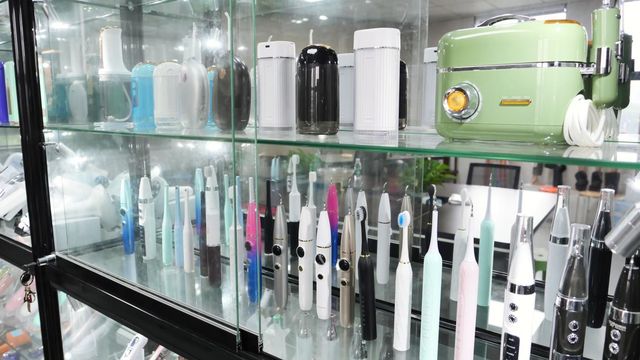
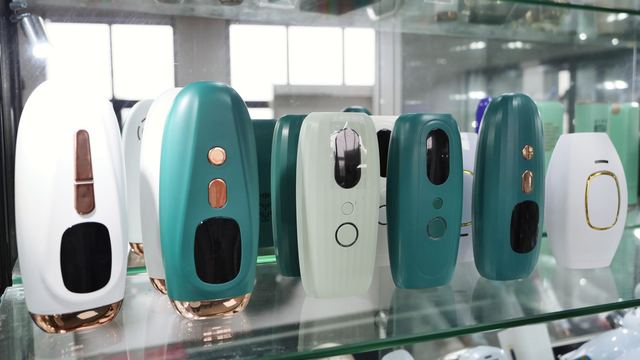
Their product range includes at-home IPL hair removal devices, professional IPL machines, cordless IPL devices, full-body hair removal systems, facial hair removal tools, bikini line treatment devices, skin tone sensing IPL systems, cooling hair removal devices, and salon-grade laser beauty equipment. All products are designed to provide long-term hair reduction results with maximum comfort and safety.
R&D and Customization Services
Their experienced R&D team continuously innovates in optical technology, cooling systems, and user-friendly design. They also provide full OEM and ODM services, including private label customization, product design, mold development, packaging solutions, and brand-specific feature integration to help clients build competitive beauty brands in the global market.
Chinese Supply Chain Resilience & Manufacturing Advantages
China's manufacturing ecosystem, particularly in Shenzhen, provides a competitive mix of rapid prototyping, specialized optical engineering, and cost efficiency.
Integrated Component Sourcing
Shenzhen's manufacturing network allows factories to source components locally, including optical sapphire filters, specialized flashlamps, semiconductor laser bars, cooling chips, and custom injection-molded parts. This integration reduces lead times and minimizes shipping delays.
Rapid R&D and Iteration
The proximity of engineering, tooling, and testing facilities allows manufacturers to transition a design from initial 3D concept to a working prototype in weeks rather than months. This speed helps brands react quickly to shifting consumer trends.
Rigorous QA Testing Standards
At Xtrim Beauty, modern manufacturing facilities are equipped with advanced production lines and strict quality control systems. Every device undergoes multiple testing processes, including energy output calibration, skin safety verification, durability testing, and performance evaluation to ensure compliance with international standards such as CE, FCC, and RoHS.
Localization & Global Application Scenarios
Different markets require tailored configurations to meet local consumer habits, skin phototypes, and regulatory requirements.
North American Medspas
High-fluence diode lasers with FDA 510(k) clearance are essential. Handpieces must support high duty cycles and feature cooling interfaces to accommodate busy clinics and diverse client bases.
European Beauty Salons
Systems must meet strict CE MDR certifications. There is high demand for multi-use platforms that combine hair removal with photorejuvenation functions to maximize treatment room utility.
Global Home-Use Markets
Consumer devices require compact, lightweight ergonomics, simple controls, and built-in safety features like skin-contact sensors and UV filtration to ensure safe operation at home.
Featured Professional Aesthetic Systems (Part II)
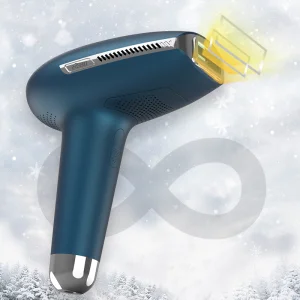
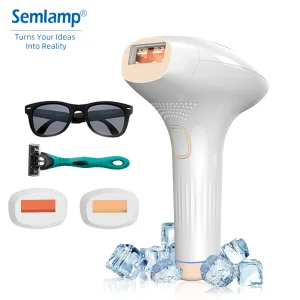
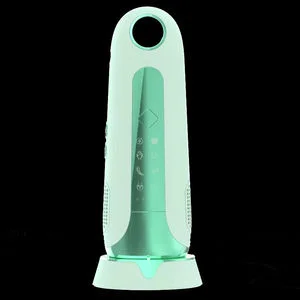
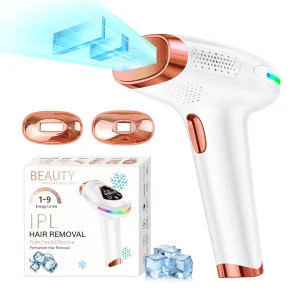
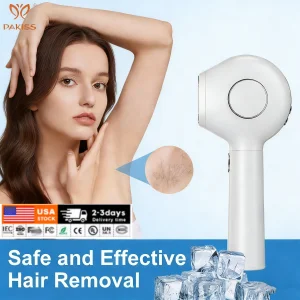
Explore additional high-performance solutions, including desktop salon equipment and portable personal cooling epilators.
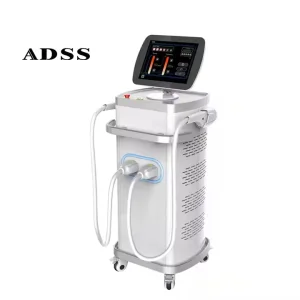
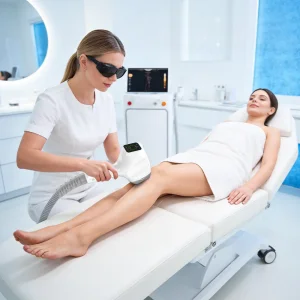
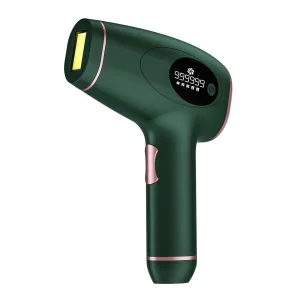
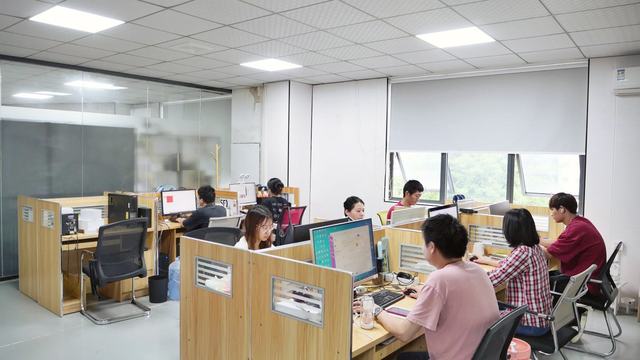
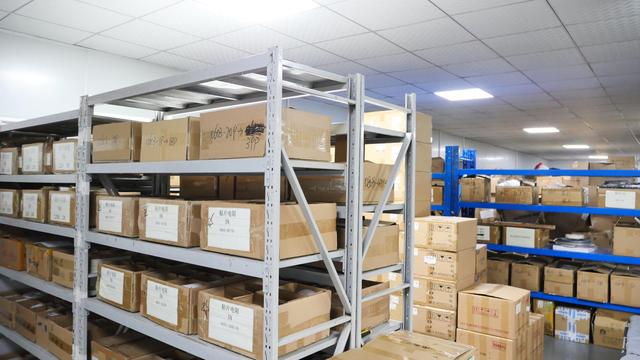
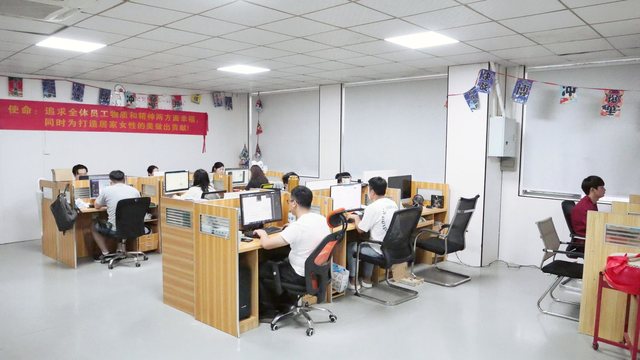
Modern Manufacturing Facilities & Quality Operations
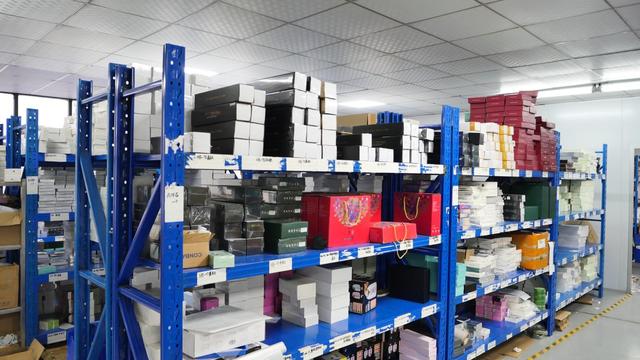
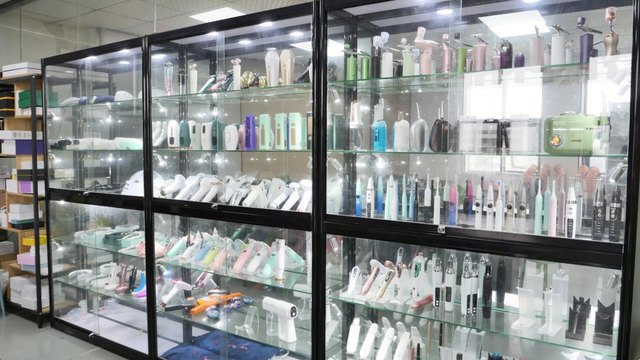
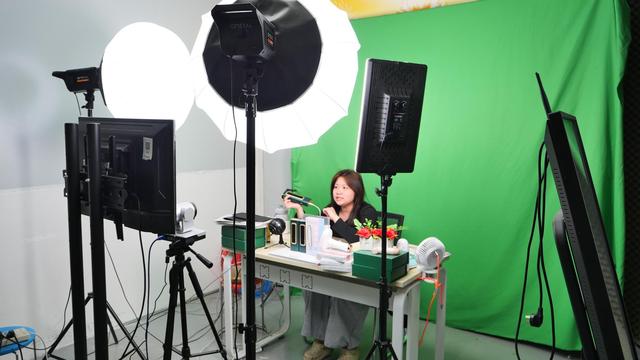
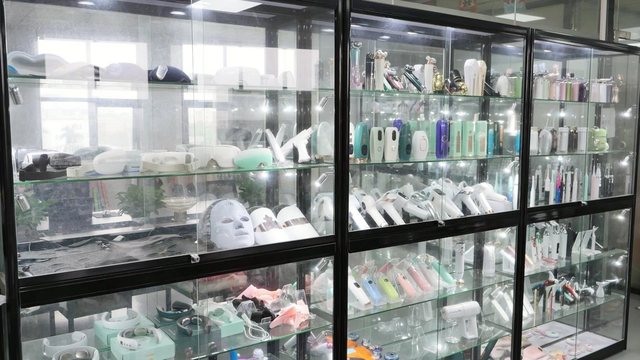
Our production facilities prioritize safety and high standards. Our IPL and laser systems are exported globally, including to Europe, North America, South America, Southeast Asia, and the Middle East, supported by flexible customization services and professional technical support.

Technical & Sourcing FAQ
Common technical questions regarding professional laser systems, hardware reliability, and OEM/ODM factory sourcing.
Diode lasers (808nm/810nm) emit a single, concentrated wavelength of light that targets melanin at a specific follicle depth. This allows for precise, high-fluence treatments suitable for a wide range of skin types. IPL systems emit a broad spectrum of light (typically 500nm–1200nm) using filters. While highly versatile for both hair removal and skin rejuvenation, IPL light naturally diffuses more than a laser, meaning it typically requires more sessions to match the permanent hair reduction results of a diode laser system.
When high-fluence light targets melanin in the hair follicle, it generates significant heat. Without active cooling, this heat can conduct to the epidermis, causing discomfort, blisters, or hyperpigmentation. Sapphire contact cooling and Thermoelectric Coolers (TEC) keep the skin's surface at a controlled, low temperature (typically between 0°C and 10°C) during emission. This protects the epidermis, increases patient comfort, and allows practitioners to use higher energy levels for better results.
Aesthetic and medical devices are subject to strict regional regulations. In the United States, commercial hair removal lasers require FDA 510(k) clearance, while the European Union requires CE marking under the Medical Device Regulation (MDR). Importing devices without the proper regional clearances can lead to customs delays or legal issues. Reputable factories like Shenzhen Xtrim Beauty design and test their systems to comply with CE, FCC, and RoHS standards to ensure smoother international distribution.
The lifespan of a laser handpiece is primarily measured in shots, determined by the quality of the laser diode stack or flashlamp. High-quality diode stacks can deliver 20 million to 100 million shots before energy output begins to degrade. To maximize handpiece lifespan, operators should ensure proper water circulation using deionized water, maintain the recommended ambient room temperature, and perform regular optical window cleanings to prevent dust accumulation.
Yes. Experienced manufacturers like Shenzhen Xtrim Beauty provide full OEM/ODM services. This includes physical modifications, such as customized handpiece designs and outer casing molds, as well as digital customization. Software integration can include brand-specific user interfaces, customized treatment protocols, and support for multiple languages, helping distributors differentiate their products in the global market.