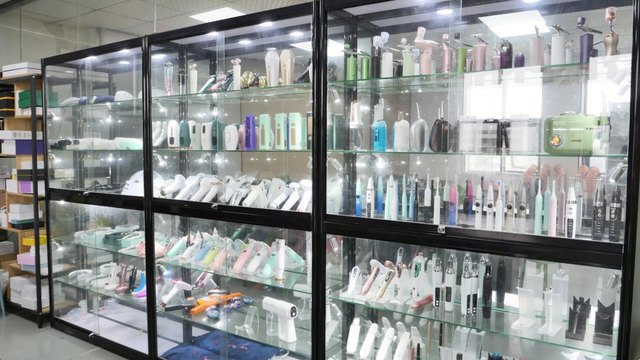
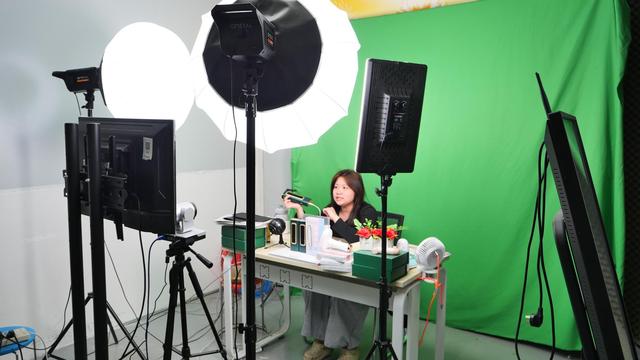
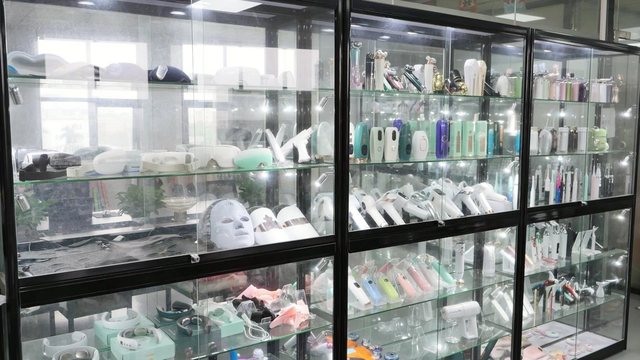
Premium B2B Product Portfolio
Explore our advanced personal care, precision optoelectronic, and high-frequency transducer electronic products engineered for global compliance.
Global B2B Sourcing Overview: Ultrasonic Pest Repellers
Navigating the complex landscape of high-frequency electronic manufacturing and supply chain challenges.
Addressing Frequency Habituation
Standard fixed-frequency devices suffer from diminishing effectiveness as pests adapt. High-tier manufacturers design sweep-frequency systems shifting between 22 kHz and 65 kHz to prevent habituation.
Transducer Calibration & Quality
Low-cost suppliers often use generic piezoceramic discs that rapidly lose energy output. Professional plants utilize micro-calibrated transducers to ensure decibel levels remain above 100dB for reliable repelling.
Regulatory Safety & Compliance
Global entry requires strict conformity. Enterprise buyers need factory partners who guarantee and carry authentic CE, FCC, RoHS, EPA registration, and strict environmental compliance certificates.
Advanced Engineering: Variable Frequency Sweep Technology
The efficacy of modern ultrasonic pest repellers relies on advanced transducer control. Simple devices emit a constant, single frequency that target species quickly learn to ignore. Industrial-grade models implement custom microcontrollers that cycle through random frequency patterns.
- Continuous Frequency Sweep: Modulates sound waves between 22kHz and 65kHz to consistently disrupt pest nervous systems.
- Dual-Chip Architecture: One processor handles ultrasonic output; the second manages electromagnetic pulses through structural wiring.
- Dynamic Decibel Levels: Generates sound pressure peaks exceeding 110dB, targeting pests while remaining imperceptible to humans.
- Low Power Loss: High-efficiency driver circuits minimize thermal loss, extending continuous runtimes up to 50,000 hours.
High-Frequency Manufacturing Convergence
A key factor in manufacturing advanced ultrasonic devices is precision calibration. Factories specializing in advanced optoelectronics (such as high-intensity IPL and laser beauty equipment) utilize the exact same foundation of micro-electronic calibration, SMT cleanroom facilities, and wave energy analysis tools.
By utilizing industrial cleanrooms and high-grade PCB testing devices, production lines achieve defect rates of less than 0.15%. This cross-industry technological strength guarantees that both high-frequency optical beauty devices and acoustic pest control products deliver stable, reliable performance over years of continuous operation.
Shenzhen Xtrim Beauty Co., Ltd.
A trusted manufacturing leader specializing in advanced IPL hair removal devices, personal care electronics, and precision OEM/ODM micro-electronics.
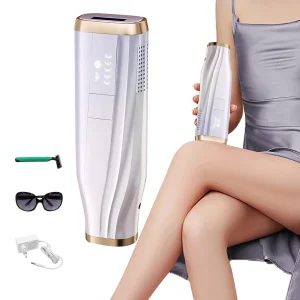
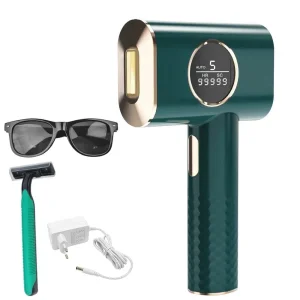
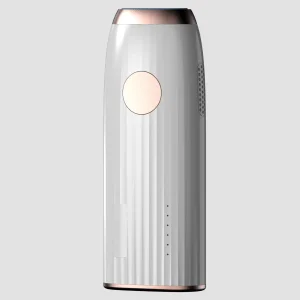
Shenzhen Xtrim Beauty Co., Ltd. is a professional manufacturer specializing in IPL hair removal devices, laser hair removal systems, and advanced beauty equipment in China. With strong R&D capabilities and extensive experience in the personal care device industry, we focus on delivering safe, effective, and innovative hair removal solutions for both home users and professional beauty salons worldwide. Our engineering expertise spans optoelectronic technology, thermal management, and micro-electronic circuit design, enabling us to manufacture highly stable, high-performance home appliances and consumer electronics.
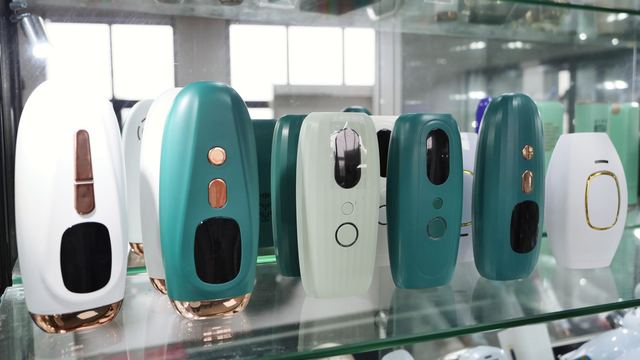
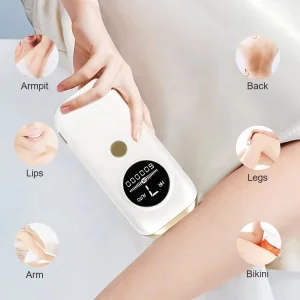
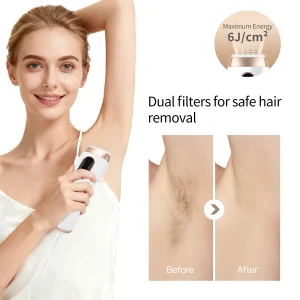
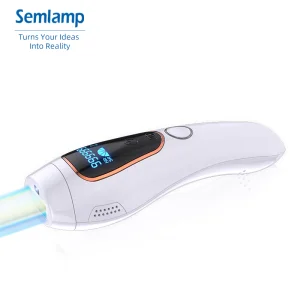
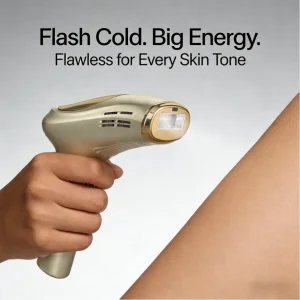
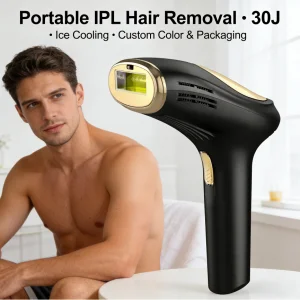
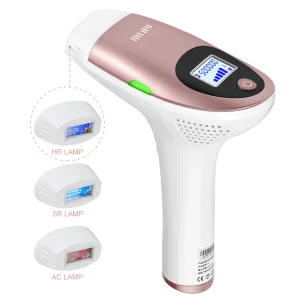
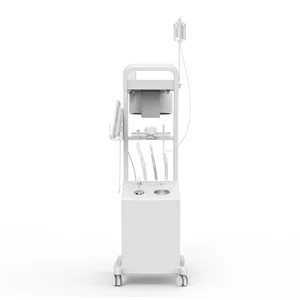
Our product range includes at-home IPL hair removal devices, professional IPL machines, cordless IPL devices, full-body hair removal systems, facial hair removal tools, bikini line treatment devices, skin tone sensing IPL systems, cooling hair removal devices, and salon-grade laser beauty equipment. All products are designed to provide long-term hair reduction results with maximum comfort and safety.
At Xtrim Beauty, we operate modern manufacturing facilities equipped with advanced production lines and strict quality control systems. Every device undergoes multiple testing processes, including energy output calibration, skin safety verification, durability testing, and performance evaluation to ensure compliance with international standards such as CE, FCC, and RoHS.
Our experienced R&D team continuously innovates in optical technology, cooling systems, and user-friendly design. We also provide full OEM and ODM services, including private label customization, product design, mold development, packaging solutions, and brand-specific feature integration to help clients build competitive beauty brands in the global market.
Our IPL hair removal devices are widely exported to Europe, North America, South America, Southeast Asia, the Middle East, and other regions. They are trusted by beauty brands, e-commerce sellers, salons, and distributors for their reliable performance, modern design, and cost-effective pricing. As a leading IPL hair removal device manufacturer in China, Shenzhen Xtrim Beauty Co., Ltd. is committed to providing high-quality beauty technology, flexible customization services, fast delivery, and professional technical support to help global customers grow their business successfully.
Global Regulatory Standards & Local Compliance
B2B importers must understand market-specific requirements to ensure hassle-free customs clearance and compliant market placement.
USA Market (EPA & FCC)
In the United States, ultrasonic pest repellers are classified as pest control devices by the EPA. Sourcing requires an EPA Establishment Number displayed on packaging. Unintentional radiators must also secure FCC Part 15 Subpart B verification to guarantee no interference with local wireless networks.
EU Market (CE & RoHS)
For European Union distribution, devices must satisfy CE marking directives, specifically Electro-Magnetic Compatibility (EMC) 2014/30/EU and Low Voltage Directive (LVD) 2014/35/EU. Complete chemical restriction compliance via RoHS 2.0 (Directive 2011/65/EU) is mandatory for electronic components.
Personal Care & Medical (FDA/CE)
Advanced beauty equipment, such as optoelectronic hair removers, requires rigorous energy safety verification. Our manufacturing facility holds comprehensive certifications verifying skin safety, energy output stability, and clinical-grade materials suitable for consumer applications.
Frequently Asked B2B Sourcing Questions
Get professional insights directly from our engineering and manufacturing teams.
1. What is the standard MOQ for OEM/ODM orders?
Our standard Minimum Order Quantity (MOQ) for custom branding, packaging design, and custom housing colors typically starts at 1,000 units. For fully customized electronic PCB engineering or structural modifications, the MOQ ranges between 2,000 and 5,000 units depending on complexity. Small trial orders for stock configurations can be negotiated during initial discussions.
2. How do you guarantee the reliability of variable ultrasonic frequencies?
Every production batch undergoes automated testing using digital oscilloscopes and acoustic spectral analyzers. This ensures the microcontroller software matches the physical transducer performance, verifying that the sound pressure level (SPL) and sweep frequency range (22kHz-65kHz) meet our specifications before final assembly.
3. What is the typical lead time for production?
For standard bulk orders, lead time is 25 to 30 days once order details are finalized and deposit is received. Custom OEM projects, which require new mold construction, plastic injection, and customized PCB layouts, typically need 45 to 60 days, including testing and sample approval phases.
4. Do your pest repeller designs comply with EPA and FCC rules for US importing?
Yes, we assist all importing partners with necessary documentation. We provide FCC test reports from accredited third-party labs, and we work closely with buyers to ensure product packaging and label layouts meet all EPA and Federal Trade Commission guidelines.
5. Can the transducer technology be customized for specific target pests?
Yes. We can program the microcontroller firmware to target specific species by adjusting frequency bands (e.g., lower bands for larger rodents, higher ultrasonic ranges for crawling insects). Customizing transducer power outputs is also possible based on client application specifications.
6. What testing steps do you perform on IPL beauty devices?
Each IPL unit undergoes strict testing, including energy density validation, pulse duration checks, skin tone sensor calibration, safety interlock verification, and extensive high-temperature aging tests. This ensures every product performs safely and consistently for end users.
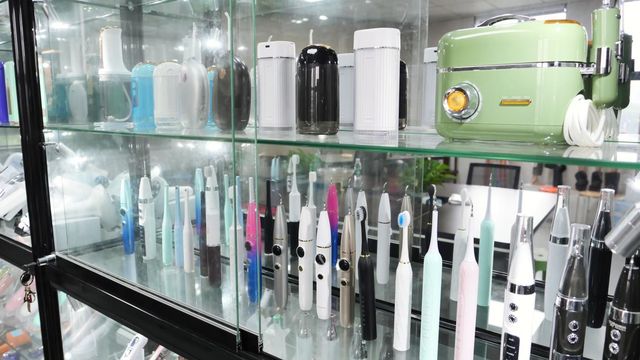
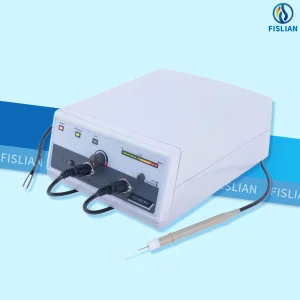
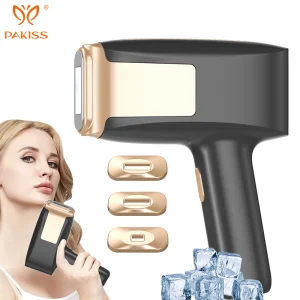
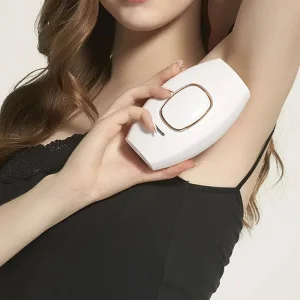
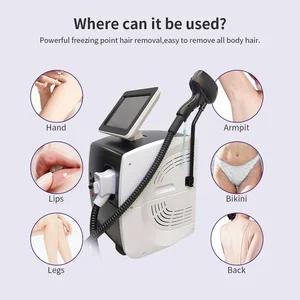
Professional Personal Care & Hair Removal Equipment
Explore our advanced clinical-grade systems engineered for home use, featuring high-energy output, skin sensing, and active cooling technologies.
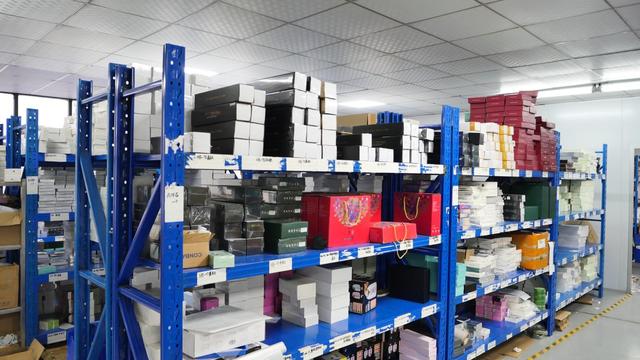
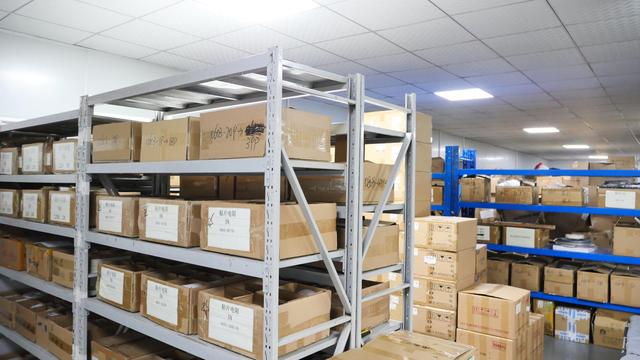
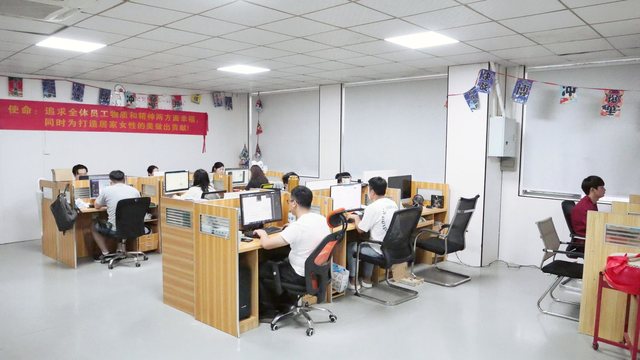
State-of-the-Art Manufacturing Facilities & Quality Control
Take a look inside our dust-free workshops, advanced SMT assembly lines, and precision testing labs.