Featured Optical Epilation & Laser Systems
Executive Overview: The Paradigm Shift in Epilation Physics
The global medical-aesthetic and personal care industry is experiencing a rapid technological transition. Distributors, brand owners, and clinic networks are increasingly tasked with deciphering the structural and physics-based differences between Coherent Laser Systems and Broadband Incoherent Light Technologies (IPL, DPL, BBL). As a leading manufacturer, Shenzhen Xtrim Beauty Co., Ltd. delivers this technical analysis to enable strategic procurement decisions based on quantifiable optical characteristics, structural safety, and downstream margin optimization.
“Our focus is simple: engineering optical devices that achieve clinical clearance while maintaining unit economics that allow global distributors to capture and dominate their target markets.” — Shenzhen Xtrim Beauty Engineering Group.
Technology Roadmap: Diode Laser vs. IPL vs. DPL vs. BBL
Every hair removal method operates by targeting target chromophores (specifically melanin in the hair follicle and oxyhemoglobin in the nourishing microvasculature). However, the coherence, spectral density, and emission path of each technology dictate its clinical safety margin and patient demographic compatibility.
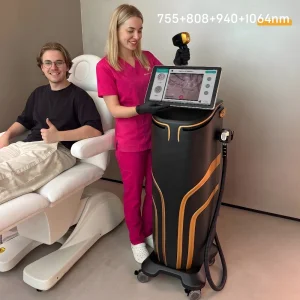
1. Coherent Diode Lasers (755nm / 808nm / 940nm / 1064nm)
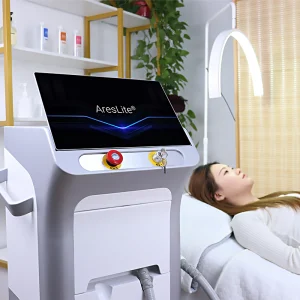
Diode laser hair removal systems utilize single-wavelength, coherent light. Unlike broad-spectrum flashlamps, a diode stack outputs light that undergoes minimal divergence, focusing energy directly onto the follicular bulb. Modern systems utilize multi-wavelength arrays (typically blending 755nm for shallow eumelanin absorption, 808nm as the universal golden standard, 940nm to target micro-vessel supply, and 1064nm for safe penetration in Fitzpatrick Skin Types V and VI).
2. Intense Pulsed Light (IPL) & BroadBand Light (BBL)
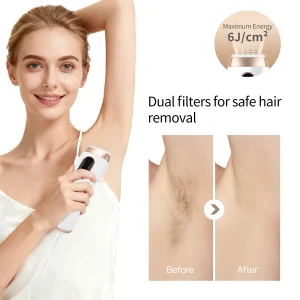
IPL uses non-coherent, high-intensity xenon flashlamps emitting broad wavelengths (typically 500nm–1200nm). Optical filters are integrated to block shorter, damaging UV wavelengths. BBL (BroadBand Light) advances traditional IPL by utilizing dual-lamp setups and highly precise pulse-width configurations. While less targeted than lasers, BBL and IPL are versatile, enabling dual-protocol operations such as follicular epilation and dermis-level skin rejuvenation (photofacials).
3. Dye Pulsed Light (DPL)
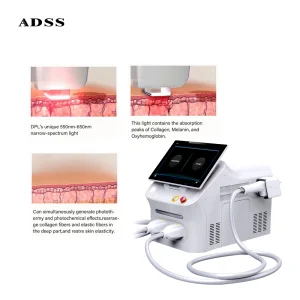
DPL represents the evolution of intense light technologies. By narrowing the spectrum to a precise window (usually 500nm–600nm or 550nm–650nm), DPL replicates the targeting efficiency of lasers (specifically dye lasers) using pulsed light technology. This makes DPL highly effective for target pigmentations and vascular structures, presenting an excellent hybrid option for premium medical-aesthetic spas.
| Optical Metric | Diode Laser (808nm Stack) | Intense Pulsed Light (IPL) | Dye Pulsed Light (DPL) | BroadBand Light (BBL) | |
|---|---|---|---|---|---|
| Coherence & Wave | Coherent, Collimated Single-Wave | Incoherent, Divergent Broad-Spectrum | Incoherent, Narrowed-Spectrum | Incoherent, Controlled Broad-Spectrum | Targeted Single-Wave Laser |
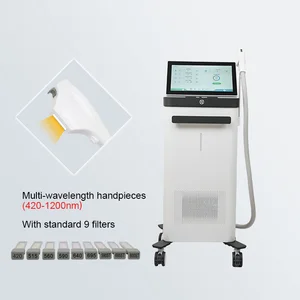
| Typical Wavelengths | 755nm, 808nm, 940nm, 1064nm | 515nm – 1200nm (Filtered) | 500nm – 600nm / 550nm – 650nm | 420nm – 1200nm (Dual-Lamp) | Single-Wave Coherent Output |
| Max Safe Energy Density | Up to 120 J/cm² (Salon Workstation) | 5 J/cm² (Home) to 28 J/cm² (Salon) | 15 J/cm² – 35 J/cm² | Up to 40 J/cm² | Concentrated Thermal Flux |
| Target Chromophore | Melanin (Melanosomes in Shaft) | Melanin & Hemoglobin | Hemoglobin & Shallow Melanin | Melanin, Hemoglobin & Water | Highly Selective Target |
| Best Suited Fitzpatrick | Types I to VI (Highly adaptable) | Types I to IV (Risk of burn in darker skin) | Types I to IV (Highly pigment-selective) | Types I to V (Controlled cooling dependent) | System-Specific Configurations |
Macro Industry Solutions: Aligning Tech to Market Portfolios
Selecting the correct technology stack depends heavily on the destination market's regulatory landscape, end-user profile, and distribution channel.
Clinical Workstation Operators
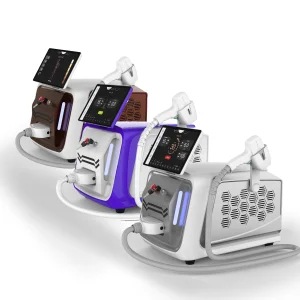
Requires high-power 2000W multi-wavelength diode platforms. Constant throughput mandates premium compressor-based active refrigeration to prevent handpiece crystal condensation and ensure continuous clinical service.
D2C Brands & E-commerce Sellers
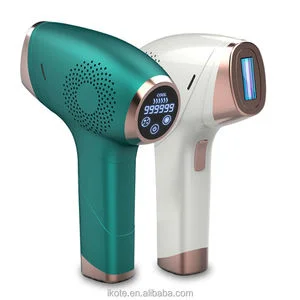
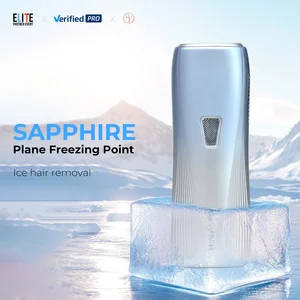
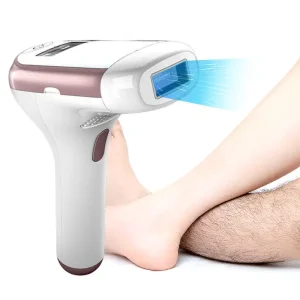
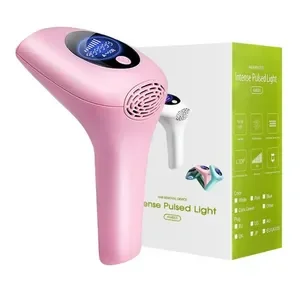
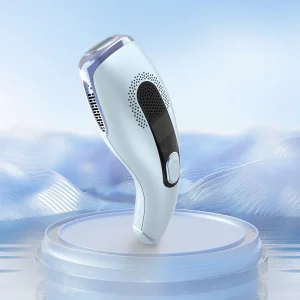
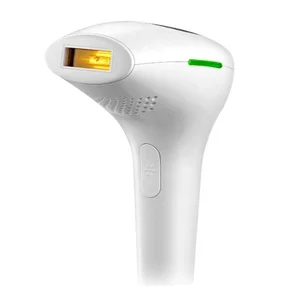
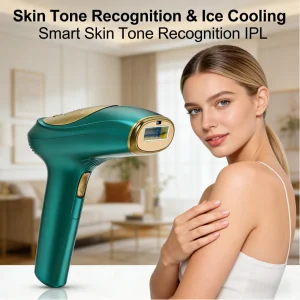
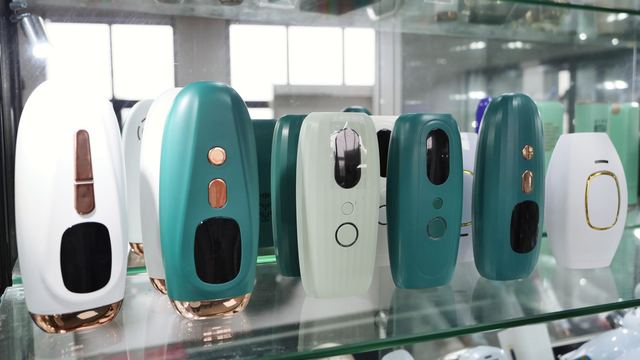
Optimal fit: High-energy, handheld home-use IPL systems equipped with smart skin sensors and sapphire ice-cooling windows. Focuses on compliance certifications (FCC, CE, RoHS) and compact product design.
Dermatology Clinics & Spas
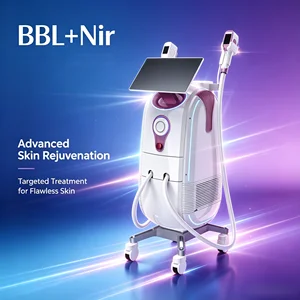
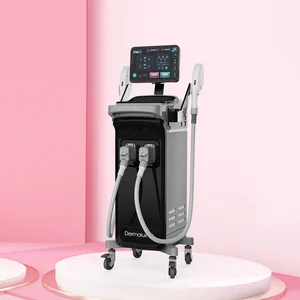
Requires high-output DPL and BBL multifunctional consoles. The flexibility to offer skin rejuvenation, acne therapy, and hair removal from a single platform optimizes clinic footprint and elevates ROI.
China Factory 4.0: Supply Chain Resilience & Cost-Efficiency
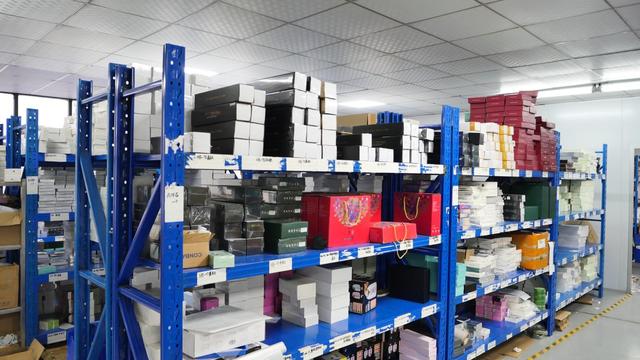
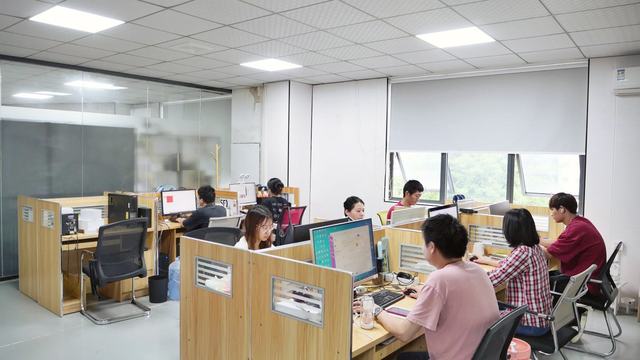
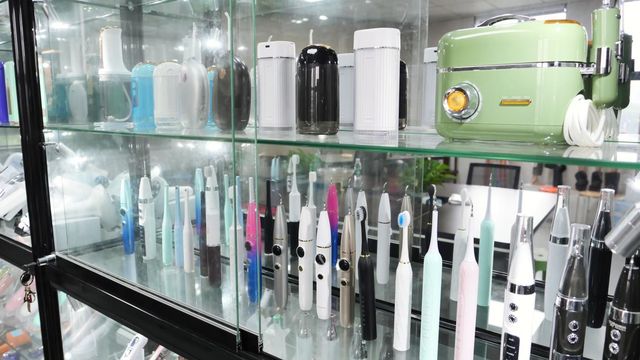
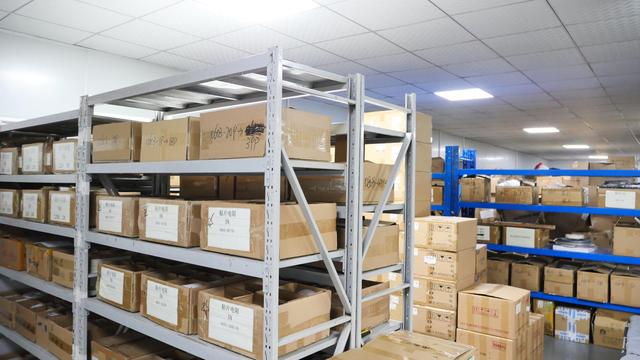
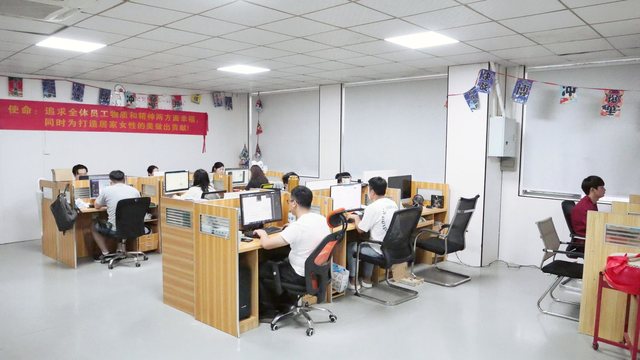
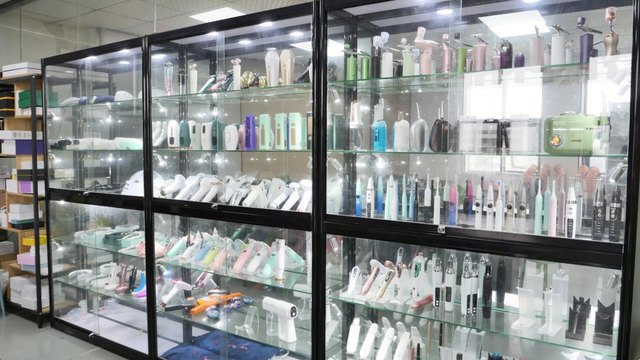
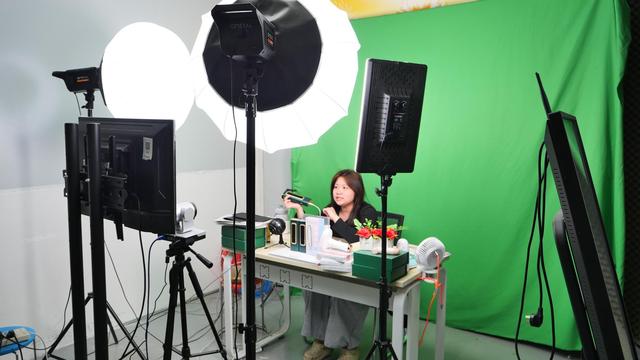
Operating modern manufacturing facilities in Shenzhen, China's core high-tech center, allows Shenzhen Xtrim Beauty Co., Ltd. to combine precision engineering with optimized production speeds.
Inside Shenzhen Xtrim Beauty: Production Facilities

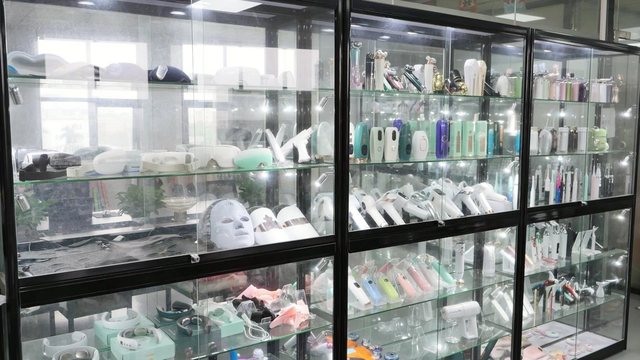
Local Support & Global Compliance Assurance
Entering major consumer markets (North America, European Union, United Kingdom, and South America) requires strict compliance with optical and electronic safety regulations.
Our post-purchase support structure ensures minimal operational downtime. We offer spare parts supply, modular handpiece replacement kits, and online engineering support to keep clinics and distribution lines running smoothly.
Technological Roadmap: The Future of Light-Based Epilation
The future of aesthetic device engineering lies in the integration of real-time diagnostics and advanced optical systems. We are focusing research and development on three main areas:
1. Real-Time AI Skin Tone Detection
Integrating skin-tone sensors with real-time feedback loops prevents accidental burns. These sensors scan the targeted area, dynamically adjusting energy output based on Fitzpatrick skin type scales.
2. Non-Crystal Waveguide Arrays
By redesigning the optical path to bypass traditional light-guiding crystals, new diode platforms achieve greater energy efficiency. This reduces thermal dissipation and increases the lifespan of the handpiece.
3. IoT Cloud Integration for Salon Fleets
Enterprise customers managing multiple clinics benefit from IoT-enabled consoles. Our developmental roadmap includes cloud monitoring platforms that track flash counts, handle remote troubleshooting, and alert owners when maintenance is needed.
B2B Procurement QA (Frequently Asked Questions)
Advanced Home Use & Salon Epilation Systems