IPL hair removal is often described as a quick snap against the skin. For some people, it feels mild; for others, each flash can feel sharp and hot. Hair density, skin sensitivity, treatment area, and device settings all influence that experience. This guide examines how to reduce pain during IPL hair removal through practical, safety-focused methods.
The seven approaches include careful preparation, suitable cooling, correct device settings, and thoughtful aftercare. Shaving the area beforehand can prevent burnt hair from creating extra heat. A clean, dry surface also helps the IPL device work more consistently. However, preparation is not a promise of painless treatment. Personal comfort can still vary widely.
Small details matter. A cool gel pack may calm warm skin after treatment, while loose clothing can reduce friction on sensitive areas. Never ignore unusual pain, blistering, or intense redness. Stop using the device and seek professional advice when these symptoms appear. Home IPL products should follow the manufacturer’s instructions, including patch testing and recommended treatment intervals. Qualified practitioners can provide more individualized guidance, especially for darker skin tones, sensitive skin, or existing medical conditions. Some tips may work brilliantly for one person and poorly for another. That limitation deserves honesty. Safe, gradual treatment is more important than forcing a higher intensity.
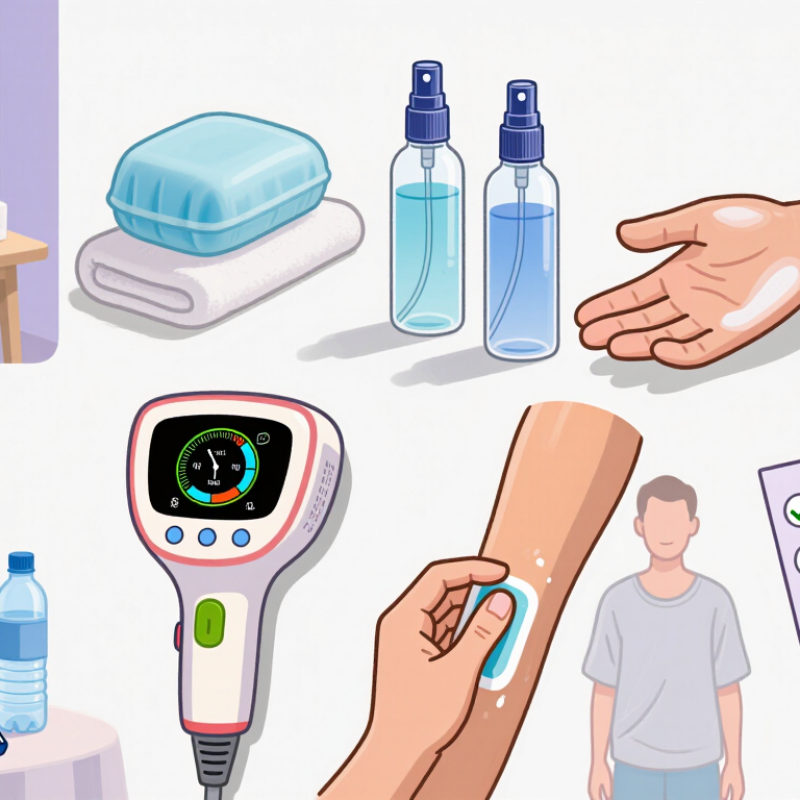
7 Best Ways to Reduce Pain During IPL Hair Removal?
IPL discomfort depends on how light interacts with melanin. Melanin absorbs the flash and converts it into heat. Darker hair usually absorbs more energy than lighter hair. Skin melanin can absorb energy too, especially after tanning. This may create sharper heat or increase irritation. A trained professional should assess skin tone, hair colour, and recent sun exposure.
Fluence means the light energy delivered to a treatment area. Higher fluence can improve results, but it may also feel hotter. Pulse duration changes how quickly that energy reaches the skin. A longer pulse can sometimes spread heat more gently, while a shorter pulse may feel sharper. The safest balance is personal, not automatic. I used to assume lower settings always meant better comfort. That is incomplete. Poorly matched settings can require more sessions and repeated discomfort.
Tips: Shave the area beforehand, but avoid waxing or plucking. Clean, dry skin helps light reach the hair follicle consistently. Ask about a small patch test before full treatment. Cooling the skin before and after each pulse may reduce stinging. Take slow breaths. Relaxed muscles can make brief flashes feel easier. Avoid treatment over irritated, sunburned, or recently tanned skin. Stop and seek professional advice if pain becomes intense, blistering appears, or redness worsens. Expect some variation. Comfort is not a perfect science.
Shave 24–48 hours before an IPL session, leaving the skin smooth but not freshly scraped. Long hairs can absorb light above the skin and create extra heat, like a tiny singed thread. Avoid waxing, plucking, or epilating beforehand, because IPL needs the follicle’s pigment target. The American Academy of Dermatology Association reports that hair reduction commonly requires six or more treatments, so preparation matters repeatedly, not just once.
Keep the area clean and dry. Skip retinoids, exfoliating acids, strong fragrances, and essential oils for several days, unless a clinician gives different advice. Some medicines, including certain antibiotics, increase light sensitivity; never stop prescribed treatment without medical guidance. Tell the practitioner about every medication and recent sun exposure. A small patch test, conservative energy setting, protective eyewear, and a cooling pack can reduce discomfort. Cooling is simple. It still helps.
Professional reviews describe brief heat, stinging, and redness as common short-term reactions, while blistering is uncommon when suitable settings are used. The FDA requires cleared light-based devices to include specific safety labeling, but home and clinic results still depend on skin tone, hair color, and operator training. I would not treat “no pain” as proof of safety. Persistent burning, swelling, or blistering needs prompt medical assessment. Evidence is useful, yet imperfect; individual skin can respond differently.
Cooling can make IPL treatment feel more manageable. Aim to lower the skin surface temperature by 5–15°C before each pulse. Use a clean, cool gel pack or a device-approved cooling method. Never place ice directly on bare skin. The cold should feel soothing, not painfully numb. Hold cooling briefly, then check the area for unusual redness or pale patches. A small patch test helps reveal how your skin reacts.
Keep cooling available during treatment. Cool each section again between pulses, especially over sensitive areas such as the bikini line or ankles. Apply it immediately after every pulse when warmth builds quickly. Lower energy settings may also reduce discomfort, but they can require more sessions. Follow the device instructions carefully. Do not treat recently tanned, irritated, scratched, or sunburned skin. Stop if pain becomes sharp, blistering, or unexpectedly intense.
Tips: Clean and dry the skin first. Shave, rather than wax, before treatment. Avoid perfumed products afterward. A cool, damp cloth can calm mild heat for several minutes. I used to assume colder was always better; that is a risky shortcut. Excessive cooling can hide warning signs or injure sensitive skin. Record the setting, cooling time, and skin response after each session. This simple note can guide safer adjustments next time.
7 Best Ways to Reduce Pain During IPL Hair Removal
Pain during IPL hair removal varies with skin tone, hair density, body area, and device settings. A qualified practitioner should review your medical history and adjust the energy level carefully. Shaving the area one day before treatment can reduce pulling and surface heat. Arrive with clean, dry skin, without perfume, oils, or active skincare ingredients.
Approved 2.5–5% lidocaine may help, but use it only under professional guidance. A clinician should confirm the product, application time, treatment area, and your allergy history. Never apply it to broken skin or cover it tightly unless directed. Do not use excessive amounts or unverified mixtures. More is not safer. That assumption can be risky. Follow local medical advice and the product instructions exactly.
Cooling the skin before and after each flash may improve comfort. Some clinics use a chilled tip or controlled cooling system. Ask for lower settings when treating sensitive areas, although this may require more sessions. Communicate immediately if the sensation changes from warmth to sharp pain. Slow breathing and short pauses can also help. After treatment, use a gentle moisturizer and avoid hot showers, intense exercise, and direct sun exposure for the recommended period. Individual responses differ, and even careful preparation cannot remove every uncomfortable moment.
| Pain-Reduction Method | How It May Help | Practical Use | Safety and Professional Guidance |
|---|---|---|---|
| 1. Use integrated cooling | Cooling the skin before and immediately after each light pulse can reduce heat-related discomfort and help protect the epidermis. | Use the device’s approved cooling system or a professional cooling method before, during, and after treatment. | Cooling should not cause frostbite, excessive numbness, or prolonged redness. A trained provider should select the appropriate cooling level. |
| 2. Choose conservative, individualized settings | Energy, pulse duration, and repetition rate influence heat and discomfort. Settings matched to skin tone, hair color, hair thickness, and treatment area are generally better tolerated. | Ask the operator to perform a consultation and test patch before treating a larger area, especially when using IPL for the first time. | Higher energy is not automatically more effective. Only a qualified professional should adjust treatment parameters. |
| 3. Shave rather than wax or pluck | Shaving leaves the hair follicle in place for IPL while reducing visible hair above the skin that could absorb extra light and create more surface heat. | Follow the clinic’s timing instructions; many protocols recommend shaving shortly before treatment while avoiding methods that remove the root. | Do not treat irritated, cut, inflamed, or recently waxed skin. Use a clean razor and avoid aggressive exfoliation. |
| 4. Avoid tanning and recent UV exposure | Recently tanned skin contains more pigment, which can absorb IPL energy and increase the risk of pain, burns, and unwanted pigment changes. | Disclose recent sun exposure, tanning-bed use, or self-tanner during the consultation and follow the provider’s required avoidance period. | Do not proceed if the skin is sunburned or visibly irritated. Use broad-spectrum sunscreen and protective clothing between sessions. |
| 5. Consider approved topical lidocaine only under professional guidance | A topical anesthetic may temporarily reduce sensation at the skin surface, but it does not eliminate all IPL discomfort and is not suitable for everyone. | Use only an approved product containing 2.5–5% lidocaine when specifically directed by a qualified healthcare professional. Follow the exact amount, contact time, and removal instructions. | Never apply excessive amounts, cover large areas without medical direction, use on broken skin, or combine anesthetic products. Stop and seek medical advice for dizziness, ringing in the ears, unusual drowsiness, breathing difficulty, or severe skin reactions. |
| 6. Communicate throughout the session | Immediate feedback allows the operator to pause, improve cooling, check the skin, or reassess the settings before discomfort becomes excessive. | Agree on a stop signal and report sharp, escalating, or burning pain rather than trying to tolerate it silently. | A brief snapping or warming sensation can occur, but persistent intense pain is not something to ignore. Treatment should be paused when clinically appropriate. |
| 7. Use gentle aftercare | Reducing heat, friction, and irritants after treatment can make temporary tenderness, warmth, or redness more comfortable. | Use a cool, clean compress if advised, avoid hot baths, saunas, vigorous exercise, tight clothing, and fragranced products until the skin settles. | Protect treated skin from sunlight and follow the provider’s instructions. Seek medical care for blistering, increasing pain, spreading swelling, or significant color changes. |
Important: IPL is not appropriate for every person or skin condition. A qualified healthcare or light-based treatment professional should review medications, skin sensitivity, recent tanning, and medical history before treatment. Topical lidocaine must be used only when legally approved and professionally directed.
Reducing IPL hair-removal pain starts with controlling fluence, not simply tolerating discomfort.
Fluence is the energy delivered to the skin. Begin at a conservative setting, especially during the first session or after a long treatment break. Test a small area and wait for the skin’s response.
A warm snap is common.
Sharp, lingering pain is not.
Aim for a tolerable 0–3/10 pain score,
where the skin feels warm but remains manageable.
Increase fluence gradually only when the previous level causes no persistent redness, swelling, or burning. More energy does not always mean better results.
Tips:
Clean and dry the area before treatment. Shave visible hair, but avoid waxing beforehand. Use the device’s cooling feature when available. Press the applicator evenly against the skin. Do not repeatedly treat the same spot. Keep a simple record of fluence, body area, and pain level. This makes adjustments more reliable.
Skin response can vary with hair thickness, pigmentation, hormones, and recent sun exposure. I have found that rushing the setting often creates unnecessary discomfort and uneven treatment.
Still, a pain score is subjective, and a calm 3/10 for one person may feel intense to another. Stop if pain becomes sharp or continues after the pulse.
Seek qualified medical advice for blistering, significant swelling, or unusual discoloration.
Allow the skin to settle before changing the fluence again.
Scheduling IPL sessions every 4–6 weeks can reduce heat-related discomfort. This interval allows treated skin to recover before another pulse of light. It also matches the active growth cycle of many hairs. Treating too soon may increase tenderness without improving results. However, timing can vary by body area, hair type, and device instructions.
A common mistake is chasing faster results with weekly sessions. More frequent treatment does not always mean better treatment. Follow the recommended schedule from a qualified practitioner or the device’s clinical guidance. Before each appointment, shave the area and keep the skin clean and dry. Avoid tanning and strong exfoliation beforehand. During treatment, cooling the skin can help. Start with a lower comfortable setting, then adjust only when appropriate. Stop if you feel sharp pain, burning, or unusual swelling.
Tips: Choose late-day appointments when possible, so mild redness can settle overnight. Wear loose clothing after treatment. Use a cool, clean compress for several minutes. Avoid hot baths, intense exercise, and fragranced products for 24 hours. Do not apply numbing cream unless a healthcare professional approves it. A small patch test matters. Skin can react differently from one session to another. Even with careful planning, discomfort may not disappear completely. That is worth remembering.
Melanin absorbs each flash and changes light into heat. Dark hair usually absorbs more energy. Tanned skin may absorb more too.
Fluence is the light energy delivered to an area. Higher fluence may feel hotter. Longer pulses can spread heat more gently. Shorter pulses may feel sharper.
Yes. Shave the area beforehand. Clean, dry skin helps light reach the hair follicle consistently. Avoid waxing or plucking.
Ask for a small patch test before treating the full area. Skin can react differently between sessions. This step is easy to overlook.
Many sessions are spaced about four to six weeks apart. This allows recovery and follows common hair-growth cycles. Weekly treatment may increase tenderness without improving results.
Cooling before and after pulses may reduce stinging. Breathe slowly. Relaxed muscles can make brief flashes easier to tolerate. It may still sting.
Avoid treatment over sunburned, irritated, or recently tanned skin. Strong exfoliation should also wait. Healing skin needs time.
Wear loose clothing and use a cool, clean compress for several minutes. Avoid hot baths, intense exercise, and fragranced products for 24 hours.
Stop if pain becomes intense or feels like burning. Seek advice for blisters, unusual swelling, or worsening redness. Lower settings are not always kinder.
Learning how to reduce pain during IPL hair removal starts with understanding how the treatment works. Melanin absorbs the light energy, while fluence and pulse duration influence how much heat reaches the skin. Shaving 24–48 hours beforehand can help energy target the hair more efficiently, and avoiding photosensitizing products before treatment may reduce irritation. Cooling the skin to approximately 5–15°C before, during, and after each pulse can also improve comfort and limit heat-related discomfort.
For additional pain control, a 2.5–5% lidocaine product should only be used under professional guidance and according to safety instructions. Treatment settings should be adjusted gradually, aiming for a tolerable pain level of about 0–3 out of 10 rather than using excessive energy. Scheduling sessions every 4–6 weeks allows the skin to recover and may make future treatments more comfortable. If pain is severe or unusual, treatment should stop and a qualified professional should assess the skin.
