IPL can make skin feel smoother, yet a few dark hairs may return weeks later. That does not always mean the treatment failed. IPL works best on hairs in an active growth phase, while other follicles may be resting during a session. This helps explain why does hair grow back after IPL treatment, even when you follow the schedule carefully.
Board-certified dermatologist Dr. Hadley King has explained that IPL targets pigment in hair follicles, so results depend partly on hair color and growth stage. In practical terms, pale or fine hairs may respond less reliably than coarse, dark hairs. Several sessions, spaced as directed, are often needed. Timing matters.
To help maintain results, follow your provider’s recommended treatment interval and avoid plucking or waxing between sessions; shaving is generally less disruptive to the follicle. Use sun protection on treated areas, and ask a qualified clinician before changing settings or treating sensitive skin. A hormonal shift can also bring new growth, especially around the chin or jaw. Sometimes the cause is not obvious.
Be patient, but keep realistic expectations. IPL can reduce regrowth without permanently preventing every hair from returning. Track changes with simple notes or photos in consistent lighting; a bathroom mirror can make fine hairs easy to miss. If growth becomes sudden, widespread, or unusual for you, discuss it with a dermatologist. Small adjustments may help, but repeating treatment more often than advised is not automatically better. That part deserves reflection.
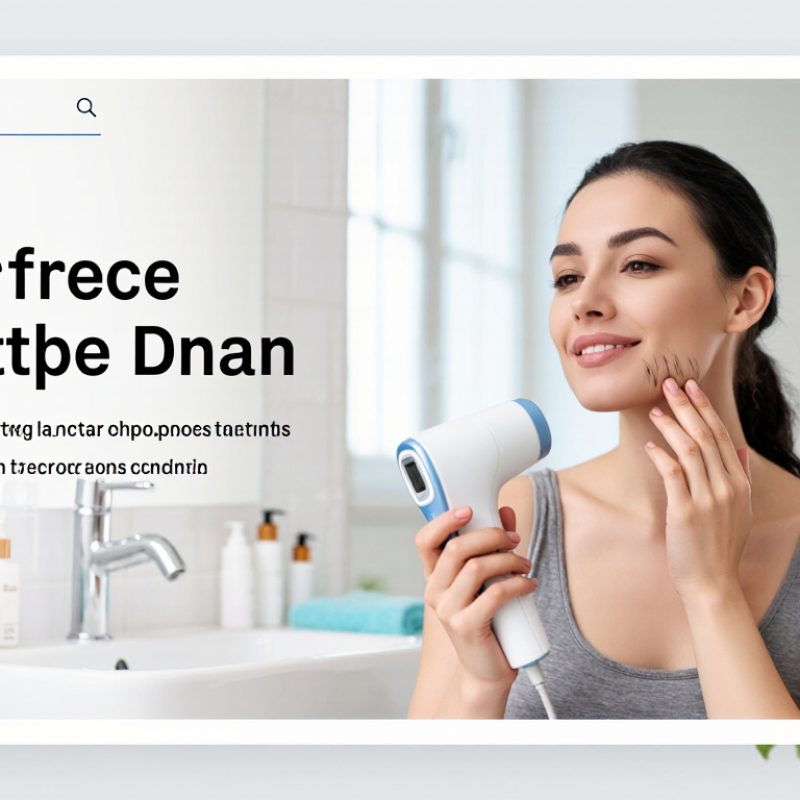
IPL sends broad pulses of light into the skin. Pigment in growing hairs absorbs some of that light, which creates heat and can damage the follicle. The effect is strongest when a hair is actively growing. Not every follicle is in that phase at once, so one session cannot treat every hair. That is why a series of sessions, spaced according to a qualified provider’s advice, is usually needed.
Regrowth can happen when untreated follicles enter an active growth phase later. Hormonal changes, hair color, skin tone, and treatment settings can also affect results. Fine or light-colored hairs may respond less because they contain less pigment. The frustrating part is that progress can look uneven: a few hairs may return while nearby areas stay smooth. That does not automatically mean the treatment failed.
To reduce regrowth, follow the recommended schedule and ask a trained provider to review settings if results stall. Shaving between sessions is generally preferred over waxing or plucking, which can remove the hair IPL targets. Avoid tanning and follow the provider’s skin-care instructions to reduce irritation. Maintenance sessions may help, but IPL cannot promise permanent hair removal. One detail is easy to miss: changes in hair growth deserve a closer look, not simply stronger treatment.
IPL works best on pigmented hairs in the active growth (anagen) phase. Because follicles cycle through growth phases at different times, some hairs may be missed during a session and appear later. The chart shows typical scalp-hair phase durations; body-hair cycles vary.
Durations are approximate and vary between people and body areas. The horizontal axis is logarithmic to make both short and long phases visible. IPL can reduce hair growth, but results vary and maintenance treatments may be needed.
IPL works best when sessions are timed to catch hairs during their active growth phase. Because not all hairs grow together, one treatment usually cannot affect every follicle. Follow the interval in your device instructions or your clinician’s plan; schedules vary by device, skin tone, and treatment area.
Keep a simple calendar. For example, note each session and check the treated area in the same lighting a few weeks later. That helps you track changes without mistaking normal shedding for new growth.
Do not add extra sessions when you notice a few hairs returning. More frequent flashes may irritate skin without improving results. Before each appointment, shave as instructed, and avoid waxing or plucking if the treatment guidance says roots should remain intact. Skin should be clean and free of irritation.
Be patient. Hair may shed gradually, and some regrowth is common; maintenance sessions may be needed. If redness, blistering, or lasting discomfort occurs, stop treatment and seek medical advice before resuming.
I would not treat the calendar as a promise—individual results differ, and careful spacing matters more than rushing.
IPL can reduce hair growth over time, but it cannot guarantee that hair will never return. Results depend on hair color, skin tone, hormones, and consistent treatment. Prepare carefully; irritated or recently tanned skin may react more easily. Clean and dry the area, then shave if your device instructions recommend it. Do not wax or pluck beforehand, since IPL needs the hair root beneath the skin. Check the device’s skin-tone guidance, and test a small patch first. Wait 24 hours to check for a reaction.
Tips: Avoid tanning before and after treatment, and protect treated skin from direct sun. Keep the area free of lotions and deodorant during a session. Small details matter.
Use the device only at the recommended setting and schedule. Place its window flat against the skin, and move methodically so you do not miss spots or flash the same patch repeatedly. More flashes do not mean faster results. Wear eye protection if the instructions call for it, and never treat tattoos, very dark spots, or broken skin unless the device specifically permits it. Mild warmth can occur, but stop if you feel sharp pain or notice blistering. I’ve found that keeping a simple session log helps prevent rushed repeats; it is easy to forget which areas were treated. Follow the device’s aftercare directions, and ask a healthcare professional if you have a skin condition or an unusual reaction.
After IPL, careful aftercare protects the treated skin, but it cannot guarantee that hair will never return. Hair grows in cycles, so several sessions may be needed, and some regrowth can happen over time. Follow the schedule and instructions provided by your qualified practitioner.
Keep the area cool for the first day or two, and use a clean, cool compress if it feels warm. Wash gently with lukewarm water and a mild cleanser. Pat dry; do not scrub or pick at the skin. Small details matter.
For several days, avoid hot showers, saunas, intense workouts, and fragranced products if the skin remains sensitive. Protect exposed areas from direct sun with clothing and broad-spectrum sunscreen, following your practitioner’s guidance. Do not wax or pluck between sessions, since these methods remove the hair root needed for treatment; ask whether shaving is suitable for you.
I used to think aftercare was mostly about comfort. That misses the point: irritated or sun-exposed skin may need professional attention. Contact your practitioner if you notice blistering, worsening pain, or unusual swelling, rather than trying random home remedies. Skin can be unpredictable.
After IPL treatment, hair may shed gradually over one to three weeks. A few visible hairs during this period do not always mean the treatment failed. Hair grows in cycles, so some follicles may not respond during a single session. Regrowth can happen. Its timing and density vary by person, treatment area, and underlying factors.
Keep a simple record between sessions. Note when you treated the area, when hairs appeared, and whether growth looks finer or denser. A monthly photo in similar lighting can be more useful than checking every day. Avoid extra sessions just because you notice stubble; follow the schedule provided by a qualified professional or the device instructions. I would not judge results from one patch alone. Skin irritation can also make close inspection confusing.
Seek professional advice if hair keeps returning after a completed treatment plan, becomes noticeably coarser, or grows in a new pattern. A dermatologist or trained IPL practitioner can review your settings, skin response, and possible influences such as hormonal changes or medication. Ask promptly about blistering, persistent pain, marked swelling, or pigment changes. Bring your treatment dates and photos. Small details help. Don’t increase treatment frequency without guidance.
Hair grows in different cycles, so one session may miss some follicles. Follow the device instructions or your clinician’s plan. Avoid rushing.
No. IPL may reduce hair growth over time, but some regrowth is common. Results vary with hair color, skin tone, hormones, and consistent use. Maintenance may be needed.
Clean and dry the area. Shave if the instructions recommend it. Avoid waxing or plucking when roots need to remain intact. Small details matter.
Yes. Treat a small area and wait 24 hours. Check for a reaction before treating a larger area.
Avoid tanning, and protect treated skin from direct sunlight. Keep lotions and deodorant off the area during treatment.
Hold the treatment window flat and move methodically. Do not flash the same patch repeatedly. A simple session log can help; I still find tracking imperfect.
Mild warmth can occur. Stop if you feel sharp pain or notice blistering. Seek medical advice for lasting discomfort or redness before resuming.
Note each session on a calendar. Check the area in the same lighting a few weeks later. Hair may shed gradually, so changes can be easy to misread.
IPL reduces hair growth by targeting pigment in the hair and weakening follicles that are in an active growth phase. Because hairs grow in cycles, one session cannot affect every follicle, and some may be missed or only partially reduced. So, why does hair grow back after IPL treatment? Regrowth can happen when dormant follicles become active, when treatment sessions are spaced too far apart, or when settings and technique are not suitable for your skin and hair.
Follow the recommended treatment schedule and use the device as directed on clean, prepared skin. Avoid treating irritated or recently exposed skin, and follow aftercare guidance, such as limiting sun exposure and keeping the area comfortable. Track changes in hair growth over time rather than expecting immediate, permanent results. If regrowth seems unusual, persistent, or accompanied by skin irritation, pause treatment and seek advice from a qualified professional.
