In 2026, consumers still ask, “what are side effects of IPL hair removal?” The answer depends on skin tone, hair color, device settings, treatment area, and operator experience. IPL uses broad-spectrum light to heat melanin around the hair follicle. That heat can also affect nearby skin.
Common reactions include temporary redness, warmth, swelling, itching, and mild tenderness. These effects often resemble a light sunburn and usually settle within hours or several days. The American Academy of Dermatology Association warns that incorrect settings may cause burns, blisters, pigment changes, or scarring. Darker skin requires particular care because it contains more melanin. That melanin can absorb excess light.
Serious reactions are less common, but they deserve attention. Post-inflammatory hyperpigmentation may appear as brown patches after irritation. Hypopigmentation can create lighter spots. Rarely, paradoxical hypertrichosis may cause increased hair growth near the treated area. Eye injuries are also possible when IPL is used near the face without suitable protection.
The United States Food and Drug Administration’s MAUDE database records reported device problems and injuries. However, it does not provide a complete population-wide risk rate. That limitation matters. A 2023 systematic review in Dermatologic Surgery also found that adverse-event reporting varies between studies, devices, and treatment protocols. Evidence exists, but it is not perfectly uniform.
A qualified clinician should review medications, recent tanning, skin sensitivity, and medical history before treatment. Patch testing can reveal unexpected irritation before a larger session. Never treat changing moles, active infections, or damaged skin without professional advice. The safest expectation is gradual hair reduction, not instant perfection. Careful settings matter. Questions should come before flashes.
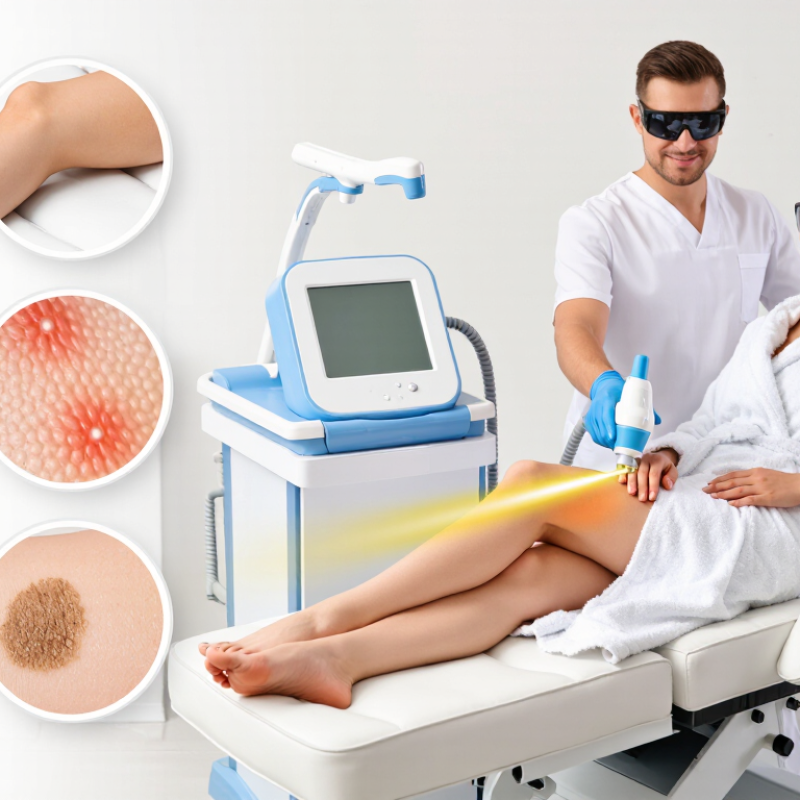
IPL hair removal uses pulses of broad-spectrum light to reduce unwanted hair growth. IPL means intense pulsed light. Unlike a single-wavelength laser, it releases several wavelengths in each flash.
The light is absorbed mainly by melanin, the pigment in the hair shaft. That energy becomes heat and travels toward the follicle. Controlled heat can weaken the follicle and slow future growth. It does not remove every hair permanently. Hair grows in cycles, and IPL works best during the active growth stage. Several treatments are usually needed, spaced weeks apart. Results vary with hair color, skin tone, hormones, and treatment settings.
From a clinical safety perspective, correct settings matter more than speed. A trained professional should assess the skin first and perform a small patch test. Many people notice temporary redness, warmth, or mild swelling around each follicle. These effects often settle within hours. Incorrect use can cause burns, blistering, pigment changes, or eye injury. Darker skin may need extra caution because surrounding melanin can absorb more light. Very light, gray, red, or white hair may respond poorly.
It is not magic.
Real-world results can be uneven. One area may become smoother while scattered hairs return later. I would question any promise of effortless, permanent hair removal. Skin history, recent tanning, medications, and aftercare all deserve honest discussion before treatment.
Intense Pulsed Light (IPL) uses broad-spectrum flashes of light. Melanin in the hair absorbs the light and converts it into heat, which can damage the growing hair follicle.
The chart shows commonly reported recovery ranges rather than guaranteed outcomes. Mild redness and perifollicular swelling often resolve within one to three days. Crusting or temporary pigment changes may last longer, especially after excessive energy exposure, tanning, or treatment of darker skin tones. Persistent pain, blistering, scarring, or rapidly worsening color changes should be assessed by a qualified medical professional.
Mild redness is the most common reaction after IPL hair removal. Skin may look sunburned around each treated follicle. A 2024 review in Lasers in Medical Science identified temporary erythema, swelling, and warmth as frequent short-term effects. These reactions often fade within several hours, although sensitive skin may remain pink for two days. It can feel tender.
Small bumps may appear around the hairs. They usually reflect temporary follicular swelling, not infection. Some people also report dryness, itching, or brief stinging during treatment. The American Academy of Dermatology warns that darker skin can face a higher risk of burns or pigment changes.
Hyperpigmentation may appear as brown patches, while hypopigmentation creates lighter spots. These changes can last weeks or longer.
Rare complications include blistering, crusting, scarring, and paradoxical hair growth near the treated area. The FDA’s MAUDE database contains adverse-event reports, but it cannot calculate true treatment rates. That limitation matters.
Published studies also use different devices, energy settings, and follow-up periods, making comparisons imperfect. A qualified practitioner should review recent tanning, medications, skin tone, and previous reactions before treatment.
Cooling the skin and avoiding heat exposure afterward may reduce discomfort, but they cannot remove every risk.
Short-term skin reactions after IPL hair removal are usually mild and temporary. During treatment, you may feel quick snaps, warmth, or a mild rubber-band sensation. The treated area can look pink or flushed, like skin after gentle sun exposure.
Redness often settles within a few hours, although sensitive areas may remain pink for one or two days. Small, raised bumps around the hair follicles can also appear. This perifollicular swelling is a common response and may resemble tiny goosebumps. Mild tenderness, tightness, itching, or dryness can follow.
A cool, clean compress may reduce heat and discomfort. Use gentle skincare and avoid hot showers, intense exercise, tanning, and fragranced products for the first day. Your practitioner may recommend specific sun protection, especially for exposed areas. Skin type, treatment settings, hair thickness, and recent sun exposure can change the reaction.
The skin does not always follow the textbook. Occasional crusting, blistering, marked swelling, or darkened or lightened patches need prompt professional assessment. These reactions are not expected after routine treatment, but they can occur when settings, preparation, or healing conditions are unsuitable. Seek medical advice if pain increases, redness spreads, or symptoms continue beyond several days. A patch test and an honest discussion about medications or skin conditions improve safety.
Most IPL hair-removal effects are temporary: warmth, redness, swelling, or small follicle bumps. They usually settle within one to three days. However, severe pain is not a normal treatment response. I would not dismiss it as “just sensitive skin.”
Rare complications need prompt medical assessment. Blisters, open wounds, spreading redness, pus, fever, or increasing tenderness may indicate a burn or infection. Dark or pale patches can appear after skin injury, especially on darker skin tones. Scarring is uncommon, but it can occur after excessive energy or poor cooling. Eye pain, light sensitivity, blurred vision, or new floaters require urgent eye care. Do not continue treatment while these symptoms remain.
A 2022 review in the Journal of Cosmetic and Laser Therapy reported paradoxical hypertrichosis rates generally below 10%, although study methods varied widely. This unusual effect means hair may become thicker near treated areas, particularly on the face. The FDA’s MAUDE database collects device-related injury reports, but it cannot establish true complication rates because reporting is voluntary. That limitation matters. Published figures may undercount mild events and overrepresent serious cases. Medical guidance recommends documenting the device settings, treatment date, skin reaction, and aftercare products before consultation. Photos help, too. A qualified clinician should assess persistent symptoms, uncertain burns, pigment changes, or any reaction involving the eyes.
| Side Effect or Complication | Typical Frequency | What It May Feel or Look Like | Usual Onset and Duration | Recommended Action | When to Seek Medical Care |
|---|---|---|---|---|---|
| Temporary redness (erythema) | Common | Pink or red skin around treated follicles; mild warmth or sensitivity. | Usually begins immediately and settles within several hours to 1–3 days. | Use a cool compress, avoid heat and friction, and protect the area from sunlight. | Contact a clinician if redness rapidly worsens, becomes very painful, or lasts longer than expected. |
| Perifollicular swelling | Common to occasional | Small raised bumps or puffiness around individual hairs. | Usually appears soon after treatment and resolves within hours or a few days. | Cool the skin gently; do not scratch, scrub, or apply irritating products. | Seek advice if swelling spreads, persists, or is accompanied by hives or breathing symptoms. |
| Pain, stinging, or burning sensation | Common during treatment; usually mild and temporary | Brief snapping, heat, tingling, tenderness, or sunburn-like discomfort. | Usually occurs during or shortly after treatment and improves within hours. | Stop treatment if pain is intense; cool the area and follow qualified aftercare instructions. | Prompt medical assessment is appropriate for severe, increasing, or persistent pain. |
| Itching or dryness | Occasional | Mild itch, tightness, flaking, or dry skin in the treated area. | May occur within 1–2 days and generally improves over several days. | Use a gentle, fragrance-free moisturizer and avoid exfoliation until healed. | Obtain medical advice if itching is intense, generalized, or associated with swelling or blistering. |
| Temporary darkening or lightening of skin Post-inflammatory hyperpigmentation or hypopigmentation |
Uncommon; risk increases with darker or recently tanned skin and excessive exposure | Brown, gray, or lighter patches that differ from surrounding skin. | May develop days to weeks after treatment; fading can take weeks to months and may be prolonged. | Use broad-spectrum sunscreen, avoid tanning, and pause further treatment until assessed if changes are significant. | Arrange medical review for expanding, sharply demarcated, or persistent color changes. |
| Blisters, crusting, or superficial burns | Rare when appropriate settings and technique are used | Fluid-filled blisters, raw skin, marked tenderness, peeling, or scabs. | Often appears within hours or 1–2 days; healing may take days to weeks. | Do not pop blisters or remove crusts; keep the area clean and protected. | Contact a healthcare professional promptly, especially for extensive blistering, open skin, or severe pain. |
| Infection after skin injury | Rare | Increasing redness, warmth, swelling, pus, worsening pain, red streaks, or fever. | May develop over the following days, particularly if blisters or open skin occur. | Keep the area clean; do not apply unprescribed antibiotics or harsh antiseptics. | Seek medical care promptly; fever, rapidly spreading redness, or red streaks require urgent assessment. |
| Scarring or lasting texture change | Very rare | Raised, depressed, thickened, or permanently altered skin after a significant injury. | May become noticeable during healing and can persist for months or longer. | Avoid further light-based treatment on the area until evaluated. | Arrange dermatology or medical assessment for any persistent texture change. |
| Paradoxical hypertrichosis | Uncommon; reported more often in some facial areas and with certain hair and skin characteristics | Unexpected increase in visible hair density, thickness, or darkness near or within the treated area. | Usually develops gradually over weeks to months. | Stop treatment and have the pattern reviewed before continuing. | Seek evaluation from a qualified clinician if growth is persistent or progressive. |
| Eye injury | Rare but potentially serious; risk is higher near the eyes without suitable protection | Eye pain, light sensitivity, blurred vision, flashes, floaters, or visual loss. | May occur during treatment or shortly afterward. | Stop immediately; do not resume treatment near the eyes without professional evaluation. | Obtain urgent medical or ophthalmic care immediately for any visual symptom or significant eye pain. |
| Allergic or severe skin reaction | Rare | Widespread hives, marked swelling, severe rash, facial swelling, throat tightness, or breathing difficulty. | Usually develops within minutes to hours, although delayed reactions can occur. | Stop exposure and seek advice; do not continue treatment. | Call emergency services immediately for breathing difficulty, throat tightness, faintness, or rapidly progressing swelling. |
IPL hair removal can cause temporary redness, warmth, swelling, or mild stinging. Rarely, it may trigger burns, blisters, pigment changes, or scarring. Risk increases when treatment settings do not match your skin tone, hair color, or recent sun exposure.
Choose a qualified practitioner who assesses your skin and medical history. Ask about medications, skin conditions, recent tanning, and products that increase light sensitivity. A patch test should be performed before treating a larger area. It helps, but it is not a guarantee. Do not rush.
Avoid tanning and self-tanning products for several weeks before treatment. Shave the area instead of waxing or plucking, so the follicle remains available for the light energy. During treatment, wear proper eye protection and report sharp pain immediately. Strong heat is not proof of better results. Lower settings may be safer for sensitive skin, although several sessions might be needed.
Afterward, keep the skin cool and gently moisturized. Avoid hot showers, saunas, intense exercise, exfoliation, and fragranced products for at least 24 to 48 hours. Apply broad-spectrum sunscreen when treated skin is exposed outdoors. Contact a healthcare professional if redness worsens, blisters appear, or dark and pale patches persist. Even careful treatment can produce unexpected reactions, especially on recently tanned or highly sensitive skin.
IPL means intense pulsed light. It uses broad-spectrum light flashes to reduce unwanted hair growth. It is not a laser.
Melanin in the hair absorbs the light. The energy becomes heat and travels toward the follicle. Controlled heat can weaken future growth.
No method guarantees effortless, permanent hair removal. IPL usually reduces growth rather than eliminating every hair. Results can be uneven.
Several sessions are commonly needed. Treatments are spaced weeks apart because hair grows in different cycles. IPL works best during active growth.
Darker hair often absorbs IPL more effectively. Very light, gray, red, or white hair may respond poorly. Skin tone also affects results.
Mild redness, warmth, swelling, itching, dryness, or brief stinging may occur. Skin can look sunburned around each follicle. It can feel tender.
Incorrect settings may cause burns, blisters, crusting, scars, or pigment changes. Darker skin needs extra caution. Lighter or darker patches may last weeks or longer.
A trained professional should assess the skin first. A small patch test is sensible. Discuss recent tanning, medications, skin history, and past reactions.
Avoiding heat exposure may reduce discomfort. Some treated areas become smooth while scattered hairs return later. That is normal, but frustrating.
IPL hair removal uses controlled pulses of broad-spectrum light to target melanin in the hair follicle, gradually reducing hair growth over multiple sessions. While generally well tolerated, what are side effects of IPL hair removal may vary depending on skin tone, hair color, treatment intensity, and individual sensitivity. Common short-term reactions include temporary redness, warmth, mild swelling, tingling, itching, or small bumps around the treated follicles. These effects usually settle within a few hours or a few days.
In less common cases, IPL may cause blistering, crusting, burns, scarring, infection, or temporary changes in skin color, especially when the settings are unsuitable or after sun exposure. Seek medical advice if pain becomes severe, swelling worsens, blisters develop, or skin discoloration persists. To reduce risks, follow professional guidance, avoid tanning before and after treatment, protect the area from sunlight, keep the skin clean, and avoid irritating products immediately after a session. A patch test and assessment by a qualified practitioner can also help determine whether IPL is appropriate.
