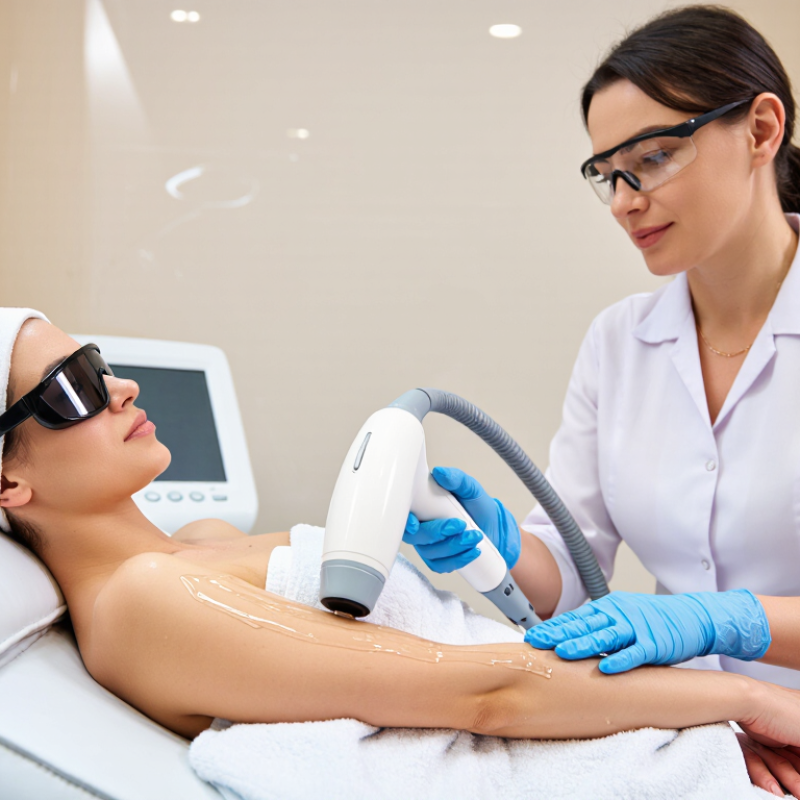
Does IPL Hair Removal Cause Skin Damage China Best Guide?

Time:2026-09-16 Author:Sienna
0%

Many readers ask, “does IPL hair removal cause skin damage?” The honest answer is not simply yes or no. Intense pulsed light can reduce unwanted hair, but it delivers strong heat into the skin. When the wavelength, energy level, or pulse duration is unsuitable, the skin may react badly.

Board-certified dermatologist Dr. Jennifer Chwalek explains, “IPL is a broad-spectrum light treatment, not a laser, and settings must be tailored to each patient’s skin type.” This principle matters in real treatment rooms. A patient with pale skin may develop temporary redness around each follicle. Someone with deeply pigmented or recently tanned skin may face a higher risk of burns, blisters, or dark patches. Eye protection is essential. So is a trained operator who understands the device.

This guide examines the evidence behind IPL safety in China, including clinic standards, home-use devices, skin-tone considerations, and common aftercare mistakes. It also separates mild reactions from warning signs that need medical attention. A cool compress may calm normal warmth. It cannot correct careless treatment.

The difficult part is that “safe” does not mean risk-free. I have seen beauty marketing make IPL sound almost effortless. That is an incomplete picture. Patch testing, sun avoidance, accurate settings, and realistic expectations can greatly reduce problems. Still, individual skin reacts differently. Even experienced professionals can misjudge a response.

Readers should question dramatic promises, check practitioner qualifications, and request clear information about the device used. Good decisions begin with evidence, not pressure.

Does IPL Hair Removal Cause Skin Damage China Best Guide?

How IPL Hair Removal Works on the Skin

Does IPL Hair Removal Cause Skin Damage China Best Guide?

IPL hair removal works through selective photothermolysis. Broad-spectrum light enters the skin and targets melanin in the hair shaft. The absorbed light becomes heat, which travels toward the follicle and weakens future growth. It does not remove every hair permanently. Hair cycles matter, so several sessions are usually needed.

A 2023 review in Lasers in Medical Science reported long-term hair reduction commonly around 50% to 80%, depending on skin type, hair colour, device settings, and treatment timing. The American Academy of Dermatology Association warns that unsuitable settings may cause burns, blistering, or temporary pigment changes. Darker skin contains more melanin, so excess energy can heat surrounding tissue. That risk is real. It is also often underestimated.

Tips: Avoid recently tanned skin and test a small area first. Shave rather than waxing before treatment, because the follicle needs to remain present. Wear proper eye protection. A trained practitioner should adjust energy gradually, especially for deeper skin tones. Home treatment is not automatically risk-free. Even professional guidance can be imperfect, because individual reactions vary. Stop if pain becomes sharp, swelling lasts, or the skin develops pale or dark patches. Peer-reviewed reports support IPL’s effectiveness, but they also show inconsistent results across devices and patients.

Does IPL Hair Removal Cause Skin Damage China Best Guide? - How IPL Hair Removal Works on the Skin

Skin or Treatment Dimension How IPL Works on the Skin Evidence-Based Skin Response Potential Risk or Benefit Practical Safety Guidance
Light mechanism IPL uses broad-spectrum pulses of visible and near-infrared light. Melanin in the hair absorbs part of the light and converts it into heat. The heat travels toward the hair follicle and can reduce the follicle’s ability to produce new hair. Generally low risk when settings are correctly selected. Use a device with appropriate cooling, wavelength filtering, and adjustable energy settings.
Effect on the epidermis The skin surface also contains melanin and may absorb some light energy, especially in darker or recently tanned skin. Mild warmth, redness, or temporary swelling around hair follicles can occur after treatment. Usually temporary and expected. Allow the skin to cool, avoid excessive heat, and follow the recommended treatment interval.
Typical temporary redness Localized heat causes short-term dilation of small blood vessels and irritation around the follicles. Pink or red skin may last from several minutes to approximately 24–48 hours, depending on sensitivity and treatment intensity. Usually resolves without permanent damage. Stop treatment if redness becomes severe, painful, or progressively worse.
Follicular swelling Heat affects the hair follicle and nearby tissue. Small raised bumps around hairs, sometimes called perifollicular edema, may appear briefly. Common short-term treatment response. Do not scratch or rub the area. Seek professional advice if swelling persists or blisters develop.
Pain and heat sensation Light energy is converted into heat in pigmented hair and skin structures. People may feel warmth, tingling, or a brief snapping sensation. Pain can increase with higher energy or sensitive skin. Discomfort can indicate excessive energy when it is intense or prolonged. A qualified operator should adjust settings according to hair color, skin tone, body area, and previous reaction.
Blistering or burns Excessive heat can damage the epidermis and, in severe cases, deeper skin tissue. Blisters, crusting, severe pain, or gray-white skin are not normal expected responses. Possible but uncommon when treatment is performed incorrectly or on unsuitable skin. Stop treatment and obtain medical advice promptly if blistering, open skin, or significant pain occurs.
Post-inflammatory hyperpigmentation Inflammation or heat may stimulate excess pigment production after treatment. Brown or darker patches can appear after irritation, burns, or treatment of recently tanned skin. Risk is higher in medium-to-dark skin tones and after excessive sun exposure. Use strict sun protection and avoid treating recently tanned or sunburned skin.
Hypopigmentation High heat or inflammation can temporarily or permanently reduce pigment activity in some areas. Light-colored spots may occur, particularly after overtreatment or in darker skin. Uncommon but potentially prolonged. Use conservative settings and perform a patch test before treating a larger area.
Skin tone compatibility IPL cannot distinguish perfectly between hair melanin and skin melanin. Very light hair may absorb too little energy, while darker skin may absorb more energy in the surface layers. Treatment effectiveness and safety vary substantially by skin tone and hair color. Professional assessment is recommended for Fitzpatrick skin types V–VI or recently tanned skin.
Hair color and thickness Darker, coarser hair generally contains more melanin and absorbs more IPL energy than light hair. Black or dark-brown hair usually responds better. Blonde, gray, white, and red hair may respond poorly or inconsistently. Limited effectiveness does not necessarily mean skin damage. Do not increase energy excessively to compensate for hair with little pigment.
Sun exposure and tanning UV exposure increases melanin in the skin, leaving less safety margin between hair absorption and skin absorption. Tanned or sunburned skin has a higher risk of burns and uneven pigmentation. Important preventable risk factor. Avoid treatment on sunburned skin and follow the device or clinician’s recommended sun-avoidance period.
Sun protection after treatment Treated skin may be temporarily more sensitive to irritation and pigment changes. UV exposure can increase the chance of dark marks after inflammation. Poor aftercare may prolong discoloration. Cover the area and use broad-spectrum sunscreen with SPF 30 or higher when exposed outdoors.
Treatment frequency IPL mainly affects hairs in the active growth phase, while hair cycles are staggered. Several sessions are commonly needed, often spaced weeks apart, to address different growth cycles. Treating too frequently can increase irritation without improving results. Follow the product instructions or a qualified clinician’s schedule rather than treating daily.
Shaving versus waxing IPL needs the hair pigment within or near the follicle to absorb light. Shaving generally leaves the follicle in place, while waxing or plucking removes the target hair from the follicle. Correct preparation may improve treatment consistency. Follow the preparation instructions and avoid applying IPL over irritated or recently waxed skin.
Medication and product sensitivity Some medicines and topical products can increase photosensitivity or skin irritation. Photosensitive skin may react more strongly to IPL energy. Risk depends on the specific medicine or product. Review prescription medicines, acne treatments, exfoliants, and active skincare products with a healthcare professional.
Moles, tattoos, and dark lesions Dark pigments can absorb IPL energy more strongly than surrounding skin. Covered or untreated lesions are less likely to absorb unintended heat. Potential for burns, pigment alteration, or missed diagnosis. Do not treat over tattoos, suspicious moles, very dark spots, or other lesions unless medically cleared.
Long-term skin damage IPL targets pigment and heat-sensitive structures rather than intentionally removing the skin surface. When appropriately selected and correctly used, permanent scarring or lasting damage is uncommon. Risk increases with incorrect settings, poor cooling, tanning, or repeated overtreatment. Choose trained supervision for professional treatment and stop using a device if abnormal reactions occur.
Eye safety IPL flashes are bright and can injure the eye if directed toward it or used without suitable protection. Eye discomfort, visual symptoms, or retinal injury are possible with unsafe exposure. Especially important near the eyebrows and upper face. Use the specified eye protection and never flash directly toward the eyes.
When to seek medical advice Persistent or severe reactions may indicate a burn, infection, allergic response, or pigment complication. Warning signs include increasing pain, spreading redness, pus, extensive blistering, severe swelling, or vision changes. Requires prompt evaluation. Stop treatment and contact a qualified healthcare professional; seek urgent care for eye symptoms or severe burns.

Important: IPL hair removal does not usually cause permanent skin damage when used correctly on suitable skin and hair types. However, burns, scarring, and temporary or lasting pigment changes are possible, particularly after tanning, incorrect energy settings, treatment over dark lesions, or use on unsuitable skin tones.

Common Skin Reactions After IPL Hair Removal

Does IPL Hair Removal Cause Skin Damage China Best Guide?

Common Skin Reactions After IPL Hair Removal

After IPL hair removal, mild redness and small, raised bumps may surround each follicle. The skin can feel warm, like gentle sun exposure. These reactions usually settle within several hours, though sensitive skin may need two days. An evidence-based review in the Journal of the European Academy of Dermatology and Venereology found that temporary redness, swelling, and discomfort were the most reported effects. Darker skin tones face a higher risk of temporary darkening or lightening because IPL also interacts with melanin.

Serious injury is uncommon, but poor settings can cause burns, blisters, or lasting pigment changes. The FDA’s MAUDE database records reports of burns and pigmentation problems, although its voluntary system cannot measure true treatment rates. This limitation matters. A clinic’s impressive success claims do not replace medical assessment. Skin type, recent tanning, medicines, and device calibration all influence safety. Patch testing is sensible, not excessive.

Tips: Choose trained medical personnel and request a patch test. Avoid tanning before treatment. Do not treat irritated skin. Cool the area with a clean compress, then apply simple fragrance-free moisturizer. Use broad-spectrum SPF 30 or higher. Seek medical care if pain worsens, blisters develop, or color changes persist beyond several weeks. One mistake is assuming “no pain” means “no damage”; IPL can still overheat pigment-rich skin.

Common Skin Reactions After IPL Hair Removal

Most IPL reactions are temporary. The ranges shown are approximate clinical ranges and may vary according to skin tone, treatment settings, hair density, and aftercare. Persistent blistering, severe pain, or spreading discoloration should be assessed by a qualified medical professional.

Potential Risks and Causes of IPL-Related Skin Damage

IPL hair removal can irritate skin because intense light becomes heat inside the hair follicle. Mild redness, warmth, or swelling may appear after treatment. These effects often fade within a day or two.

Persistent pain is different. It can blister. Skin damage becomes more likely when energy settings are too high, treatment overlaps repeatedly, or the skin is already sensitive.

Recent tanning raises the risk because darker skin absorbs more light. Uneven pigmentation may follow, especially after inflammation.

Some medicines and skincare ingredients can also increase light sensitivity. A qualified practitioner should review medical history and perform a patch test before full treatment. Small details matter. A patch test, however, cannot predict every reaction with complete certainty. That limitation deserves honest discussion.

During treatment, protective eyewear and suitable cooling help reduce unnecessary heat. The skin should feel warm, not sharply painful. Afterward, avoid hot showers, intense exercise, friction, and direct sunlight for the recommended period.

Do not peel blisters or scratch treated areas. Seek medical advice if swelling worsens, blisters spread, or pale or dark patches remain. Photos can help a dermatologist compare changes over time. I would not dismiss lasting discoloration as harmless without an assessment, even when the original treatment seemed routine.

Skin Types, Hair Colors, and IPL Safety Considerations

Does IPL Hair Removal Cause Skin Damage China Best Guide?

Skin type strongly affects IPL safety. Melanin absorbs light, not only hair pigment. Fitzpatrick I–III skin usually has a wider safety margin. Types IV–VI may face more redness, burns, or temporary dark patches. A 2022 systematic review in Lasers in Medical Science reported that cooling, conservative fluence, and test spots reduced complications in darker skin. However, the evidence remains uneven. Many studies used small samples.

Hair color matters just as much. Dark brown and black hair contain more melanin, so IPL can target them more effectively. Blonde, red, grey, and white hair may respond weakly. The American Academy of Dermatology Association notes that light-based hair removal usually needs several sessions, because treatment works best during active hair growth. Results vary. Some people notice less regrowth, not permanent removal.

Real-world safety depends on settings and skin preparation. A test patch should be observed for at least 24 hours before wider treatment. Skin should not be tanned, irritated, or recently exposed to strong exfoliants. Stop if sharp pain, blistering, or spreading redness appears. The U.S. FDA’s device guidance emphasizes following the specific instructions and using eye protection where required. Yet home devices are not foolproof. I would question any claim promising zero risk or permanent results. A trained professional should assess darker skin, unusual moles, medication use, and previous pigment changes.

Ways to Reduce Skin Damage During IPL Treatment

IPL hair removal can irritate skin when light energy meets unprepared or sensitive tissue. Redness, warmth, swelling, and temporary darkening may occur. Most reactions are mild, but careless treatment can cause burns or lasting pigmentation changes.

A patch test helps identify problems before treating a larger area. It is useful, not magical. Wait 24 to 48 hours and check for severe redness, blisters, or unusual pain.

Clean the skin and remove surface hair by shaving. Avoid waxing or plucking beforehand, because IPL needs the hair root. Do not treat sunburned, recently tanned, broken, or inflamed skin. Strong sunlight increases risk, especially for darker or easily pigmented skin.

Use the lowest effective setting recommended for your skin type and device instructions. Higher intensity does not guarantee better results. Wear the supplied eye protection, keep the treatment head flat, and avoid repeating flashes over one spot.

A cool compress can calm warmth afterward. For the next day, avoid hot baths, tight clothing, harsh scrubs, fragrance, and intense exercise.

Apply a gentle moisturizer and broad-spectrum sunscreen when the area is exposed.

Be careful with retinoids, exfoliating acids, and photosensitizing medicines. Ask a qualified dermatologist before treatment if you use them.

Stop immediately if pain feels sharp or blistering appears.

A common mistake is treating discomfort as proof that IPL is working. Skin safety matters more than speed.

FAQS

How does IPL hair removal affect hair follicles?

Broad-spectrum light targets melanin in the hair shaft. The light becomes heat. Heat weakens future hair growth. It does not remove every hair permanently. Several sessions are usually needed because hair grows in cycles.

Can IPL permanently damage the skin?

IPL can cause burns, blisters, or pigment changes when settings are unsuitable. Mild redness and warmth often fade within one or two days. Lasting pain is different. Do not ignore it.

Is IPL safe for darker skin tones?

Darker skin contains more melanin, which absorbs more light. Excess energy may heat surrounding tissue. A trained practitioner should adjust energy gradually. Recent tanning increases the risk.

What should I do before an IPL session?

Avoid sunburned or recently tanned skin. Shave the area instead of waxing or plucking. The hair root needs to remain present. Clean the skin carefully. Small details matter.

Why is a patch test important?

A patch test checks how a small area reacts before wider treatment. Wait 24 to 48 hours. Watch for blisters, severe redness, or unusual pain. It helps, but it cannot predict every reaction.

What does IPL skin damage feel like?

Normal treatment may feel warm or mildly uncomfortable. Sharp pain is a warning sign. Blistering, spreading swelling, or pale patches need medical assessment. Do not scratch or peel blisters.

How can I reduce irritation after IPL treatment?

Use a cool compress if the skin feels warm. Avoid hot showers, intense exercise, friction, and harsh scrubs. Wear loose clothing. Apply gentle moisturizer. Use sunscreen when treated skin faces sunlight.

Can medicines or skincare products affect IPL treatment?

Retinoids, exfoliating acids, and some medicines may increase light sensitivity. Discuss them with a qualified dermatologist beforehand. Individual reactions vary. Professional guidance is helpful, but not perfect.

Conclusion

Does IPL hair removal cause skin damage? In most cases, IPL can be used safely when the light energy is properly matched to the user’s skin tone and hair color. The treatment targets melanin in the hair, producing heat that weakens the hair follicle over time. Temporary reactions such as redness, mild swelling, warmth, or sensitivity are common and usually fade within a short period.

However, incorrect settings, excessive exposure, tanning, or unsuitable skin and hair characteristics may increase the risk of burns, blisters, dark or light patches, and prolonged irritation. Darker skin requires extra caution because it contains more melanin, while very light, gray, red, or blonde hair may respond less effectively. To reduce potential skin damage, users should follow professional guidance, avoid tanning before and after treatment, perform a patch test, protect the skin from sunlight, and stop treatment if severe discomfort or unusual changes occur.

Sienna

Sienna

Sienna is a skilled marketing professional with a deep expertise in our company’s core products and services. With a passion for innovation and detail, she plays a pivotal role in crafting insightful blog posts that not only highlight the unique features of our offerings but also provide valuable......