7 Best Ways to Choose an IPL Hair Removal Device

Time:2026-11-02 Author:Aria
0%

Choosing an IPL hair removal device is not just about finding the brightest screen or the lowest price. Your skin tone, hair color, treatment area, and comfort with regular sessions all matter. A device that suits one person may be unsuitable for another. Small details matter.

Board-certified dermatologist Dr. Hadley King has emphasized that IPL effectiveness depends on the contrast between skin and hair pigment, and that users should check a device’s suitability for their skin tone. That practical guidance is a useful starting point for anyone asking how to choose the best IPL hair removal device. Always read the manufacturer’s instructions, review its skin-tone chart, and speak with a qualified clinician if you are unsure whether IPL is appropriate for you.

This guide breaks the decision into seven clear checks: skin and hair compatibility, safety features, treatment window size, power settings, ease of use, ongoing costs, and user support. Look for details you can verify, such as a contact sensor, a treatment schedule, and clear guidance for sensitive areas. A sleek design is nice. It is not proof of performance. Some features may matter less than expected, and no device promises identical results for everyone. The aim is a safe, realistic choice that fits your routine—not a rushed purchase based on a bold claim.
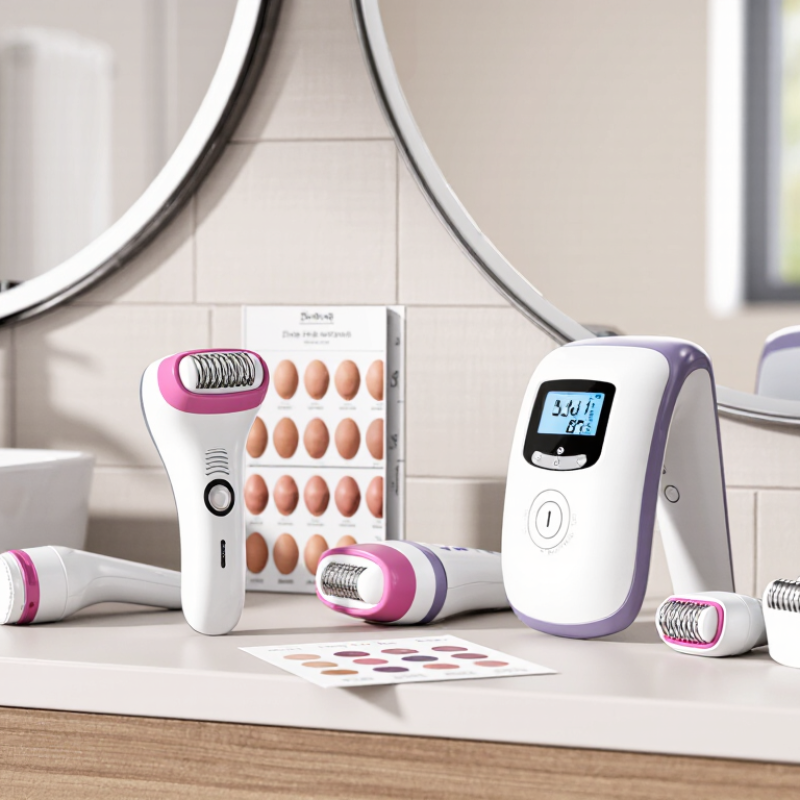
7 Best Ways to Choose an IPL Hair Removal Device

Assess Your Skin Tone and Hair Color Compatibility

Before choosing an IPL device, compare your natural skin tone and hair color with its compatibility chart. IPL targets pigment in hair, so strong contrast often improves response: dark hair on lighter skin is commonly the easiest match. Very light blonde, red, gray, or white hair may respond poorly because it contains less suitable pigment. Darker skin can absorb more light energy, raising the risk of burns or discoloration with some devices. The details matter. Skin tone categories can feel imprecise, and a recent tan can change your risk even if your usual complexion seems compatible.

Tips: Check the chart in daylight, not under a warm bathroom bulb. Follow the manual’s patch-test steps, then wait the stated interval. Skip freshly tanned skin.

Do not guess based only on a device’s advertised range. Read its limits for your specific tone and hair shade, and check whether it has a sensor that blocks flashes on unsuitable skin. A sensor adds reassurance, but it does not replace compatibility guidance. If your skin is near the chart’s boundary, or you use medicines that increase light sensitivity, ask a qualified clinician before treatment. It may feel cautious. That is sensible: home IPL results vary, and a small patch test cannot predict every reaction. Keep notes on settings and skin response; stop if you notice blistering, marked pain, or lasting discoloration.

Compare IPL Energy Levels and Treatment Settings

When comparing IPL devices, look beyond the highest energy number. Output is often listed in joules per square centimetre, but measurement methods can differ, so figures may not compare directly. Check whether the device suits your skin tone and hair colour. IPL generally targets pigment in the hair; very light hair may respond poorly, while some skin tones need extra caution. Read the device’s suitability chart carefully.

Treatment settings matter just as much. Several intensity levels can help you start gently and adjust only if the treatment feels comfortable and your skin shows no concerning reaction. More power is not automatically better. It can increase discomfort, especially on sensitive areas. A small test patch is sensible. Follow the manual’s instructions on where to test and how long to wait before treating a larger area.

Look for practical controls, too: a gentle mode for delicate zones, a faster setting for larger areas, and clear guidance on treatment intervals. Keep in mind that “gentle” does not mean risk-free. Stop if you notice strong or lasting pain, blistering, or unusual skin changes, and seek medical advice when needed. One frustrating detail is that the most comfortable setting may take longer to show results; consistency and safe use matter more than rushing to the top setting.

Check Safety Features and Skin-Tone Sensors

When comparing IPL devices, treat safety features as working safeguards, not decoration. A skin-tone sensor should check the treatment area before allowing a flash and block use when the detected shade falls outside the device’s supported range. This matters because IPL targets pigment, and unsuitable skin tones can face a higher risk of burns or lasting discoloration. A sensor is not a diagnosis.

Look for a clear skin-tone chart, a contact sensor that prevents accidental flashes, and adjustable intensity levels. Read the chart in good light; indoor lighting can make skin look different. If the device cannot confirm a suitable setting, do not guess. Small test first. Patch-test a small area and wait the period specified in the instructions before treating a larger patch. Follow the manual’s exclusions, especially around tattoos, dark spots, irritated skin, or recently tanned areas.

Sensors have limits. They may not account for medication or a skin condition that increases sensitivity to light. Ask a qualified clinician if you are unsure, especially if you have had skin reactions before. Even a reassuring sensor can be wrong—or simply limited. I’d rather miss a treatment day than test that limit on my forearm.

How to read this chart: Each bar represents one recommended check—not a product rating or survey result. Confirm that your skin tone and hair color are suitable according to the device’s instructions. IPL may be unsuitable for darker skin tones and less effective on light blonde, red, white, or gray hair. A skin-tone sensor is a useful safeguard, but it does not replace the instructions or a patch test.

Evaluate Treatment Areas, Device Design, and Ease of Use

Choose an IPL device around the areas you actually plan to treat. A wide flash window can speed work on legs, while a smaller head helps around knees and ankles. For the upper lip or chin, check that the device is specifically cleared for facial use. Keep it away from eyes, tattoos, and dark spots unless the instructions explicitly allow treatment there. Fit matters.

Skin tone and hair color affect whether IPL is suitable. Read the device’s stated skin-tone range rather than relying on a sensor alone; sensors do not make every device safe for every user. The American Academy of Dermatology notes that light-based hair removal works best when hair and skin provide enough contrast, though results vary. The American Society of Plastic Surgeons’ 2023 procedural statistics recorded about 1.1 million laser hair-removal treatments in the United States. That figure describes clinic procedures, not home-IPL results, so it should not be treated as a promise.

Look for clear controls, a comfortable grip, and a flash window you can keep flat against curved areas. A skin-contact sensor and adjustable intensity can make sessions easier to manage, but neither replaces the manual or a patch test. Check the suggested session schedule, too; a device that is awkward to handle may end up unused. That sounds tidy. Real routines are messier. A missed patch can happen, so choose a design that lets you see where each flash lands.

Compare Costs, Maintenance Needs, and Expected Results

7 Best Ways to Choose an IPL Hair Removal Device

Compare the device’s upfront price with the cost of replacing its lamp or treatment head. Check the manual for flash limits, replacement-part prices, and cleaning instructions. A lower purchase price can hide recurring costs. That adds up. For a clinic-price benchmark, the 2023 American Society of Plastic Surgeons statistics report lists an average laser hair-removal fee of $697; it is not a quote for a complete course or a home IPL device. Compare like with like: treatment area, number of visits, and any follow-up fees.

Expected results take time and vary. Haedersdal and Wulf’s 2006 evidence review in the Journal of the European Academy of Dermatology and Venereology found that light-based hair removal generally needs repeated treatments, with outcomes affected by hair and skin characteristics. Home IPL usually aims for lasting hair reduction, not guaranteed permanent removal. Darker, coarse hairs often respond better than light, grey, or red hairs; check the device’s skin-tone chart before buying. Maintenance may mean occasional sessions after the initial schedule, so factor in time as well as money. Not instant. I’d also compare the return policy and safety guidance. Small print matters, and I have found those details easy to overlook.

FAQS

Do higher IPL energy numbers always mean better performance?

No. Energy figures use joules per square centimetre, but measurement methods can differ. Compare cautiously.

How should I choose an IPL intensity setting?

Start gently. Increase intensity only if treatment feels comfortable and your skin shows no concerning reaction. More power can mean more discomfort.

Why should I test a small patch first?

A patch test can reveal irritation before you treat a larger area. Follow the manual’s instructions and waiting period. Don’t rush it.

Can IPL work on every hair colour and skin tone?

No. IPL targets pigment in hair, so very light hair may respond poorly. Check the device’s skin-tone and hair-colour suitability chart.

What safety features should I look for?

Look for a skin-tone sensor, a contact sensor, adjustable intensity, and a clear suitability chart. Sensors have limits, though.

Why should I check my skin in good light?

Indoor lighting can change how your skin tone appears. Read the chart carefully, and do not guess if the device cannot confirm suitability.

Which areas or conditions need extra caution?

Follow the manual’s exclusions, including guidance about tattoos, dark spots, irritated skin, and recently tanned areas. Ask a clinician if medication or a skin condition may increase light sensitivity.

When should I stop using an IPL device?

Stop for strong or lasting pain, blistering, or unusual skin changes. Seek medical advice when needed. A missed session is better than testing a limit.

Conclusion

Choosing an IPL hair removal device starts with checking whether your skin tone and hair color are compatible with the technology, since these factors can affect both safety and results. Compare devices’ energy levels and treatment settings to find options that suit your comfort and the areas you plan to treat. Built-in safety features, such as skin-tone sensors and contact checks, can help guide use and reduce the chance of unsuitable treatment.

When considering how to choose the best IPL hair removal device, also look at its design, treatment-window size, and ease of handling. A device that is comfortable to use may make it easier to follow a consistent routine, especially for larger or harder-to-reach areas. Finally, compare the purchase cost with ongoing maintenance needs, the expected treatment schedule, and realistic results. Taking these factors together can help you select a device that fits your needs, budget, and expectations.

Aria

Aria

Aria is a dedicated marketing professional with a deep passion for innovative strategies and a keen understanding of our company's product offerings. With a wealth of experience in the industry, Aria excels at crafting engaging content that highlights the unique features and benefits of our......