Can IPL Remove Hair Permanently at Home in 2026?

Time:2026-09-21 Author:Aria
0%

Can IPL remove hair permanently at home in 2026? The honest answer is complicated. At-home IPL devices can reduce visible hair growth over time. They may also make regrowth finer, slower, and less noticeable. However, permanent removal is not a realistic promise for most users. Results depend on hair color, skin tone, device strength, treatment timing, and hormonal changes.

Board-certified dermatologist Dr. Hadley King explains, “IPL can reduce hair growth, but it is not permanent hair removal.” This distinction matters. IPL targets melanin in the hair follicle, using repeated light pulses to interrupt the growth cycle. Dark hair usually responds better than blonde, red, gray, or white hair. The skin and hair contrast also affects performance. Some newer devices include skin-tone sensors, but they are not perfect.

Consistency is essential. A user might treat the lower legs weekly, watch the hairs shed, and still notice scattered regrowth after several months. Maintenance sessions may remain necessary. Results can feel uneven, especially around the bikini line or face. That can be frustrating.

This guide examines real-world home IPL use in 2026. It considers clinical evidence, device limitations, treatment habits, and safety precautions. It also questions exaggerated marketing claims. “Permanent” sounds clear. It rarely is. Skin can react differently from one area to another, and a device that works well for one person may disappoint another. Always follow the manufacturer’s instructions and seek professional advice when uncertain.
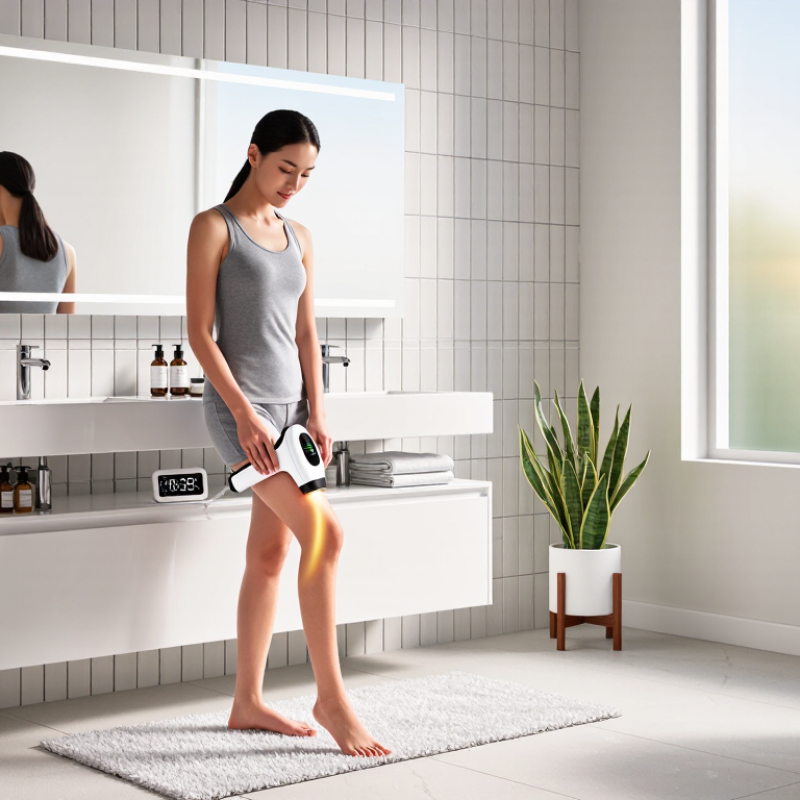
Can IPL Remove Hair Permanently at Home in 2026?

How At-Home IPL Hair Removal Works in 2026

At-home IPL hair removal uses broad-spectrum light to target pigment in the hair shaft. The light becomes heat and travels toward the follicle, which may reduce its ability to produce new hair. It works best when hair is in the active growth phase, but not every follicle grows together. That is why one session rarely changes much.

Many 2026 home devices use skin-tone sensors, contact detection, and adjustable intensity levels. These features can improve control, but they do not make treatment risk-free. Shave the area first, clean and dry the skin, then test a small patch. A brief warm snap is common. Sharp pain, blistering, or lasting redness is not. Darker skin tones and very light, grey, or red hair may require extra caution because IPL depends on pigment contrast.

Use the device on its recommended schedule, often weekly at the beginning, then less frequently for maintenance. Do not flash over tattoos, open wounds, irritated skin, or recently tanned areas. Protective eyewear and the instruction manual still matter, even with automatic sensors. From practical experience, consistency usually matters more than maximum intensity. I also found that treating too often does not speed results and can irritate the skin. IPL may provide long-term hair reduction, not guaranteed permanent removal. New growth can return with hormonal changes, and results vary between body areas.

What “Permanent” Hair Reduction Really Means

Can IPL Remove Hair Permanently at Home in 2026?

At-home IPL can reduce hair growth for months or longer, but “permanent” does not mean completely hair-free forever. In clinical language, permanent hair reduction usually means a lasting decrease in visible hair after a planned treatment course. Some follicles may stop producing noticeable hair, while others become finer and lighter. New growth can still appear during hormonal changes or natural hair-cycle shifts.

IPL works best when the hair contains enough pigment to absorb light. Dark hair and lighter skin often respond more clearly. Very light, red, grey, or white hair may respond poorly. Results also vary across the body. Underarms may improve sooner than the lower legs. The process is gradual. Expect repeated sessions, careful shaving beforehand, and occasional maintenance treatments.

Small details matter. Use the device only as directed, and patch-test a limited area first. Skin may feel warm or look mildly red afterward. Stop if you notice blistering, intense pain, or lasting discoloration. Avoid treating tattoos, dark moles, irritated skin, or recently tanned areas. People using light-sensitive medication or managing a skin condition should seek qualified medical advice before treatment.

The honest part is less exciting. I once assumed fewer hairs meant the job was finished. It was not. Missed sessions, uneven hair cycles, and changing hormones can all affect the result. Keep dated photos under similar lighting. They reveal progress better than memory.

Who Can Safely Use an At-Home IPL Device

Can IPL Remove Hair Permanently at Home in 2026?

At-home IPL is not equally safe for everyone. It works best when the hair contains enough melanin to absorb light, while the surrounding skin contains less. The American Academy of Dermatology Association warns that darker skin can absorb more energy, increasing burn and pigmentation risks. People with very dark skin should seek professional assessment before treatment.

Hair color matters too. IPL usually performs poorly on white, gray, light red, or very blond hair. A 2016 systematic review in Lasers in Medical Science found that many home-use light-based trials achieved at least 50% hair reduction after repeated sessions. Results varied widely, however. “Permanent” may mean long-term reduction, not complete removal.

Use only on intact skin. Avoid tattoos, dark moles, irritated areas, and recently tanned skin. People using photosensitizing medicines should ask a qualified clinician first. Pregnancy also deserves caution because home IPL lacks strong safety evidence for this group. Follow the device’s skin-tone sensor and perform a small patch test. Wait 24 hours.

Safety is not automatic.

A practical mistake is treating more often to speed results. That can increase redness without improving removal. Skin type, hair thickness, hormones, and treatment consistency all influence outcomes. Professional guidance is especially important for darker skin, uneven pigmentation, or a history of abnormal scarring.

Can IPL Remove Hair Permanently at Home in 2026? Who Can Safely Use an At-Home IPL Device

At-home IPL can produce long-term hair reduction, but it should not be described as guaranteed permanent removal. Repeated sessions are needed because only hairs in the active growth phase respond effectively.

What the chart shows: The approximate share of hairs that may be in the active growth phase at one time varies by body area. These ranges explain why several IPL sessions, spaced according to the device instructions, are usually required.

Who may use IPL more safely: Adults with a clear contrast between lighter-to-medium skin and dark brown or black hair are generally better candidates. People with very dark skin may face a higher risk of burns or pigmentation changes, while IPL is usually less effective on white, gray, very blond, or red hair. Always check the device’s skin-tone guidance, perform a patch test, and avoid treatment over tattoos, active skin conditions, or areas affected by photosensitizing medicines.

Approximate ranges are based on commonly reported hair-growth-cycle estimates in dermatology literature; individual results vary substantially. IPL is not suitable for everyone and does not replace professional medical advice.

How to Use IPL Correctly for Long-Term Results

Home IPL can reduce hair regrowth for long periods, but “permanent” removal is too strong. Results depend on hair pigment, skin tone, hormones, and regular use. Dark hair usually responds better than blond, red, grey, or white hair. Start with the device’s eligibility guidance. Never guess.

Before each session, shave the area rather than waxing or plucking the root. Clean and dry skin helps the light reach the follicle evenly. Perform a patch test and wait according to the instructions. Begin with a comfortable setting, then increase it only when recommended. Do not flash irritated, sunburned, recently tanned, broken, or infected skin. Avoid tattoos, dark moles, and unusual marks. Some areas need professional advice, especially when skin conditions or medication increase light sensitivity.

Follow the manufacturer’s schedule closely, even when early results seem disappointing. Many home routines use weekly sessions at first, followed by occasional maintenance treatments. Skipping sessions can slow progress. It helps to record dates and photograph the same area under similar lighting. That makes gradual change easier to judge. Avoid intense sun exposure around treatments and use suitable sun protection. Stop if you notice severe pain, blistering, or lasting discoloration, and seek medical advice. One honest limitation remains: hormonal changes may trigger new growth, so maintenance can be necessary.

Risks, Limitations, and Maintenance Treatments at Home

Can IPL Remove Hair Permanently at Home in 2026?

Home IPL can reduce hair growth for long periods, but “permanent removal” is usually too strong. Light energy targets melanin in active hair follicles. Only some follicles grow at once. New hairs may appear during later growth cycles. Results often require several sessions, followed by maintenance treatments every few weeks or months.

The risks deserve equal attention. Incorrect intensity, repeated flashes, or treatment on irritated skin can cause burns, blisters, or temporary color changes. Darker skin tones may face a higher risk of hyperpigmentation because the device also detects skin melanin. Blonde, red, grey, and white hair may respond poorly. IPL should not touch tattoos, dark moles, or broken skin. Some medicines increase light sensitivity, so professional advice matters. A careful patch test is essential, even if the device seems gentle.

Tips: Shave rather than wax before treatment. Clean and dry the area completely. Begin with a lower setting and record your reactions. Wear suitable eye protection if instructed. Stop when pain feels sharp, not merely warm. Avoid tanning before and after sessions, and use broad-spectrum sunscreen on exposed areas. In practice, consistency matters more than maximum power. I would not promise flawless permanence; missed sessions, hormonal changes, and individual biology can all bring regrowth. A dermatologist can assess unusual irritation, persistent discoloration, or uncertain skin and hair conditions.

FAQS

Can at-home IPL remove hair permanently?

It usually provides long-term hair reduction, not complete hair removal forever. Some follicles may stop producing visible hair. Others may grow finer and lighter. Hormones can change the result.

How long does at-home IPL take to show results?

Results develop gradually after repeated sessions. Underarms may improve before lower legs. Take dated photos under similar lighting. Memory can mislead you.

Which hair and skin types respond best?

Dark hair often absorbs light more effectively. Lighter skin may show clearer results. White, gray, red, and very blond hair may respond poorly.

Who should seek medical advice before using IPL?

People with very dark skin, skin conditions, unusual scarring, or uneven pigmentation should seek professional guidance. Ask about light-sensitive medicines. Pregnancy also requires caution.

How should I prepare my skin before treatment?

Shave the area instead of waxing. Clean and dry the skin completely. Avoid recently tanned or irritated areas. Perform a small patch test, then wait 24 hours.

Which areas should not receive IPL treatment?

Avoid tattoos, dark moles, broken skin, and irritated patches. Do not treat areas with lasting redness. Follow the device’s skin-tone sensor carefully.

Can using IPL more often speed up hair reduction?

Not reliably. Extra flashes may increase redness without improving results. Follow the recommended schedule. Consistency matters more than maximum power.

What side effects mean I should stop treatment?

Mild warmth or temporary redness can occur. Stop after sharp pain, blistering, intense discomfort, or lasting discoloration. Seek qualified medical advice if symptoms persist.

Will I need maintenance treatments?

Often, yes. New hairs can appear during later growth cycles. Hormonal changes may bring additional regrowth. Occasional maintenance helps preserve the reduction.

What is one common mistake with home IPL?

I once assumed fewer hairs meant the process was finished. It was not. Missed sessions, uneven growth cycles, and changing hormones can affect progress.

Conclusion

At-home IPL devices use pulses of light to target melanin in the hair shaft, gradually weakening the follicle and slowing future growth. However, the phrase “permanent” usually means long-term, significant hair reduction rather than the complete removal of every hair forever. Results depend on hair color, skin tone, hormone levels, treatment consistency, and the device’s suitability. IPL is generally most effective when there is a clear contrast between darker hair and lighter skin, while it may be ineffective or unsuitable for very light, gray, red, or white hair and some darker skin tones.

For lasting results, users should follow the device instructions, shave rather than wax before treatment, maintain a regular schedule, and avoid treating irritated or damaged skin. Protective practices, patch testing, and appropriate eye-safety guidance are important. Even after an initial course, occasional maintenance sessions may be needed because dormant follicles can become active over time. Therefore, can IPL remove hair permanently at home? It can provide substantial, long-term reduction for suitable users, but it should not be viewed as a guaranteed once-and-for-all solution.

Aria

Aria

Aria is a dedicated marketing professional with a deep passion for innovative strategies and a keen understanding of our company's product offerings. With a wealth of experience in the industry, Aria excels at crafting engaging content that highlights the unique features and benefits of our......