2026 Best IPL for Ingrown Hair Can It Remove Ingrown Hairs?

Time:2026-10-26 Author:Isabella
0%

Ingrown hairs can leave more than a small bump. They may cause redness, tenderness, itching, or dark marks around shaved areas. That makes IPL attractive for people tired of repeated shaving and waxing. But can IPL remove ingrown hair? The honest answer is more complicated. IPL does not pull out a trapped hair or instantly flatten an inflamed bump. Instead, controlled light targets pigment in the hair follicle and may reduce future hair growth over several sessions.

This 2026 guide examines the best IPL devices for ingrown-hair-prone skin. It considers light intensity, skin-tone sensors, treatment windows, cooling features, and published safety guidance. Device instructions matter. So does your skin type. A patch test can reveal irritation before a full treatment leaves the skin feeling hot or prickly. Never flash over broken skin, active infection, or severe inflammation. That part is easy to overlook.

Real-world results vary. Dark, coarse hair often responds better than blonde, red, grey, or white hair because IPL depends on pigment. At-home devices are also less powerful than professional systems. That may improve convenience, but it can require patience. Some users see fewer shaving bumps, while others notice only slower regrowth. A dermatologist can help distinguish ingrown hairs from folliculitis, cysts, or another skin condition. IPL is promising, not magical. This guide weighs practical experience, clinical reasoning, and manufacturer claims to help you choose more carefully.
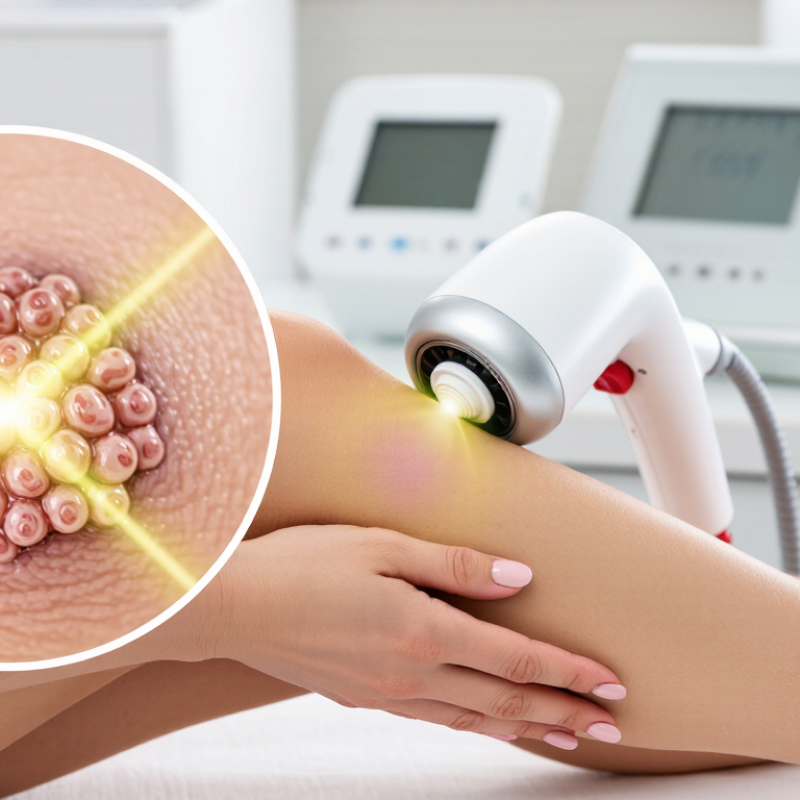
2026 Best IPL for Ingrown Hair Can It Remove Ingrown Hairs?

What Are Ingrown Hairs and Why Do They Develop?

Ingrown hairs develop when a shaved, waxed, or plucked hair curls back into the skin. The trapped tip may cause a red bump, itching, tenderness, or a small amount of pus. Curly or coarse hair often increases the risk. Tight clothing, friction, and shaving too closely can also contribute. They commonly appear on the legs, bikini area, underarms, and beard region.

IPL may help reduce future ingrown hairs by slowing hair growth over several treatments. It does not pull out an existing ingrown hair or remove inflammation immediately. Results depend on hair color, skin tone, treatment settings, and consistency. Dark hair usually responds better because it absorbs more light. Very light, grey, or red hair may respond poorly. Professional assessment matters, especially for darker skin, because unsuitable settings can cause burns or pigmentation changes. Home treatment is not automatically safer. I may be cautious here: some people expect perfectly smooth skin, but IPL cannot prevent every bump.

Tips: Stop treating swollen, infected, or open skin. Use a clean, sharp razor and shave with the hair growth direction. Avoid tight clothing after hair removal. Do not pick or squeeze bumps. A warm compress may ease discomfort. Seek medical advice if pain, spreading redness, fever, or repeated scarring develops. A dermatologist can confirm whether the bump is truly an ingrown hair.

2026 Best IPL for Ingrown Hair: Can It Remove Ingrown Hairs?

IPL does not directly remove an existing ingrown hair. It targets melanin in the hair shaft and follicle to reduce future hair growth, which may help lower the chance of repeated shaving-related ingrown hairs over time.

The chart summarizes what IPL can and cannot do. Existing ingrown hairs may require gentle skin care and, when inflamed or infected, assessment by a healthcare professional.

How IPL Works on Hair Follicles and Ingrown Hair Causes

2026 Best IPL for Ingrown Hair: Can It Remove Ingrown Hairs?

IPL works by sending broad-spectrum light into the skin. Melanin in the hair absorbs this energy and converts it into heat. That heat weakens the follicle’s growth center over repeated sessions. It does not pull out a trapped hair. It may reduce future ingrown hairs by producing finer, slower-growing hair.
The American Academy of Dermatology Association explains that ingrown hairs form when shaved or waxed hair curls back into the skin. Curly, coarse hair increases this risk. A 2020 review in Lasers in Medical Science reported meaningful long-term hair reduction with light-based treatments, although results varied widely between studies. Most clinical protocols use several sessions, often spaced four to eight weeks apart. Results are uneven.
IPL cannot reliably remove an existing painful bump. A dermatologist may need to treat infection or release the trapped hair first. At-home devices also deliver less energy than clinical systems. Skin tone, hair color, hormones, and treatment technique matter. Darker skin can face a higher risk of burns or temporary pigmentation, especially without a patch test. The honest limitation is simple: IPL may help prevent recurrence, but it is not a direct cure for every ingrown hair. Misuse can make irritation worse.

Can IPL Remove Existing Ingrown Hairs or Prevent New Ones?

IPL does not pull out an existing ingrown hair. It targets melanin in the hair shaft and gradually reduces future growth. If a hair is trapped beneath a red, painful bump, IPL cannot reliably release it. Do not flash over broken skin, pus, scabs, or intense inflammation. That can worsen irritation.

For an existing ingrown hair, pause treatment around the affected area. A warm compress may soften the skin and reduce discomfort. Gentle washing is safer than harsh scrubbing. Never dig with needles or squeeze deeply. If swelling spreads, pain increases, or the area feels hot, seek advice from a qualified healthcare professional. Infection can look minor at first.

IPL may help prevent new ingrown hairs by making regrowth slower and finer. Less shaving can mean fewer sharp hair tips pushing back into the skin. Results depend on hair color, skin tone, hormonal changes, and treatment consistency. Darker hair usually responds better than very light or gray hair. Patch testing matters, even when the device seems gentle. Clean, dry skin and careful shaving can also help. Still, it is not foolproof. Some users need several weeks before noticing fewer bumps, while others see limited change. I used to expect a smooth result quickly, but real skin is less predictable.

How to Choose the Best IPL Device for Ingrown-Hair-Prone Skin

Choosing the best IPL device for ingrown-hair-prone skin requires more than comparing light intensity. IPL may reduce future hair growth, but it cannot pull out an existing ingrown hair. That distinction matters. A trapped hair may still need gentle care or professional treatment.

Look for a device with a reliable skin-tone sensor, adjustable intensity, and clear safety instructions. Cooling features can help sensitive areas feel more comfortable. Choose an intensity you can tolerate without sharp pain, blistering, or lasting redness. Always perform a patch test first, especially on darker or reactive skin. Shave before treatment, and avoid waxing or plucking because IPL needs the hair root.

Do not treat open sores, infected bumps, or severely irritated skin. Clean, dry skin is safer than freshly scrubbed skin. Follow the treatment schedule instead of using higher energy more often. That shortcut can cause burns or uneven pigmentation. Results are usually gradual, and some hairs may remain stubborn. I have seen people expect perfectly smooth skin after one session; that expectation is unrealistic. Photographing the same area monthly can show changes that daily checking misses. Seek dermatology advice if bumps become painful, drain fluid, or leave repeated scars.

Safe IPL Treatment Steps, Expected Results, and Skin-Care Precautions

2026 Best IPL for Ingrown Hair: Can It Remove Ingrown Hairs?

IPL does not pull out an existing ingrown hair. It targets melanin in the hair shaft and reduces future growth. The American Academy of Dermatology reports that laser hair removal often requires six or more sessions. IPL usually follows a similar treatment pattern, although results vary by device, hair color, and skin tone. The FDA describes permanent hair reduction as stable regrowth reduction measured at six, nine, and twelve months. That is not the same as permanent removal.

Safe treatment begins with a patch test, clean skin, and careful shaving. Do not IPL over open skin, active infection, severe redness, or a painful cyst. Avoid plucking or waxing before treatment, because the follicle needs to remain present. Wear the device’s recommended eye protection. Start with the lowest comfortable setting, especially on darker or recently tanned skin. The British Association of Dermatologists warns that darker skin can face a higher risk of burns and pigmentation changes.

Afterward, apply a fragrance-free moisturizer and avoid hot baths, tight clothing, and direct sunlight for at least 24 hours. Use broad-spectrum sunscreen on exposed areas. Seek medical advice if swelling, blistering, or worsening pain appears. Existing ingrown hairs may need warm compresses or professional extraction, not repeated flashes. Results are uneven sometimes. I would not promise perfectly smooth skin, because maintenance sessions and occasional regrowth remain realistic.

FAQS

Can IPL remove an existing ingrown hair?

Usually, no. IPL does not pull a trapped hair from the skin. It may reduce future growth after repeated treatments. A painful bump may need professional care.

How might IPL reduce future ingrown hairs?

Light energy heats melanin in the hair. Repeated treatments can weaken the follicle’s growth center. Hair may become finer and slower-growing. Results vary.

Why do ingrown hairs develop?

Shaving or waxing can make hair curl back into the skin. Coarse, curly hair has a higher risk. Tight clothing may worsen rubbing.

How many IPL sessions are usually needed?

Several sessions are common. Treatments are often spaced four to eight weeks apart. Daily checking can mislead you. Monthly photos show changes better.

What features should an IPL device have?

Look for a dependable skin-tone sensor and adjustable intensity. Clear safety instructions matter. Cooling features may improve comfort. Fancy features are not everything.

Should I shave before an IPL treatment?

Yes, shave the area before treatment. Avoid waxing or plucking because IPL needs the hair root. Clean, dry skin is safer than freshly scrubbed skin.

Can IPL harm darker or sensitive skin?

Darker skin may face higher risks of burns or temporary pigmentation. Use a patch test before treating a larger area. Stop after sharp pain, blistering, or lasting redness.

Can IPL treat an infected or open ingrown-hair bump?

Do not treat open sores, infected bumps, or severely irritated skin. Seek dermatology advice if bumps hurt, drain fluid, or repeatedly scar. I might underestimate irritation.

Conclusion

Ingrown hairs occur when a shaved, waxed, or naturally curly hair grows back into the skin, causing bumps, redness, itching, or inflammation. IPL works by delivering gentle light energy that targets pigment in the hair follicle and gradually reduces future hair growth. Although can IPL remove ingrown hair directly? It cannot pull out or instantly dissolve a hair already trapped beneath the skin, but reducing regrowth may help prevent new ingrown hairs and give existing bumps time to heal.

For ingrown-hair-prone skin, choose an IPL device with adjustable intensity, skin-tone compatibility, and clear safety guidance. Before treatment, cleanse and dry the area, shave rather than wax, and avoid using IPL over open wounds, severe irritation, or infected bumps. Follow a consistent schedule and expect gradual results over several sessions. Afterward, soothe the skin with gentle, fragrance-free care, avoid excessive heat and sun exposure, and stop treatment if significant pain or worsening inflammation occurs.

Isabella

Isabella

Isabella is a dedicated marketing professional with a sharp focus on driving brand growth and engagement through strategic content creation. With an extensive background in digital marketing, she combines her passion for storytelling with her keen understanding of industry trends to deliver......