Can IPL be used on sensitive skin? Sometimes, but “sensitive” is not a precise medical diagnosis. It may describe temporary redness, rosacea, eczema, a weakened skin barrier, or a personal tendency to sting. These conditions do not respond identically.
The 2024 Grand View Research IPL market report shows continued growth in home-use light devices, yet market size does not prove safety for every user. Clinical evidence is more cautious. A 2023 review in Lasers in Medical Science reported that IPL can improve unwanted hair and pigmentation, but adverse effects may include redness, swelling, blistering, and post-inflammatory hyperpigmentation. The American Academy of Dermatology also recommends professional assessment before light-based treatment, particularly for people with skin disease or medication-related photosensitivity.
Dermatologist Dr. Anetta Reszko explains, “IPL can be used on sensitive skin, provided the treatment is customized and performed cautiously.” That sentence deserves attention. Customization means more than choosing a low setting. It includes a patch test, correct wavelength, clean skin, protective eyewear, and realistic treatment intervals. A device that feels warm on the forearm may feel sharply hot near the upper lip.
Our 2026 comparison will examine cooling systems, intensity controls, skin-tone sensors, treatment windows, and published safety information. We will also question impressive marketing claims. “Gentle” is not the same as risk-free. Even reputable devices can disappoint when users treat active irritation, recently tanned skin, or broken skin. The uncomfortable truth is simple: sensitive skin may tolerate IPL, but only under carefully controlled conditions.
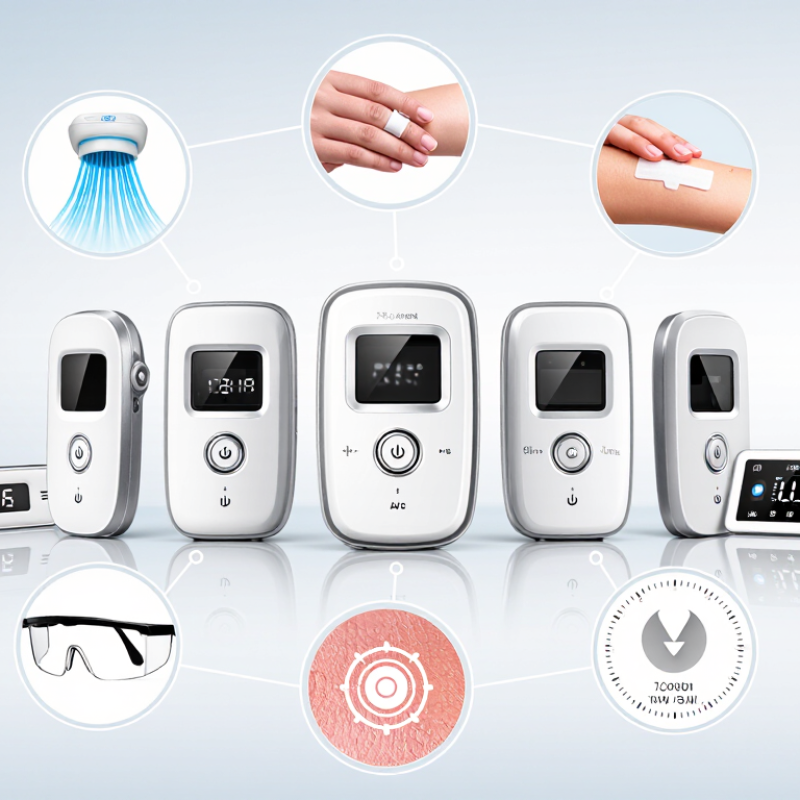
Intense Pulsed Light, or IPL, uses broad-spectrum flashes to target melanin in unwanted hair. The light travels through the skin and heats the follicle, gradually reducing future growth. It is not the same as a laser. IPL spreads energy across several wavelengths.
Sensitive skin may react more quickly to that heat. Users can notice temporary redness, warmth, tightness, or small bumps around the follicles. The feeling is often like a brief rubber-band snap. It should not feel sharply painful. Persistent burning is a warning sign.
Skin tone, hair color, recent tanning, and medication can change the risk. Darker skin may absorb more light, increasing the possibility of burns or uneven pigmentation. Very light, grey, red, or white hair may respond poorly because it contains less target pigment. Results are not guaranteed. They also require repeated sessions and patience.
A cautious approach matters. Test a small area first and wait 24 to 48 hours. Use the lowest effective setting, and treat clean, dry skin without cuts, rashes, or active irritation. Avoid recently tanned areas. Follow the device instructions rather than chasing faster results. Some medicines increase light sensitivity, so professional advice is sensible before treatment. Even careful users can misjudge their skin’s condition. That is why a dermatologist’s assessment remains valuable for persistent sensitivity, pigmentation concerns, or unexplained reactions.
Before choosing an IPL device, identify whether your skin is genuinely sensitive or temporarily irritated. A 2019 review in Contact Dermatitis estimated that sensitive skin affects roughly 60% to 70% of women and 50% to 60% of men. This condition is not always visible. Watch for burning after washing, tightness, frequent redness, itching, or stinging from ordinary moisturiser. Skin that reacts after shaving also deserves caution.
Look closely in natural light. Active eczema, rosacea flares, sunburn, cuts, rashes, or peeling mean IPL should wait. The American Academy of Dermatology recommends discussing light-based treatments with a qualified dermatologist when skin disease or unusual reactions are present. Hair colour and skin tone matter, too. IPL targets pigment, so darker skin may experience more heat-related injury without suitable settings. Device instructions are not medical examinations.
A small patch test can reveal delayed redness, swelling, or discomfort, but it cannot guarantee full-session safety. Follow the product’s waiting period, commonly 24 to 48 hours, and avoid testing over irritated areas. Start with clean, dry skin and record what happens.
That sounds excessive. It is not.
A 2023 review in the Journal of Cosmetic Dermatology noted that adverse reactions often relate to excessive energy, poor cooling, or unsuitable patient selection. My practical concern is simple: if a gentle cleanser stings today, IPL may feel far harsher.
Sensitive skin needs control, not simply stronger flashes. In 2026, the most useful IPL feature is adjustable energy intensity. Lower settings can reduce heat, stinging, and lingering redness. Several treatment levels also allow gradual progress instead of sudden irritation. Comfort comes first.
A reliable skin-tone sensor matters because IPL reacts to pigment in both hair and skin. The device should pause or reduce energy when it detects unsuitable contrast. However, sensors are not magic. They may misread tanned, uneven, or very dry skin. A built-in cooling surface can make each flash feel less sharp, especially around the underarms and lower legs. Look for a broad treatment window, too, but avoid choosing size over precision near the face or bikini line.
In practical use, sensitive skin benefits from clear instructions, gentle pulse modes, and a visible contact indicator. These features help prevent flashes when the device is not fully placed on the skin. Dermatology guidance also supports patch testing on a small area before wider treatment. Wait and observe for 24 hours. Do not treat sunburned, broken, inflamed, or recently irritated skin. I would also question automatic “smart” settings when they offer no manual adjustment. Convenience is useful, but skin feedback remains important. Results can be slower at gentler settings, and that is not a failure. It may be the safer trade-off for maintaining a calm skin barrier.
Feature-priority scores are based on practical skin-safety considerations: controlling light exposure, reducing heat, and helping users select settings appropriate for their skin tone.
Adjustable intensity, skin-tone detection, and consistent skin contact are especially important because IPL safety depends on matching light energy to skin tone and hair color. Cooling can improve comfort, while UV filtering helps limit unwanted ultraviolet exposure. IPL is generally not suitable for very dark skin tones or white, grey, red, or very light-blonde hair; users should follow the device instructions and perform a patch test.
Sensitive skin needs a slower IPL routine, not a stronger setting. Before treatment, read the device instructions and check whether your skin tone is suitable. Test a small area, such as the outer calf, and wait 24 to 48 hours. Watch for persistent redness, swelling, blistering, or unusual darkening. Stop if these appear.
Shave the area first, then wash and dry it completely. Do not use IPL on broken skin, active rashes, irritated acne, tattoos, or dark moles. Avoid tanning for several days before and after treatment. Recent sun exposure can increase the risk of burns and pigmentation changes. Medication matters too. Ask a qualified healthcare professional before treatment if you use photosensitizing medicine or have a skin condition.
Start with the lowest effective intensity. One flash per spot is enough; repeated flashes can overheat sensitive skin. Keep the device away from the eyes, and use only the recommended body areas. Afterward, apply a plain, fragrance-free moisturizer and use broad-spectrum sunscreen outdoors. Avoid hot showers, saunas, exfoliating acids, and tight clothing for the rest of the day.
It may feel warm.
A mild, brief sting can be normal, but pain is not a goal. I once underestimated how quickly redness could build after overlapping flashes. That mistake changed my routine: smaller sections, slower movement, and better notes about each reaction. Results may take several sessions, and sensitive skin may need longer breaks.
| Evaluation area | Recommended feature or practice | Why it matters for sensitive skin | Practical guidance |
|---|---|---|---|
| Light technology | Intense pulsed light (IPL), which uses a broad spectrum of visible light rather than a single laser wavelength | IPL targets melanin in the hair. Skin containing more melanin can absorb more light and may have a higher risk of burns or pigment changes. | Use only on the skin-tone range listed in the device instructions. Do not use on very dark skin unless the manufacturer specifically states that it is suitable. |
| Skin-tone detection | Built-in skin-tone sensor that reads the treatment area before or during a flash | Automatic detection can reduce the chance of using an unsuitable intensity, although it does not remove all risk. | Keep the sensor window clean and ensure full contact with the skin. Follow the device's automatic intensity recommendation rather than manually increasing power. |
| Adjustable intensity | Several energy levels, including a low or gentle setting | Lower intensity may improve comfort for reactive skin, but it can require more treatments and may be less effective. | Start at the lowest effective setting. A warm or snapping sensation can be normal; stop if there is sharp pain, blistering, or intense heat. |
| Cooling function | Cooling contact surface or another manufacturer-approved cooling feature | Cooling can make flashes feel more comfortable, but it does not guarantee protection from irritation or burns. | Do not apply ice directly before treatment. If needed, use a cool, clean compress after treatment for short periods. |
| Patch test | A small test area treated before the first full session | A patch test helps identify excessive redness, swelling, blistering, or delayed pigment changes before treating a larger area. | Test at the intended setting and inspect the area for at least 24 hours, or for the period specified in the instructions, before continuing. |
| Hair and skin preparation | Clean, dry, unbroken skin with visible hair removed from the surface by shaving | Surface hair can absorb light and increase the smell of singed hair or skin discomfort. Waxing and epilating remove the hair root that IPL needs to target. | Avoid IPL over cuts, rashes, active eczema, sunburn, or recently irritated skin. Do not use perfumes, oils, or numbing creams unless specifically approved. |
| Treatment schedule | A consistent schedule based on the device manual, commonly weekly or every two weeks during the initial phase | IPL works best when hair is in a responsive growth phase; not every hair is in that phase at the same time. | Do not treat the same area repeatedly in one session or increase frequency to accelerate results. Maintenance treatments are usually less frequent. |
| Expected results | Gradual reduction in hair regrowth rather than immediate or permanent removal | Results vary with hair color, thickness, skin tone, hormonal factors, treatment consistency, and the body area treated. | Dark brown or black hair generally responds better because it contains more melanin. Blonde, red, gray, and white hair may respond poorly. |
| Areas to avoid | Eyes, eyelids, eyebrows, mucous membranes, genital mucosa, tattoos, and very dark moles | These areas may be more vulnerable to light exposure or can absorb excessive energy. | Cover dark moles and pigmented lesions only if the instructions permit it; otherwise avoid the area and seek professional advice. |
| Sun and tanning exposure | No recent tanning or sunburn, with careful sun protection before and after treatment | Recently tanned skin contains more melanin and may be more likely to react adversely to IPL. | Follow the manual's waiting period after sun exposure or self-tanning products. Use broad-spectrum SPF 30 or higher on exposed treated skin. |
| Medication and health screening | Check contraindications before use, especially photosensitizing medicines and active skin conditions | Some medicines and conditions can increase light sensitivity, irritation, or the risk of pigment changes. | Ask a healthcare professional before use if taking photosensitizing medication, using isotretinoin, or managing a skin disorder. Avoid use during pregnancy unless medically cleared. |
| Aftercare | Gentle cleansing, moisturising, and protection from heat and sunlight | Sensitive skin may become temporarily warm, red, dry, or itchy after treatment. | Avoid hot baths, saunas, intense exercise, harsh exfoliants, and fragranced products for about 24–48 hours or as directed. |
| When to stop | Persistent pain, severe swelling, blistering, scabbing, burns, or unusual lightening or darkening of the skin | These reactions are not signs that the treatment is working better and may indicate an injury or adverse reaction. | Stop treatment, protect the area from sunlight, and seek medical advice if symptoms are severe, spreading, or do not improve. |
Sensitive skin can tolerate IPL, but tolerance depends on skin tone, hair colour, energy level, and current irritation. IPL targets melanin, so darker skin may absorb more light and face higher risks of burns or pigmentation changes. A patch test is essential. Wait 24 to 48 hours before treating a larger area.
The American Academy of Dermatology Association reports that light-based hair reduction usually requires several sessions, often six or more. IPL results are slower than many advertisements suggest. Clinical reviews in Lasers in Medical Science also describe reduced hair growth, but results vary because treatment settings and follow-up periods differ. Fine hair may respond poorly. Grey, red, or very blonde hair can be especially resistant.
Start cautiously. Shave the area, avoid recently tanned skin, and use the lowest comfortable setting. Do not treat eczema, open wounds, or actively inflamed patches. Stop if you notice blistering, lasting pain, or darkening. A dermatologist should review photosensitising medicines and unusual reactions. My practical concern is simple: sensitive skin may need longer intervals, even when the device appears gentle. That can feel disappointing. Consistency matters more than intensity, but home-use evidence remains uneven. Always follow the device’s safety instructions.
IPL uses broad-spectrum flashes to heat pigment in unwanted hair follicles. It is different from laser treatment. Hair growth may gradually decrease.
Sometimes, but tolerance varies with skin tone, hair colour, energy level, and irritation. Sensitive skin may develop temporary redness, warmth, tightness, or small bumps. It may feel warm.
Read the instructions and check whether your skin tone is suitable. Shave the area, then wash and dry it completely. Avoid cuts, rashes, tattoos, dark moles, and recently tanned skin.
Yes. Flash a small area, such as the outer calf, using the lowest effective setting. Wait 24 to 48 hours. Watch for swelling, blistering, lasting redness, or unusual darkening.
Very light, grey, red, and white hair may contain too little target pigment. Darker skin can absorb more light, increasing burn and pigmentation risks. Results are not guaranteed.
Use the lowest comfortable intensity and one flash per spot. Move slowly across small sections. Overlapping flashes may overheat sensitive skin. Pain is not the goal.
Stop if you notice blistering, persistent burning, lasting pain, swelling, or skin darkening. A mild, brief sting can occur. Strong pain deserves attention.
Apply a plain, fragrance-free moisturizer after treatment. Use broad-spectrum sunscreen outdoors. Avoid hot showers, saunas, exfoliating acids, and tight clothing that day.
Several sessions are usually needed, often six or more. Fine hair may respond slowly. Sensitive skin may need longer breaks. Results take patience.
Ask a qualified healthcare professional about photosensitizing medicines, skin conditions, or unexplained reactions. A dermatologist can assess persistent sensitivity or pigmentation concerns. I once underestimated redness after overlapping flashes. Smaller sections and better notes helped, but my earlier routine was not ideal.
IPL devices use controlled pulses of broad-spectrum light to target melanin in hair, gradually reducing visible regrowth over several sessions. For people with sensitive skin, the main concern is whether the light and heat may cause redness, dryness, stinging, or temporary irritation. Before treatment, identify signs of sensitivity such as frequent flushing, eczema-prone areas, active rashes, or reactions to new skincare products. A patch test is essential, and treatment should be postponed when the skin is damaged or inflamed.
So, can IPL be used on sensitive skin? In many cases, yes, when the device and routine are chosen carefully. Important features include adjustable intensity, skin-tone detection, cooling or comfort modes, and clear safety guidance. Begin with the lowest effective setting, shave rather than wax, cleanse and dry the area, and avoid recently tanned skin. Afterward, use gentle moisturizer and sun protection while avoiding heat, fragrance, and harsh exfoliants. Results are usually gradual, with finer and slower-growing hair appearing after consistent use, though individual outcomes vary.
